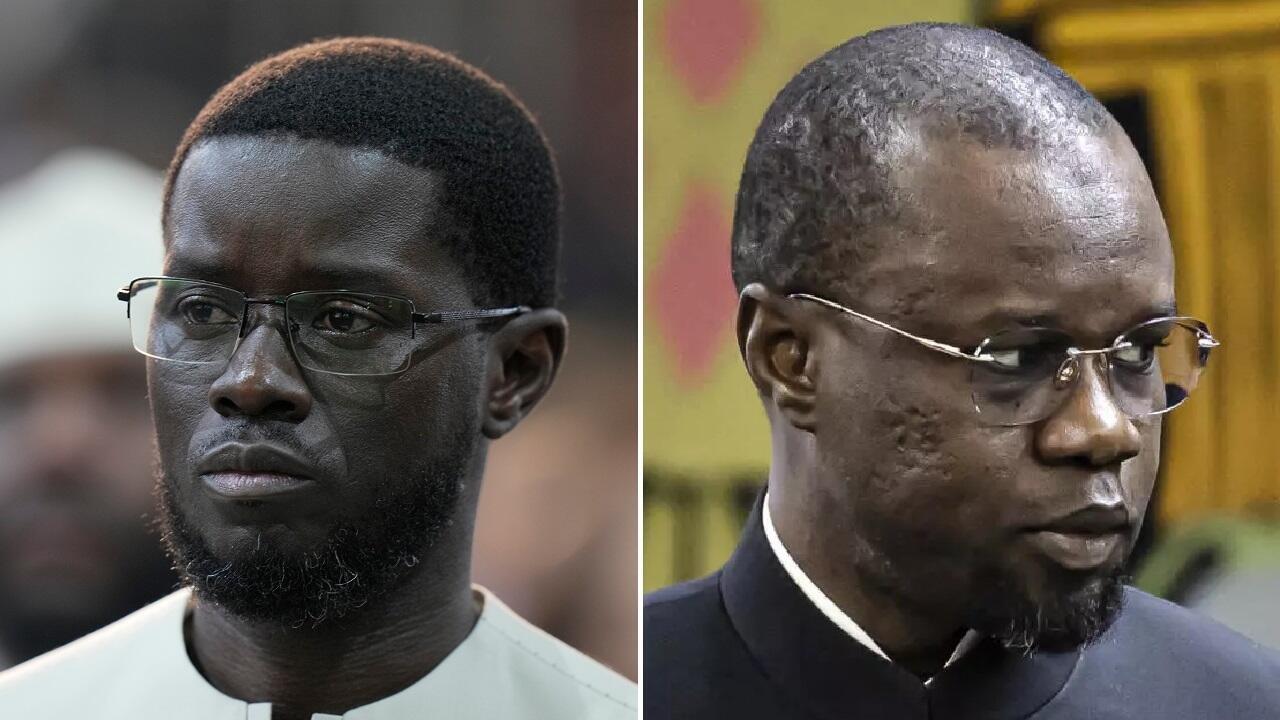
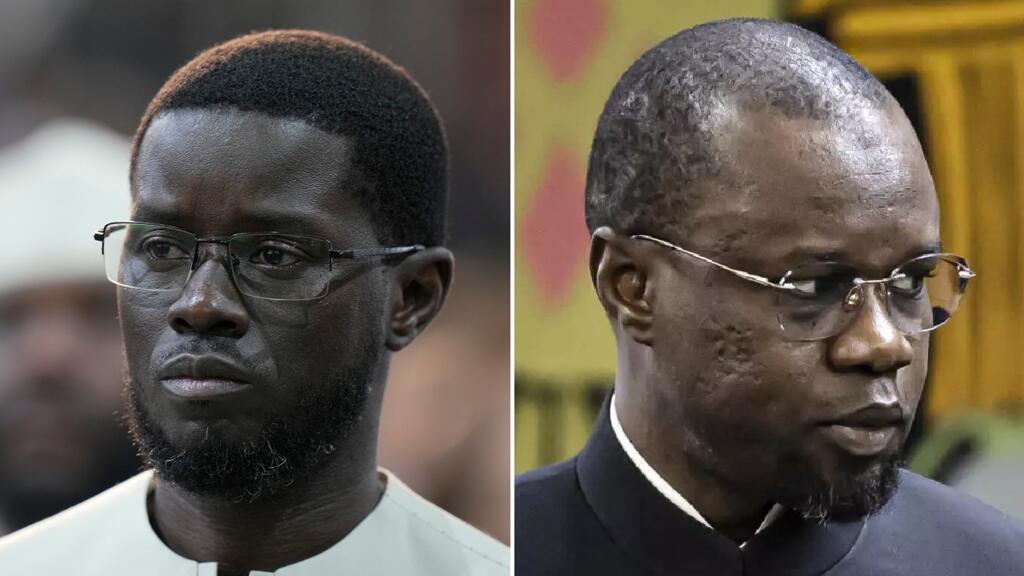
In a dramatic turn of events, Ousmane Sonko, former Prime Minister of Senegal, has been elected as President of the National Assembly, just days after his abrupt removal from office. This pivotal moment follows his reinstatement as a Member of Parliament, marking a significant shift in the country’s political landscape.
Addressing the nation shortly after his election, Sonko emphasized his commitment to constructive dialogue with President Bassirou Diomaye Faye. The move underscores the evolving dynamics between Senegal’s executive and legislative branches, as the new leadership seeks to navigate pressing national challenges.
What Sonko’s election means for Senegal’s political future
Sonko’s rise to the helm of the Assembly comes at a critical juncture for Senegal, a nation grappling with economic reforms, social unrest, and evolving governance structures. His leadership could reshape policy priorities, particularly in areas like youth employment, economic diversification, and institutional transparency.
Key implications for Senegal’s governance
- Legislative-executive balance: Sonko’s election introduces a new power dynamic, potentially altering the balance between the presidency and the Assembly. His background as a former head of government and opposition figure may influence legislative agendas.
- Policy shifts: As a prominent voice in Senegal’s political arena, Sonko’s priorities—such as anti-corruption measures and economic reforms—could gain renewed momentum in parliamentary debates.
- Public sentiment: His political journey, from opposition leader to Assembly President, reflects broader societal shifts in Senegal, where calls for accountability and reform continue to resonate.
Reactions and expectations
Political analysts suggest that Sonko’s election could either foster collaboration or intensify tensions between the executive and legislative branches. His stated openness to dialogue with President Faye hints at a potential period of cautious cooperation, though the road ahead remains complex.
As Senegal’s political scene continues to evolve, Sonko’s leadership will be closely watched for its impact on the nation’s stability and progress. His ability to bridge divides and drive meaningful reforms will determine whether this transition fosters unity or deepens divisions.