Senegal’s leader stands firm against western pressure on LGBTQ+ rights
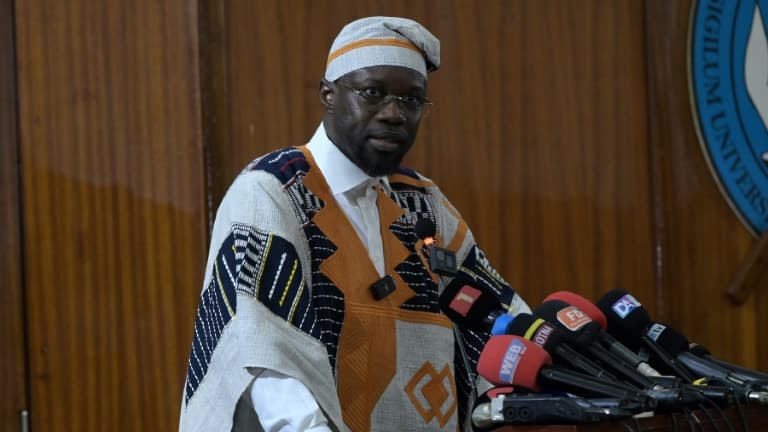
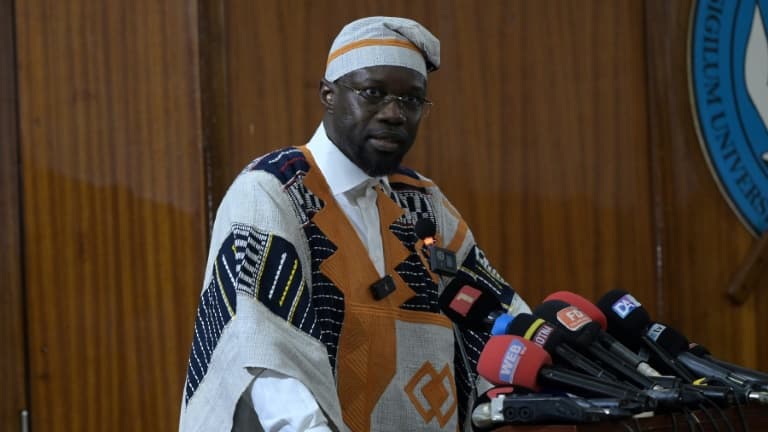
On May 22, 2026, Senegal’s Prime Minister Ousmane Sonko forcefully rejected what he termed “Western tyranny” attempting to “impose homosexuality on the rest of the world”. Addressing lawmakers, he dismissed calls for a moratorium on the enforcement of this newly enacted legislation during a parliamentary session.
Passed in early March and signed into law by President Bassirou Diomaye Faye on March 31, the amendment escalates penalties for consensual same-sex acts from the previous maximum of five years to a range of five to ten years imprisonment. The move follows a surge in anti-LGBTQ+ sentiment and multiple arrests linked to alleged homosexuality in the predominantly Muslim nation.
Rejecting external interference
In his remarks, Sonko argued that a small group of Western nations, despite internal divisions on the issue, is using its global influence to “impose their will” through media dominance. He questioned the moral authority behind such pressure, stating, “We are eight billion people on Earth. Why should a handful of Western nations dictate norms to the rest of humanity?”
He specifically criticized reactions from abroad, particularly in France, where he claimed Senegal was being unfairly scrutinized. “If they choose to embrace such practices, that is their affair. But we will not accept lessons from anyone,” he declared, reaffirming national sovereignty over social policy.
Sonko warned that if further legal reinforcement is needed to curb same-sex relations, the government would not hesitate to act. He urged the judiciary to apply the law “fully, impartially, and rigorously”, emphasizing that the primary goal of the legislation is to “halt the spread of homosexuality” in Senegal.
No compromise on enforcement
The Prime Minister also firmly dismissed appeals for a temporary suspension of the law, as proposed by a coalition of over thirty personalities of African descent in a mid-May op-ed. The group cited concerns over rising “fear, hatred, and violence” supposedly fueled by the new legislation.
“There will be no moratorium. Some of our elites suffer from inferiority complexes,”
The stance aligns with long-standing political promises by the ruling coalition, reflecting deep-rooted cultural and religious values in Senegal, where same-sex relations are widely viewed as socially unacceptable.