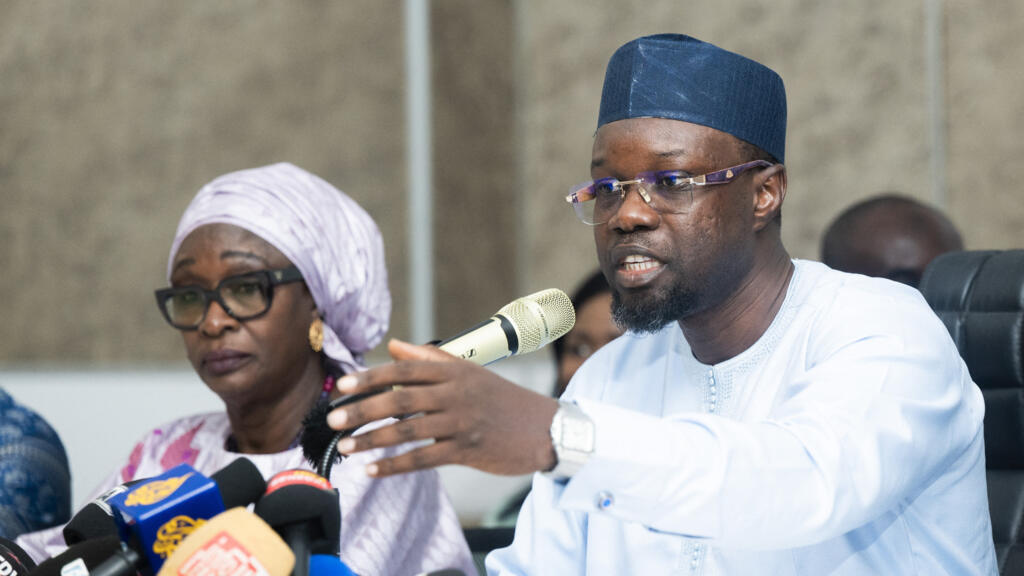
In Senegal, former Prime Minister Ousmane Sonko has publicly explained the decision of his party, Pastef, to decline participation in the newly formed government announced on June 2 by President Bassirou Diomaye Faye’s administration.
Speaking to the media in Dakar, Sonko outlined the core disagreements that made collaboration impossible. These centered on fundamental policy priorities and the allocation of key ministerial positions. Despite extensive discussions, he said, the government’s responses failed to provide the necessary assurances on critical issues such as debt management, judicial reform, and transparency in public finances.
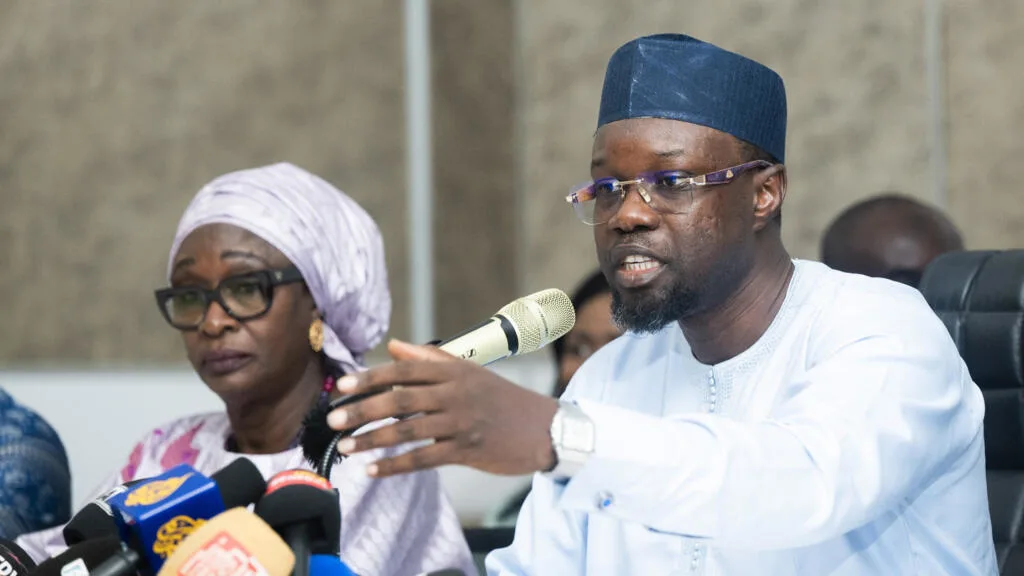
Sonko emphasized that the president and his finance minister had not committed to restructuring the country’s debt or adopting market-based pricing for essential goods, despite high inflation pressures. He dismissed assurances about Senegal’s judicial system, calling the responses “half-hearted” and failing to meet the party’s expectations.
Ministerial power-sharing demands rejected
Sonko also highlighted a key condition his party had set: a demand for at least half of the ministerial positions. He stated that this demand was non-negotiable. The new cabinet ultimately included five ministers from the Pastef ranks, though the party does not recognize them as legitimate representatives, further straining the relationship.
Despite these tensions, Sonko clarified that his party would not initiate a vote of no confidence unless the government took the first step to undermine them politically. The refusal to participate reflects deeper ideological and strategic differences that may shape Senegal’s political landscape in the months ahead.