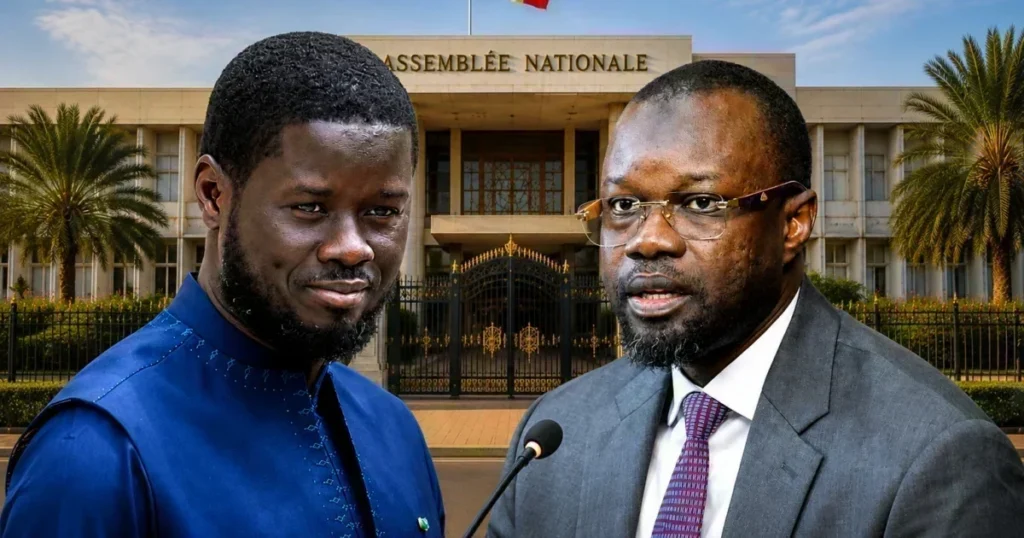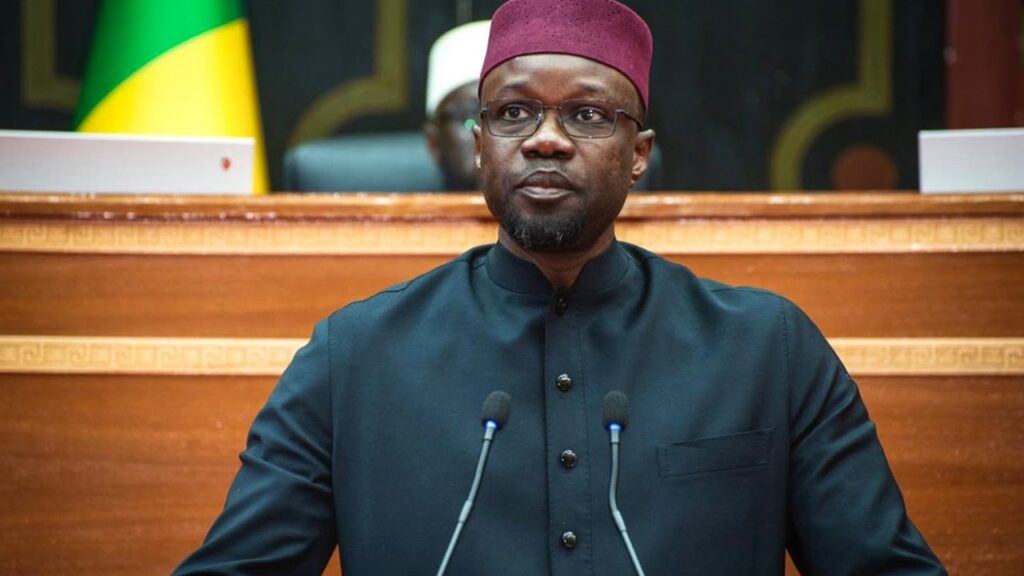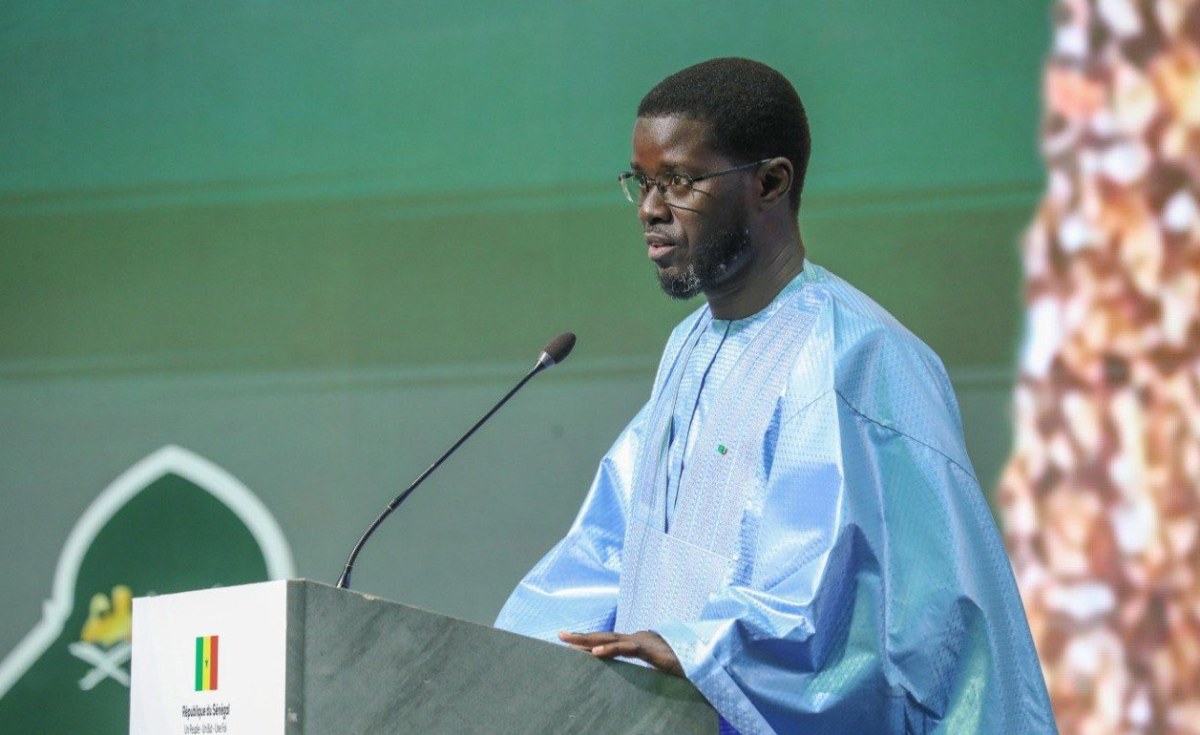
The rift between Senegalese President Diomaye Faye and his former Prime Minister, Ousmane Sonko, appears irreversible. The President’s announcement of a new political party in the coming days underscores this irreconcilable divide. Once united under the PASTEF banner, the two leaders now find themselves at loggerheads, with little hope of reconciliation.
Will Diomaye Faye achieve his political ambitions? The odds seem stacked against him. The priorities of the Senegalese people, already sidelined, risk being pushed even further down the agenda.
Strategic alliances and state leverage
Faye holds significant influence, backed by a coalition of over 300 mayors across Senegal’s nearly 600 municipalities. Additionally, his control over state resources provides a powerful tool to expand his political base. Yet, the question remains: Can he rely solely on these assets to secure his future? The recent government reshuffle offered a glimpse of his diminished influence within PASTEF, casting doubt on his ability to consolidate power.
Political maneuvering and party dynamics
Faye’s move to launch a new party is a calculated political gambit, mirroring Sonko’s own earlier strategy. However, this decision risks exacerbating divisions within PASTEF. The rivalry between the two leaders not only strains their relationship but also fractures the party’s base. Some observers warn that PASTEF may be shooting itself in the foot, weakening its own position in the process.
With both men prioritizing personal ambitions over national progress, the opposition stands to benefit. Unless they mend their differences, an unexpected third candidate could emerge, capitalizing on public disillusionment to seize power in the next election. Meanwhile, former President Macky Sall watches from the sidelines, having already clashed with both Faye and Sonko during his tenure.
Consequences for Senegal’s stability
Without urgent intervention, the feud could plunge Senegal into deeper political instability. The ongoing crisis already resembles a de facto cohabitation, with Faye and Sonko locked in a struggle for dominance. The potential fallout is severe: legislative dissolution, costly snap elections, and a looming economic and social crisis. As Senegalese leaders squabble, the nation’s democratic reputation—once hailed as a model on the continent—hangs in the balance.
The path forward is clear: If Faye and Sonko wish to salvage their legacies, they must set aside their differences before it’s too late. Otherwise, history may remember them not as reformers, but as architects of Senegal’s decline.