Senegal’s constitutional reform bill passes amidst political tensions
29 juin 2026The Pastef parliamentary majority successfully passed the constitutional revision law, securing 129 votes in favor of the proposed changes. This significant development in Senegalese politics saw the opposition boycott the parliamentary session, a decision made notably after the expulsion of one of their members, Abdou Mbow, who had refused to vacate the podium.
Representing the government, Justice Minister Moussa Sarr presented and defended four key amendments. However, these governmental proposals were unanimously rejected by the majority of deputies from Pastef, underscoring the political divide within the National Assembly.
Opposition boycott highlights deep divisions
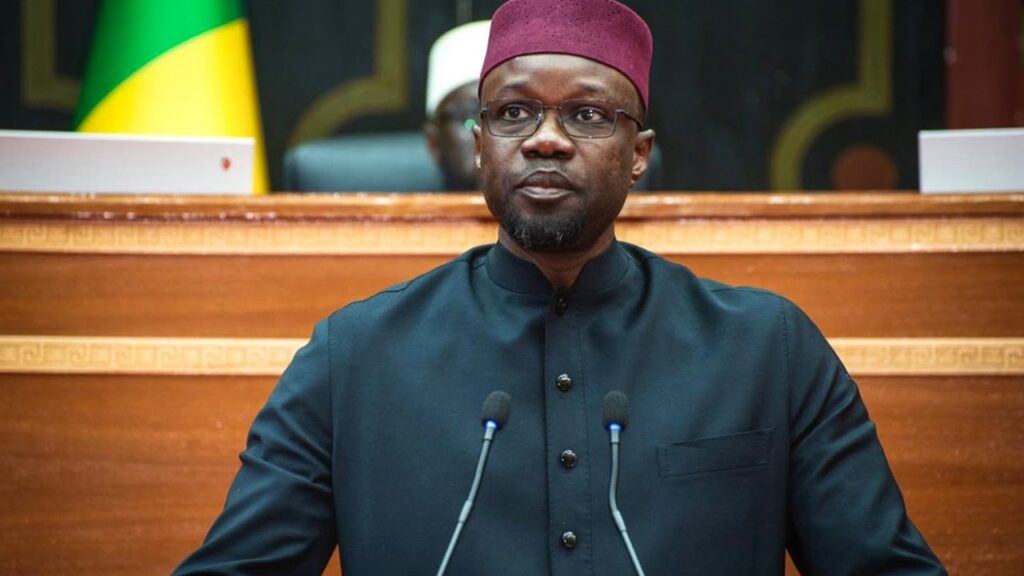
Opposition parliamentarians leveled accusations against the President of the National Assembly, Ousmane Sonko, claiming he violated internal regulations, which prompted their decision to boycott the session. They vehemently described the constitutional revision put forth by Pastef as a “betrayal of trust.”
Aïssata Tall Sall, who leads the opposition’s parliamentary group, voiced her strong disapproval. “Our objective has been achieved,” she declared. “We aimed to demonstrate to the world that what is unfolding in the National Assembly is nothing short of dictatorship and usurpation. Gendarmes were mobilized to forcibly remove a deputy who was simply exercising his right to speak. This is precisely what we wanted to expose to the global community, and we succeeded.”
Government and pastef at odds over constitutional balance
Justice Minister Moussa Sarr expressed deep concern as all four of his proposed amendments were rejected by Pastef deputies. His amendments aimed to address what he perceived as a significant disruption of the balance of power between the President and the National Assembly, tipping it heavily in favor of the legislative body.
“This revision delves into critical constitutional matters and fundamentally alters the traditional checks and balances of our system,” Sarr explained. “It includes the rationalization of no-confidence motions, limitations on the President’s right to dissolve the assembly, new procedures for appointing members to the Constitutional Court, and its alignment with our fundamental statutes and international commitments. Specifically, allowing ten no-confidence motions during a single legislative term, while restricting the President to only one dissolution during their entire mandate, inevitably fractures the established institutional equilibrium.”
Internal friction: diomaye faye and sonko on key commitments
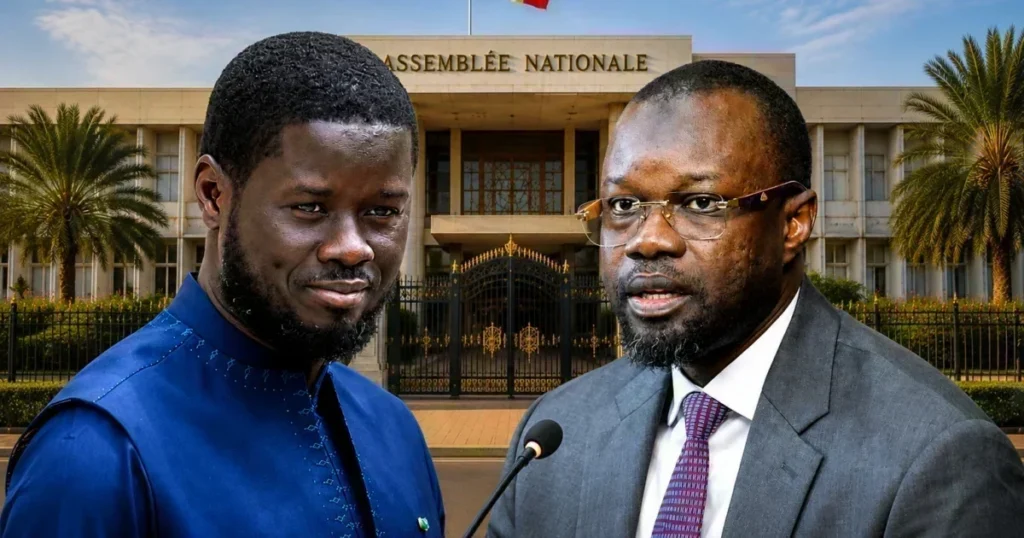
Points of discord have also emerged between Pastef and President Bassirou Diomaye Faye, particularly concerning the obligation for asset declarations at both the beginning and end of a mandate. According to Ousmane Sonko, the President of the National Assembly, such a divergence should not exist, as these were previously agreed-upon commitments.
“The President of the Republic has selectively adopted provisions from the text, retaining only what suits him,” Sonko asserted. “The Constitution does not belong solely to Bassirou Diomaye Faye. To now state, ‘no, I will no longer declare my assets at the end of my term,’ or ‘no, I wish to remain party president,’ despite these being commitments made during a political dialogue and championed by the party… For over a decade, we have collectively fought for these principles. By what right can a single individual decide to cherry-pick and keep only what benefits them?”
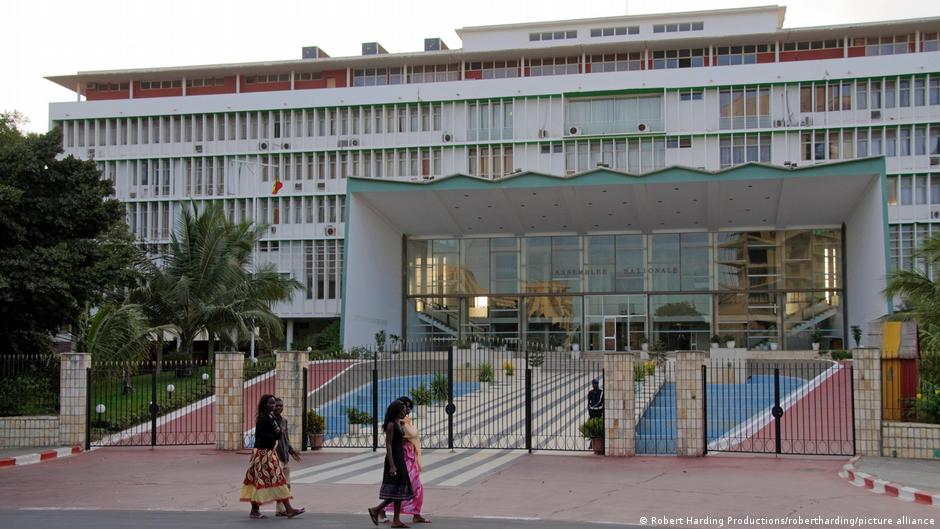
Ousmane Sonko has formally requested President Bassirou Diomaye Faye to promulgate the new law. Conversely, the head of state prefers to submit the text to a national referendum. This significant constitutional reform, a key piece of West Africa news, also triggered protests by opposition groups and civil society organizations on Monday morning, taking place near the National Assembly building in Dakar, highlighting the ongoing political dynamics in Senegal.