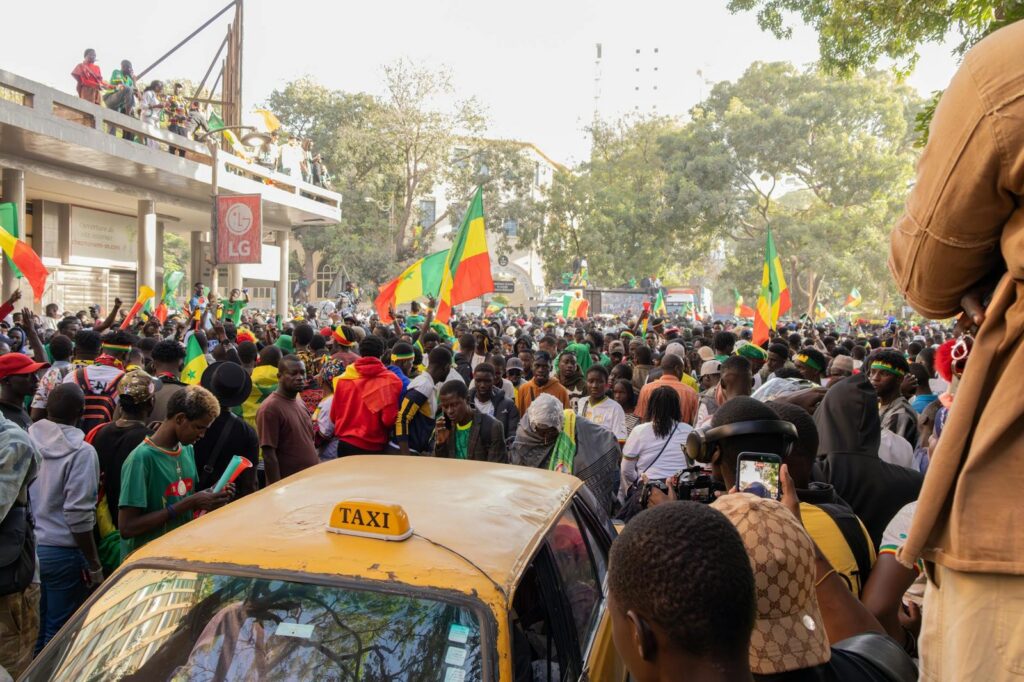
The recent enactment of Senegal’s revised electoral code has ignited a heated political debate, drawing sharp criticism from opposition voices. Tafsir Thioye, an independent deputy and outspoken critic of the government, held a press conference to dissect the newly adopted legislation just days after its promulgation. His intervention comes at a pivotal moment, as the nation braces for potential local and legislative elections in the coming months, raising questions about the integrity of future polls.
Opposition voices challenge electoral reform amid institutional tensions
The parliamentary majority’s revisions to Senegal’s electoral framework have touched on several contentious areas, including electoral dispute mechanisms and eligibility criteria. Critics, spearheaded by figures like Thioye, argue that the changes disproportionately favor the ruling coalition, marking a departure from the consensus-driven political culture that has long characterized Dakar’s governance. The enactment of the law has been interpreted by some as a deliberate shift away from inclusive policymaking, fueling concerns among political observers.
Thioye, who operates outside the two dominant parliamentary blocs, occupies a unique position in the political landscape. Neither fully aligned with traditional opposition parties nor aligned with the presidential majority, he presents himself as an independent voice. His press briefing was strategically timed to leverage this position, offering a detailed critique of the legal and political implications of the electoral reform.
Independent deputies gain influence in Senegal’s evolving parliament
The role of non-aligned deputies in Senegal’s fourteenth legislature reflects a subtle yet significant shift in the country’s parliamentary dynamics. These lawmakers, often sidelined in major coalitions, play a crucial role in shaping debates on high-stakes issues. When the subject involves electoral rules and democratic transparency, their influence becomes even more critical, as every vote and argument can sway the outcome of future contests.
By addressing the media, Thioye aims to elevate the discussion beyond the formal confines of the National Assembly. This tactic is not uncommon in Senegal, where private radio stations, digital platforms, and print media serve as key amplifiers for political dissent. The success of his intervention will depend on whether it can galvanize broader support among legislators or prompt legal challenges before the Constitutional Council.
Senegal’s democratic credibility under scrutiny
Beyond the immediate controversy surrounding Thioye’s statements, the electoral reform has placed Senegal’s institutional stability under a microscope. Once hailed as a democratic model in West Africa, the country now faces scrutiny over its ability to navigate political disagreements without fracturing its democratic norms. The upcoming electoral calendar adds urgency to these concerns, as the world watches to see whether Dakar can uphold its reputation for stability and transparency.
The international community, including regional bodies like the Economic Community of West African States (ECOWAS) and multilateral lenders, is closely monitoring these developments. Prolonged uncertainty over Senegal’s institutional trajectory could impact its risk profile, particularly as the government seeks to position itself as a regional hub. Sectors such as hydrocarbons, telecommunications, and infrastructure rely on investor confidence, which is now closely tied to the political climate.
The timing of Thioye’s intervention is critical. It may serve as the catalyst for a more organized opposition movement against the reform—or fade into obscurity if it fails to gain traction. The coming weeks will reveal whether the parliamentary dissent translates into street protests, legal challenges, or electoral consequences.