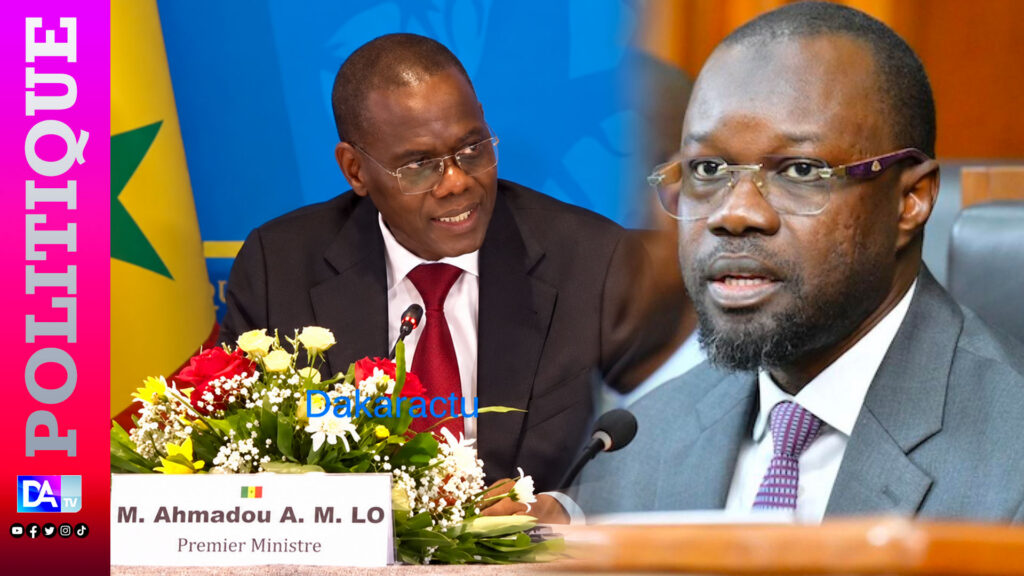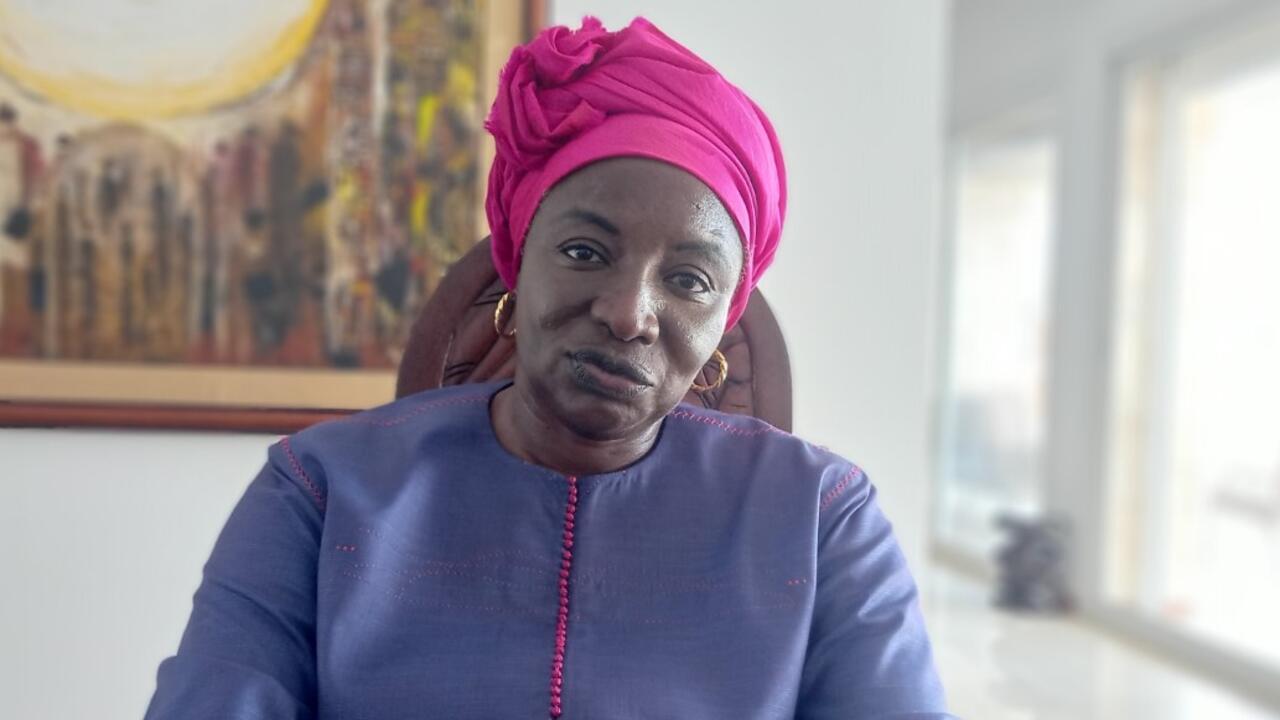
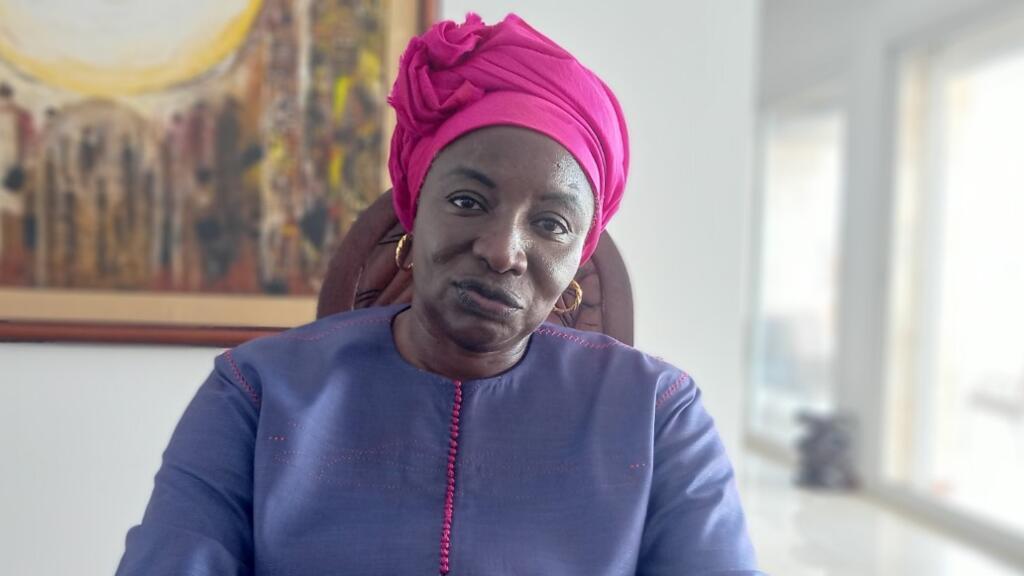
The freshly appointed cabinet of Senegal, led by Prime Minister Ahmadou Al Aminou Mohamed Lô, has ignited controversy. Comprising thirty ministers, the team leans heavily on technocrats and allies of President Bassirou Diomaye Faye. Notably absent are key figures from the Pastef party, despite its leader Ousmane Sonko being a member. This exclusion underscores the widening rift between President Faye and Sonko within the coalition Diomaye Président. Aminata Touré, the coalition’s general supervisor and Grand Invité Afrique, addressed the government’s formation in an exclusive interview with Dakar-based correspondent Léa-Lisa Westerhoff.
questions about legitimacy and governance
Interviewer: With thirty ministers—some from Pastef, yet none of its heavyweights—doesn’t this government raise concerns about its democratic or electoral legitimacy?
Aminata Touré: Democratic principles must take precedence. President Bassirou Diomaye Faye was democratically elected with 54% of the Senegalese vote and, as such, has the authority to appoint the Prime Minister and endorse the proposed cabinet. This government represents a choice for efficiency, as the Senegalese people’s primary concern is for leaders to focus on addressing pressing issues and getting to work.
Interviewer: Pastef holds a majority in the National Assembly, led by Ousmane Sonko. Given the context of cohabitation, could this make governance more challenging for the executive branch?
Aminata Touré: First, it’s important to note that President Bassirou Diomaye Faye is a member of Pastef, as are several ministers in this government. This is an internal party matter. If all parties respect their roles and prioritize Senegal’s interests, there should be no issues. My hope is that no one will misuse institutions for personal gain. We cannot afford endless domestic disputes—this is not an option. Each institution—National Assembly, executive, judiciary, and even the Constitutional Council—must fulfill its role. The Senegalese people expect this, and they will judge based on results.
reddition of accounts and economic policy
Interviewer: There are disagreements between Ousmane Sonko and Bassirou Diomaye Faye, particularly regarding accountability. Some within Pastef express concerns about a lack of firmness on this issue. Does this government signal the end of the political moralization promised by Pastef?
Aminata Touré: Why would it be the end? Perhaps it marks the beginning of accountability aligned with judicial independence. Accountability is not the same as political vendetta. As a former Minister of Justice, I understand this distinction. You may dislike an opponent, but that alone is not grounds for a conviction. President Bassirou Diomaye Faye remains steadfast in his commitment to accountability, though not to settling scores.
Interviewer: Another point of contention is debt management. Ousmane Sonko has consistently opposed restructuring with the International Monetary Fund. Will this government adopt a different approach?
Aminata Touré: This is not an ideological question but a practical one. When you owe money to creditors and struggle to repay, you must address the issue. Restructuring—better described as reprofiling—requires discussions with partners. However, partners must understand that we cannot repeat the mistakes of the 1980s, when structural adjustments led to cuts in social programs, layoffs, and increased poverty. It took at least 20 years to recover from those measures. We are not discussing that today. Instead, we must work toward a sustainable debt strategy that benefits both the country and its people.
future of the coalition and 2029 elections
Interviewer: Could Pastef’s refusal to join this government be seen as an attempt to undermine President Bassirou Diomaye Faye’s administration in favor of positioning Ousmane Sonko for the 2029 presidential race?
Aminata Touré: Everyone has the right to aspire to the presidency in 2029, just as President Bassirou Diomaye Faye has the right to seek re-election. That is not the issue. The central question is whether Senegalese voters wish to engage in a three-year electoral campaign. That would be a betrayal of their aspirations. What Senegalese people want now is decisive action to address the many challenges they face. That is the objective of the new Prime Minister: to act, to transform. The electoral competition will come in due course. Sabotaging the government would mean sabotaging the Senegalese people themselves. As I’ve said before, democracy must be allowed to function. We don’t have to agree on everything, but we must prioritize the interests of the country.