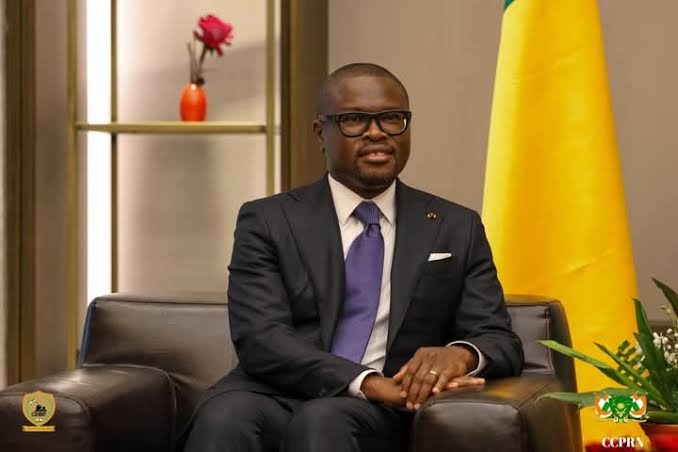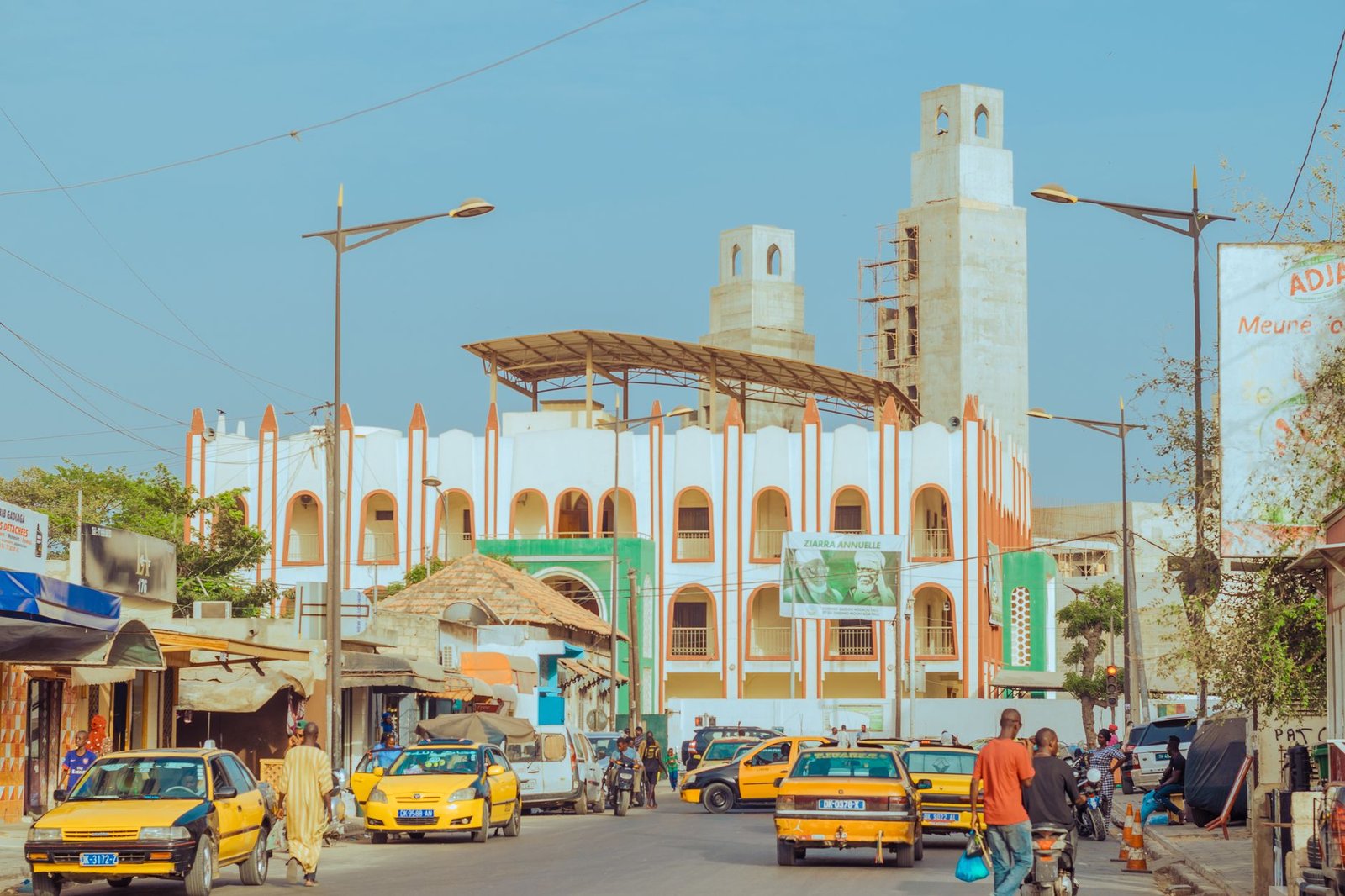
The Senegalese government has entered a new chapter as outgoing Prime Minister Ousmane Sonko formally handed over the reins to Ahmadou Aminou Lo during a carefully staged handover ceremony in Dakar. The event drew significant attention from political leaders and business circles, underscoring the administration’s commitment to institutional stability as outlined by President Bassirou Diomaye Faye’s governance vision.
Smooth transition prioritizes ongoing reforms
The transfer of authority followed a meticulously planned protocol, with both leaders emphasizing the importance of maintaining momentum on key initiatives launched since the Faye-Sonko administration assumed office in March 2024. For the incoming Prime Minister, assuming leadership of a complex government apparatus means navigating critical decisions in budgetary allocations, social welfare programs, and economic policies that define the executive’s credibility.
Ousmane Sonko, a central figure in the Pastef party, departs the Prime Ministry without stepping away from the political arena. The handover served as a platform to reinforce the unity of the presidential team and dispel rumors of internal discord at the highest levels of government. The measured tone of the proceedings contrasted sharply with the more turbulent periods in Senegal’s recent political history.
Ahmadou Aminou Lo steps into a high-stakes role
The new head of government inherits a demanding agenda: restructuring public administration, advancing the Senegal 2050 development blueprint, revisiting mining and petroleum contracts, and engaging with international financial partners. His reputation as a seasoned technocrat, shaped by decades of experience in economic and institutional governance, is seen as a strategic asset for reassuring foreign investors and creditors.
The administration’s guiding principles emphasize economic sovereignty, local processing of natural resources, and stricter fiscal discipline. Balancing the urgent social demands of a youthful and aspirational population with the need for budgetary restraint—particularly under the watchful eye of international lenders like the IMF—will test the new team’s resolve. How the government reconciles these priorities in its early decisions will be closely monitored.
Behind the scenes: a strategic shift in power
While the handover presented a unified front, it also signaled a subtle realignment of political forces. By stepping back from day-to-day governance, Ousmane Sonko appears to be positioning himself to strengthen the Pastef party’s organizational base and prepare for future electoral challenges. Analysts interpret this move as an effort to clearly delineate between state leadership and party activism, avoiding any overlap that could blur accountability.
This reorganization coincides with the administration’s push to make its mark on public policy. Long-promised initiatives in digital sovereignty, domestic financing mechanisms, and tax reform now await concrete implementation. The selection of Ahmadou Aminou Lo—framed as a choice rooted in competence and method—will soon be measured by tangible outcomes, particularly in energy and infrastructure sectors.
Diplomatically, the transition at the Prime Ministry is unlikely to alter Senegal’s external relations strategy. Dakar continues to pursue a balanced foreign policy, deepening historical alliances while exploring new partnerships within the BRICS bloc and Gulf states. Observers present at the ceremony noted the orderly nature of the transition as a positive sign amid the regional instability plaguing West Africa.
The coming weeks will reveal whether the new Prime Minister can assert his leadership style without disrupting the delicate equilibrium of power. With a prominent political figure now operating outside the Prime Ministry and a technocrat at its helm, the test will lie in the first cabinet meetings and budget announcements. The handover ceremony, though symbolic, set the stage for what many hope will be a period of steady progress.