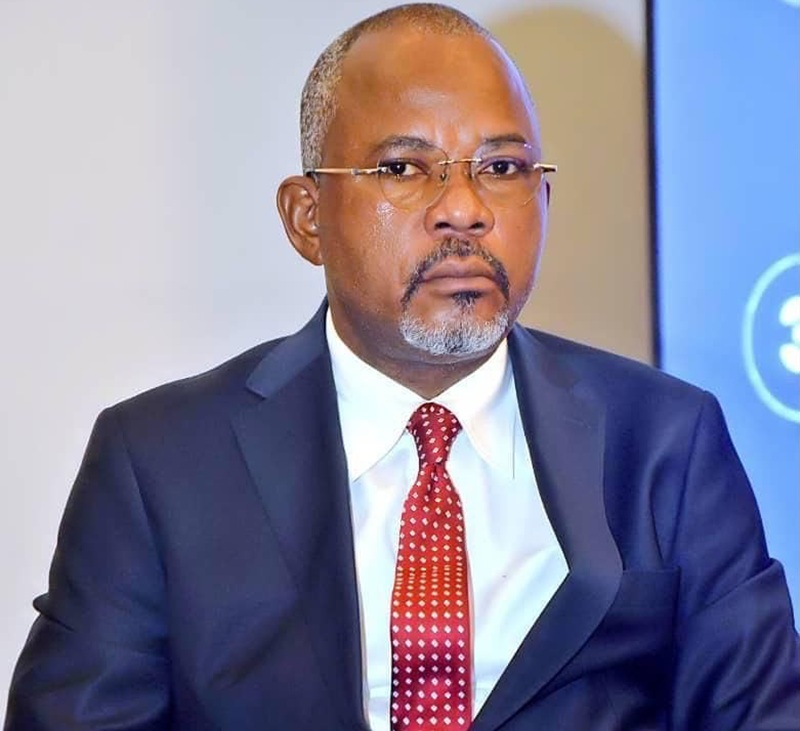
The “ville morte” or “dead city” protest held this Wednesday, June 3, in Kinshasa did not result in the total paralysis some expected. Throughout the provinces and within the heart of the RDC, the opposition struggled to fully galvanize the Congolese population behind its latest initiative. Markets eventually opened their doors, taxis resumed their routes, and the machinery of the state continued to function.

However, the Tshisekedi administration should not mistake this partial activity for indifference. The hesitation observed in the streets, the half-closed storefronts, and the hushed conversations represent a powerful, unspoken dialogue. This silent message from the Congolese people has historically been the precursor to significant shifts in the nation’s trajectory.
We saw this same sentiment when the President presented gifts to the Léopards following their participation in the World Cup. On that day, a singular cry echoed through Kinshasa: “Where is our share?” This was not a rejection of sports, but a manifestation of the exhaustion felt by a population that, despite its affection for its leader, is struggling with the reality that a hungry stomach has no ears. There is a growing fatigue with televised promises while the youth remain trapped in unemployment.
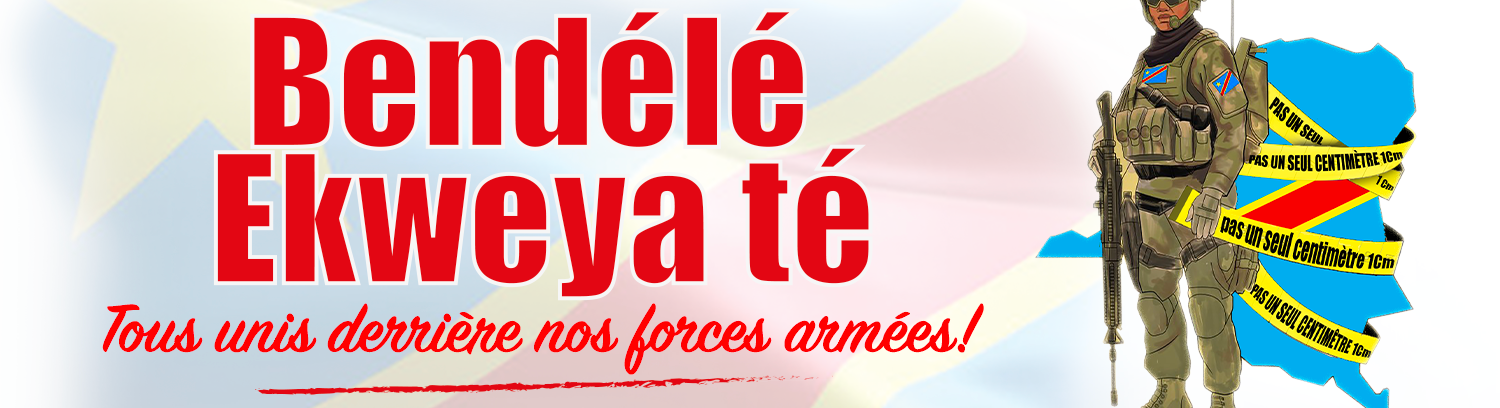
The promise of six million jobs once sparked hope in every corner of the capital, from Matete to Mont-Ngafula, and from Bandal to Masina. Now, seven years later, those same young people are watching opportunities pass them by. They are not looking for charity; they are demanding the fulfillment of the commitments made to them.
History reminds us that a government maintains its standing only when it addresses the tangible needs of its citizens. While Lumumba remained steadfast in his devotion to the people, the era of purchased silence—seen during the Mobutu years—is over. Today’s residents of Kinshasa are cautious; they no longer follow orders blindly. Their current hesitation serves as a political warning and a call for social awareness.
The authorities must also recognize why the opposition did not fully succeed. It was not due to a lack of public grievance, but rather a lack of credibility. The people detected the shadows of Joseph Kabila and, by extension, Paul Kagame, lurking behind the scenes. This perceived alliance is one the Congolese people fiercely reject. Hostile to any foreign interference, the citizens choose their own battles and refuse to let their anger be instrumentalized by outside interests.
The core of the message is clear: the people do not desire chaos; they desire effective governance. They are calling for immediate improvements in youth employment, social justice, and state credibility to bridge the gap of inequality. Every failure in governance provides the opposition with ammunition for the next opportunity. The government must stop providing those arguments.
As discussions regarding constitutional reform emerge, the public is waiting for a decisive signal. It is time for the President to appoint a new cabinet—not a traditional administration of routine management, but a “combat government.” This team must fight for constitutional integrity and, more importantly, for the tangible rewards the people deserve. Those who have been trusted by the Head of State since 2018 must not fail the population. The Congo is the true master of its destiny, and when it speaks, the halls of power must listen.