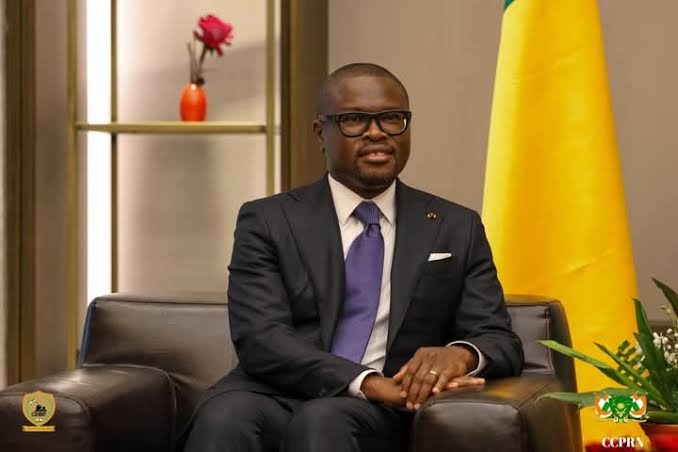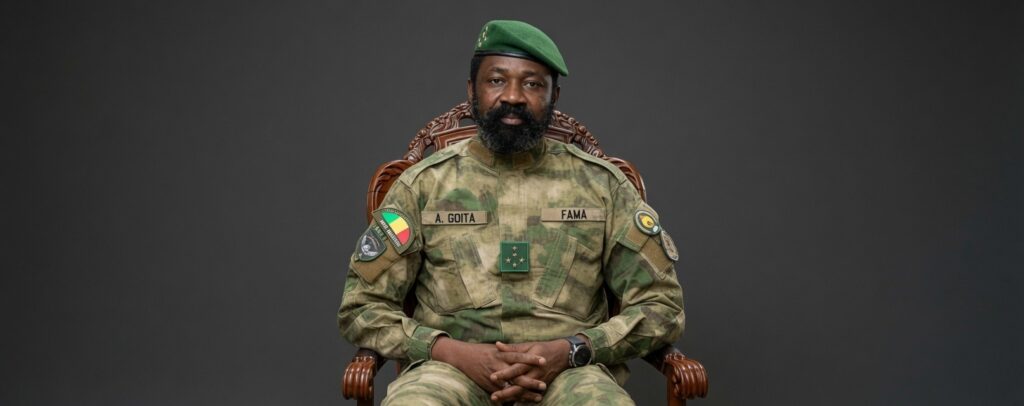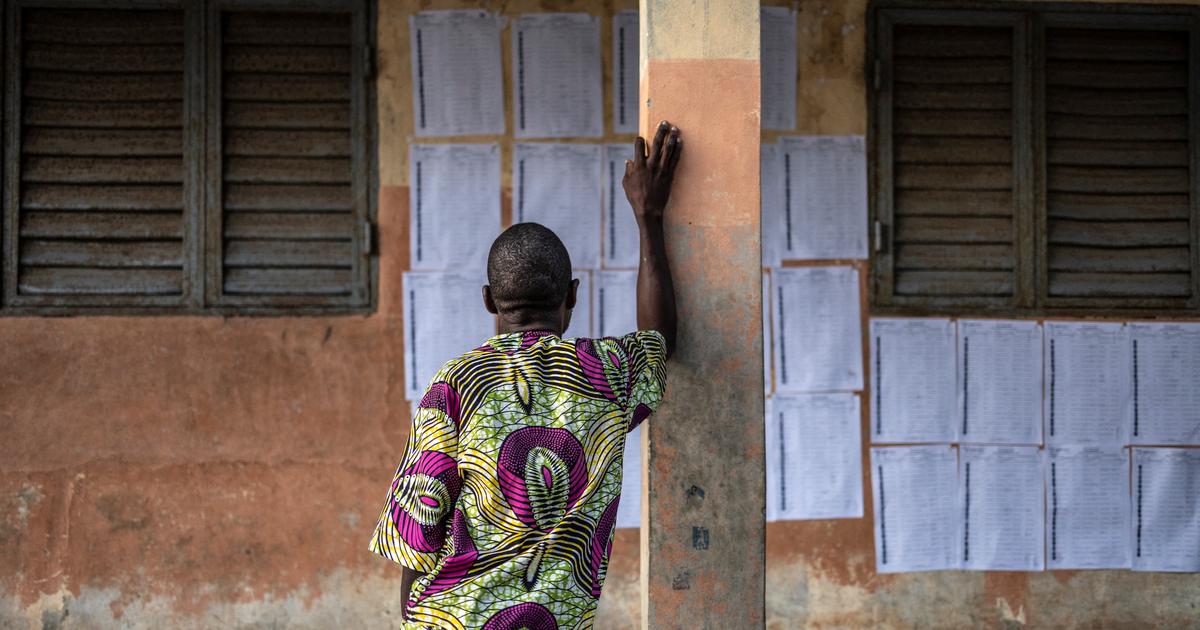
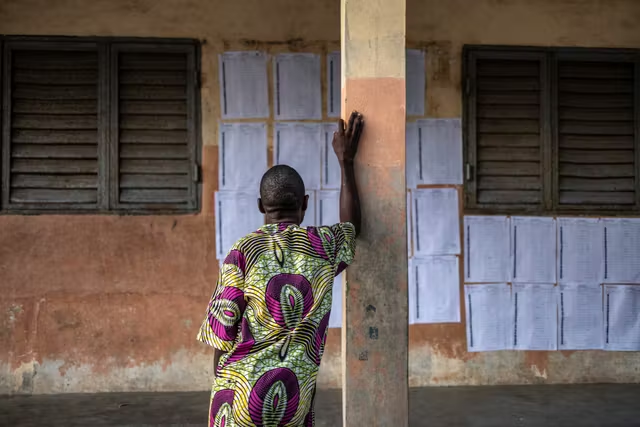
Presidential elections across Africa in 2025 unfolded with a striking pattern: opposition candidates were systematically excluded before campaigns even began. From Djibouti’s April 10 vote—where outgoing President Ismaïl Omar Guelleh secured a sixth term with 97.8% of the vote—to Benin’s April 12 election, where Romuald Wadagni claimed victory with 94% of ballots, the outcomes reflected more than just voter preference. In both cases, the absence of viable competition painted a picture of elections where results were predetermined long before polling stations opened.
In Djibouti, prominent opposition figure Alexis Mohamed withdrew from the race, citing insurmountable obstacles. While concerns for personal safety played a role, the real barrier proved far more financial: prohibitively high candidacy fees rendered participation virtually impossible for all but the most well-funded candidates. Analysts described the process as a “purely ceremonial exercise,” where the electoral theater masked a deeper reality—one where money, not ballots, dictated who could challenge incumbents.
The price of political access
Candidates across the continent face escalating costs to even register their campaigns. Nomination fees, once a routine administrative step, have ballooned into financial hurdles that effectively bar opposition voices. These fees often exceed millions of local currency units, placing them out of reach for most opposition parties and independent hopefuls. The result is a political landscape where incumbents enjoy an unassailable advantage, not through democratic competition, but through economic exclusion.
This pattern isn’t confined to Djibouti or Benin. Similar dynamics have emerged in recent elections across West Africa, where rising campaign costs have systematically sidelined opposition figures. From Senegal to Niger, aspiring leaders find themselves priced out of the race before the first rally even takes place. The trend raises critical questions about the integrity of electoral processes when financial barriers, rather than policy debates or voter appeal, determine who can participate.
Who pays the price?
The consequences extend beyond individual candidacies. When opposition candidates are priced out, voters lose meaningful choices. Elections that should reflect the will of the people instead become rubber-stamp events, reinforcing the dominance of ruling parties. This erosion of competitive democracy threatens not only political pluralism but also public trust in electoral institutions.
As these costs continue to climb, the message to opposition figures is clear: participation comes at a premium few can afford. For the citizens of these nations, the question remains: what happens when the right to run for office is reserved only for those with deep pockets?