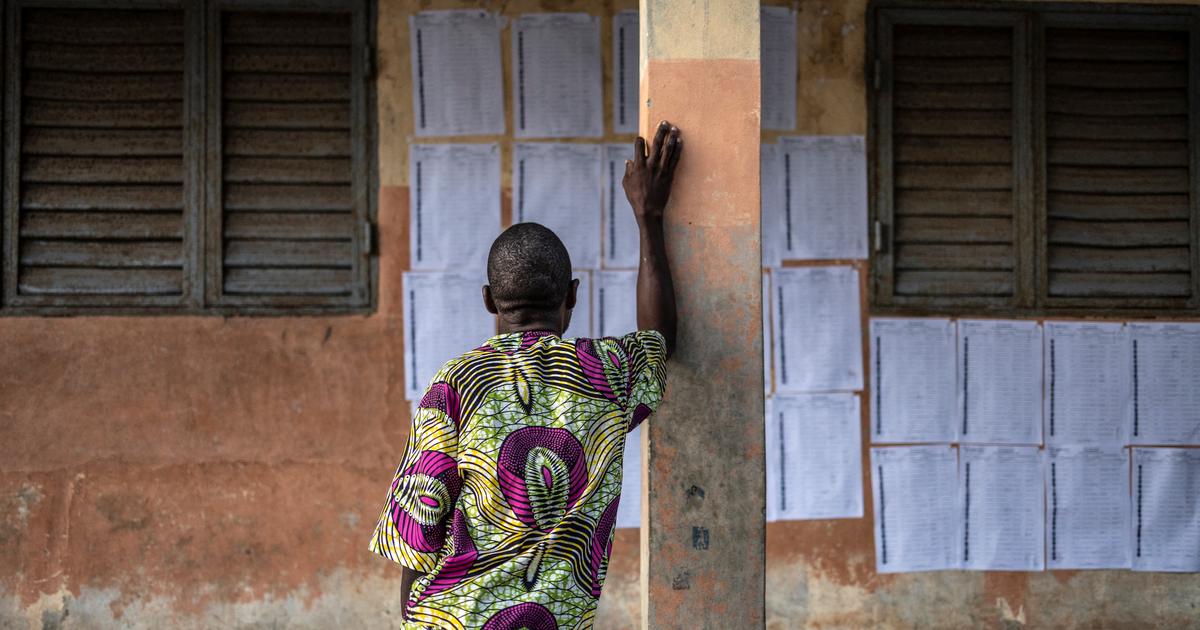
Voter rolls read like empty promises when ambitious candidates face financial walls before the first ballot is cast. Across Africa’s electoral landscape in 2025, presidential races were routinely decided long before campaign posters ever went up. Two recent contests—Djibouti on April 10 and Benin on April 12—epitomize this trend. In Djibouti, incumbent President Ismaïl Omar Guelleh secured a sixth term with 97.8% of the vote, while in Benin, Romuald Wadagni—handpicked successor to Patrice Talon—claimed 94% of ballots. Such lopsided outcomes reveal elections stripped of genuine competition.
Ballot access priced out of reach
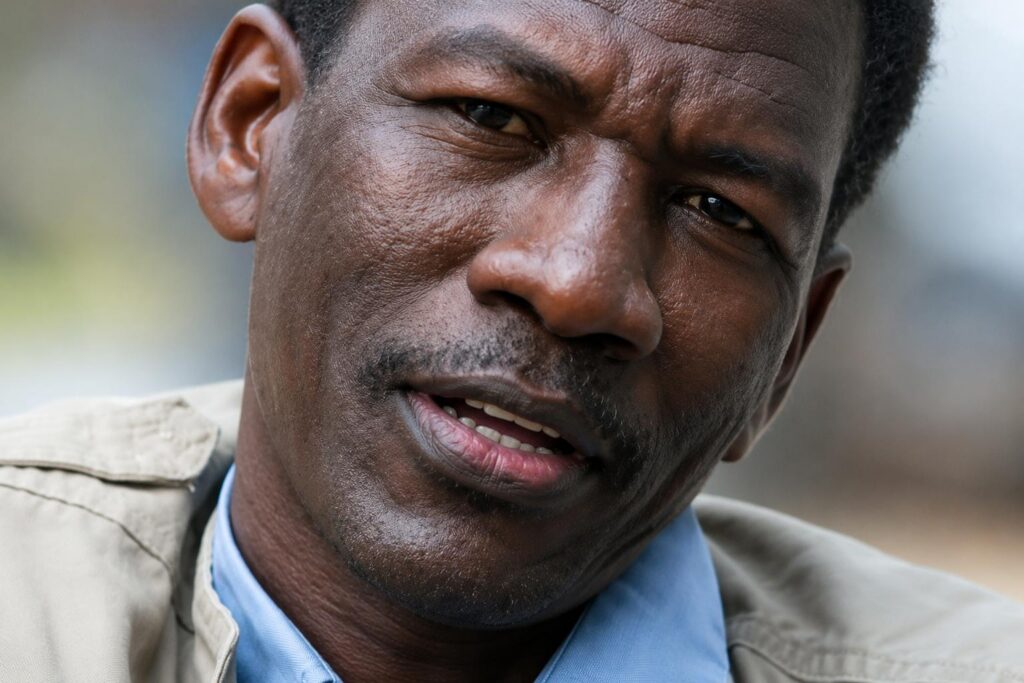
The barriers for opposition contenders often begin at registration. In Djibouti, aspiring challenger Alexis Mohamed abandoned his bid, citing both safety concerns and the crushing burden of candidacy fees. While risks to personal security played a role, the prohibitive costs of filing paperwork emerged as the decisive obstacle. Observers now describe such processes as “ceremonial charades”—staged performances where outcomes are predetermined before polling stations open.
Exorbitant campaign finance rules serve as another gatekeeping mechanism across the continent. Candidates routinely face registration deposits equivalent to years of average incomes, making participation a privilege reserved for the well-connected. This financial filtration system ensures only those with state patronage or vast personal wealth can mount serious challenges, leaving opposition voices systematically excluded from the democratic process.
Democracy’s price tag
The phenomenon isn’t isolated to these two nations. Similar fee structures have derailed opposition campaigns in Niger, Burkina Faso, and beyond, where six-figure sums in local currencies effectively price out grassroots candidates. The result? Elections that function more as legitimization rituals for incumbents than as mechanisms for genuine choice. As political analysts note, when financial hurdles replace policy debates, electoral democracy risks becoming a hollow spectacle.