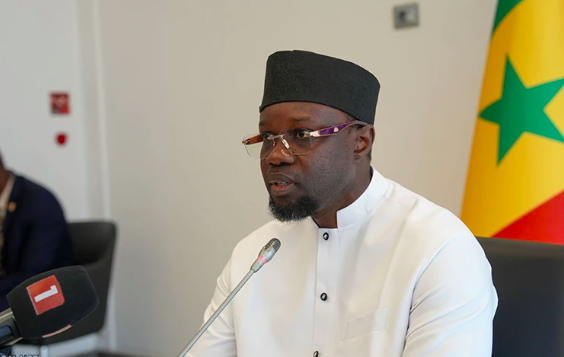
Prime Minister Ousmane Sonko has revealed a staggering 279 billion FCFA in dormant infrastructure assets across Senegal, following a comprehensive national diagnostic of stalled projects. Speaking at a high-level interministerial meeting in Dakar, he highlighted systemic financial, technical, and administrative bottlenecks crippling the country’s development.
The assessment identified 245 stalled or abandoned infrastructure projects, representing a total public investment of 279 billion FCFA. These projects, either partially completed or fully constructed but left unutilized, have created significant economic losses, Sonko emphasized.
root causes of project stagnation
Insufficient funding emerged as the primary obstacle, with Sonko noting that “financial constraints remain the dominant factor behind the paralysis of these 245 projects.” Technical hurdles also played a critical role, as incomplete infrastructure networks—particularly in water and electricity supply—further delayed progress.
The Prime Minister criticized the lack of foresight in infrastructure development, stating, “it is inconceivable to construct facilities without ensuring their operational readiness.” This oversight, he argued, has contributed to avoidable delays and financial waste.
government’s corrective measures
To address the crisis, Sonko announced the establishment of a dedicated committee at the Prime Minister’s office tasked with finalizing the inventory. Additionally, he ordered a thorough expansion of the assessment, acknowledging that the current findings may not capture the full scope of the problem.
Sonko also urged ministries to anticipate technical challenges, particularly in connecting hydraulic and electrical networks to infrastructure projects. He stressed the need for zero tolerance toward negligence, laxity, and administrative delays, which have exacerbated delivery failures and mismanagement.
The Prime Minister’s revelations underscore broader concerns about governance in infrastructure development. The losses incurred from these dormant assets, Sonko warned, demand urgent action to prevent further erosion of public resources.