Senegal’s agricultural future hinges on urgent reforms
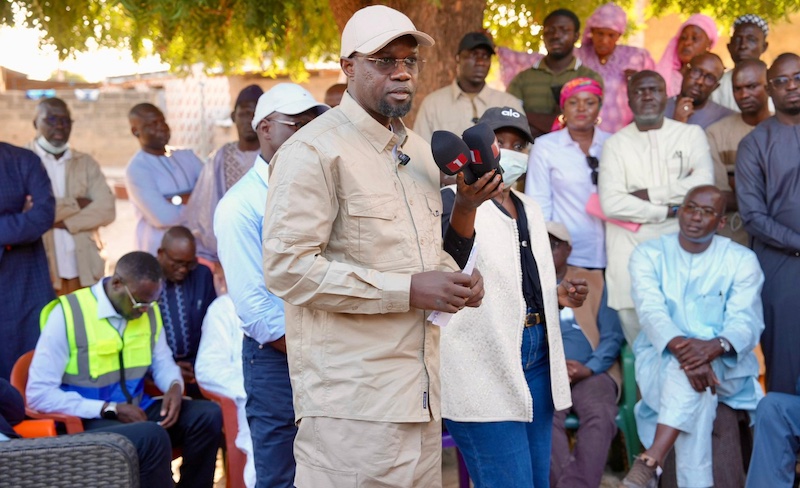
Prime Minister Ousmane Sonko has placed the 2026-2027 farming campaign at the heart of national priorities, unveiling a sweeping agenda to tackle Senegal’s persistent food sovereignty challenges. Speaking before the Council of Ministers, he emphasized both the nation’s agricultural achievements and its critical structural weaknesses that continue to undermine food security goals. While commending institutions like the Senegalese Institute for Agricultural Research (ISRA) and Senegal Chemicals Industries (ICS) for their progress in fertilizer and certified seed production, Sonko acknowledged that systemic gaps remain wide enough to block progress toward self-sufficiency.
Key priorities: seeds, credit, and storage infrastructure
Sonko identified three immediate priorities: overcoming chronic seed dependency, addressing quality inconsistencies from past seasons, and fixing a broken producer targeting system. He also highlighted the dual crises of limited access to agricultural loans and the nationwide shortage of storage facilities. These issues, he noted, are compounded by aging farming equipment and persistent inefficiencies in input distribution, including widespread diversion of subsidized resources.
To curb these malpractices, the government is fast-tracking the digital transformation of the agricultural supply chain—building on successful pilot programs in Tivaouane and Nioro. Until a full subsidy overhaul is implemented, state agencies must enforce strict cost transparency and ensure that farming inputs reach all regions without delay or misuse.