«Lessons to learn»: Ousmane Sonko highlights Africa’s football weaknesses after early 2026 World Cup exits
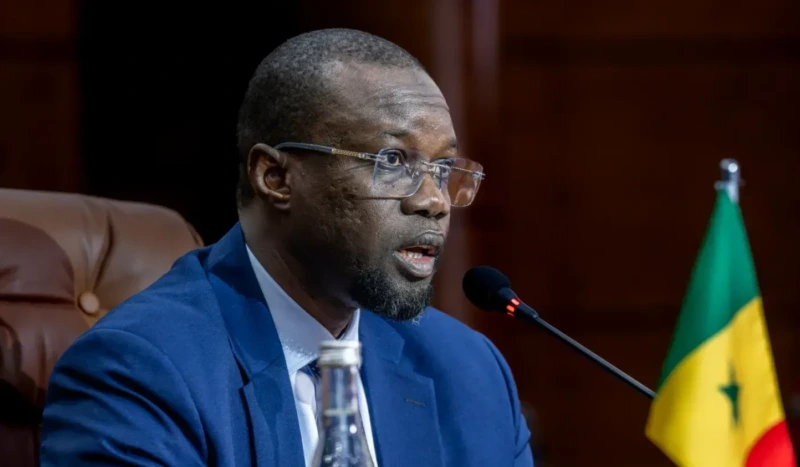
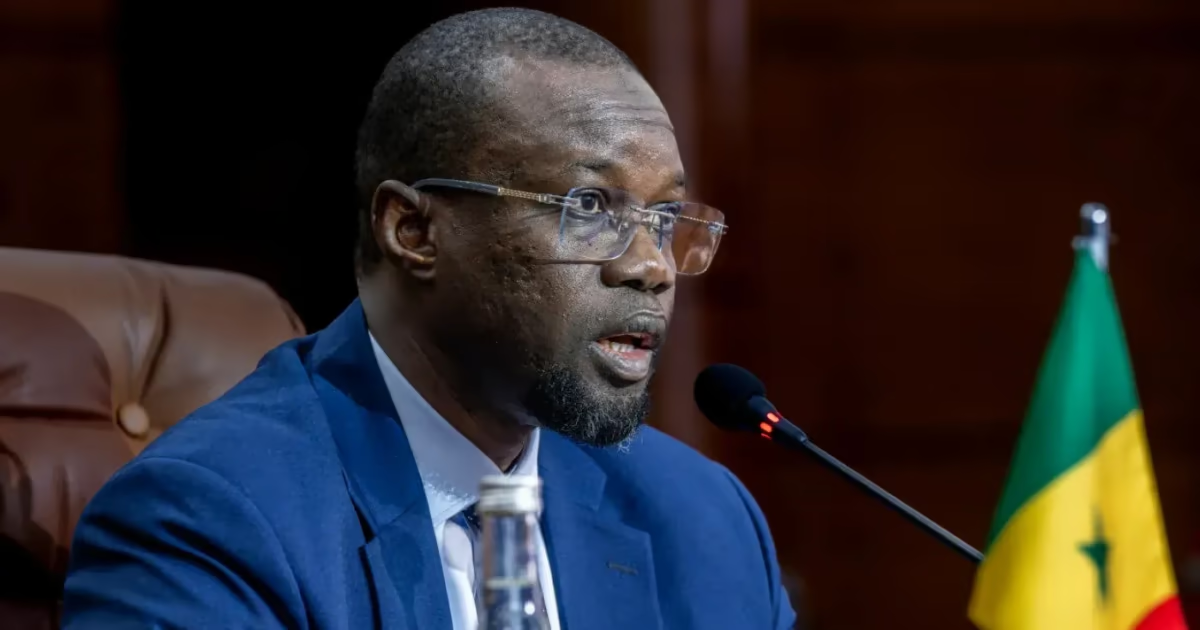
Following early exits from the 2026 World Cup, Ousmane Sonko, President of Senegal’s National Assembly, has called for urgent reforms in African football management, citing structural weaknesses that continue to undermine the continent’s performances.
In a candid assessment shared with international media, Ousmane Sonko, leader of the Pastef/Les Patriotes party, outlined his views on Africa’s World Cup campaign. Despite the expanded number of African teams qualifying for the tournament, he emphasized that the increase was not an act of generosity but a natural outcome of FIFA’s decision to broaden participation.
While acknowledging the expanded field, Sonko distanced himself from celebratory rhetoric about Africa’s presence, instead pointing to inconsistencies in how the tournament was managed globally. He noted that while some teams from other regions advanced with no clear superiority, Africa’s challenges ran deeper than mere luck on the pitch.
Key takeaways on Africa’s football development
For Sonko, the most glaring lesson from the 2026 World Cup is the persistent structural flaws in African football. He highlighted systemic issues in administration, team discipline, and leadership that continue to hamper the continent’s potential. These weaknesses, he argued, were decisive factors in the disappointing performances of even well-endowed squads like Senegal, which failed to progress as expected.
«The World Cup has once again exposed Africa’s enduring vulnerabilities,» Sonko remarked, urging a radical reassessment of how the sport is governed across the continent. His comments underscore a growing frustration with the gap between Africa’s football talent and the lack of professional infrastructure supporting it.
When questioned about the quality of teams still competing, Sonko conceded that some were not necessarily stronger than the eliminated African sides. Yet he insisted on upholding sportsmanship, acknowledging the hard-earned successes of the eventual winners.