Dakar hosts regional initiative to refine polio surveillance and data accuracy
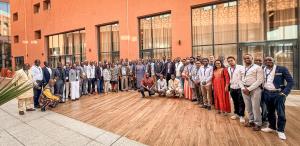
In Dakar, more than 80 specialists representing 19 African nations are collaborating this week to elevate the precision, uniformity, and application of polio surveillance data. This collective effort is vital for improving disease detection, guiding immunization initiatives, and ensuring children across the continent are shielded from poliomyélite.
The intensive sessions, focused on data quality assessment and workstream coordination, aim to bolster the digital infrastructure that underpins polio monitoring and outbreak management. By fostering evidence-based strategies, the initiative seeks to fortify health systems throughout the African region.
Improving monitoring and digital integration
Participants are conducting deep dives into several critical pillars of the eradication program. This includes evaluating the monitoring of acute flaccid paralysis (AFP), environmental and laboratory surveillance, and the effectiveness of supplementary immunization activities. The goal is to pinpoint persistent hurdles and implement practical fixes that ensure reliable information is transmitted consistently and quickly.
A significant portion of the workshop involves hands-on training with modern digital tools. These platforms are designed to streamline data collection and reporting, allowing health officials to make informed decisions based on real-time evidence. Discussions are also centered on the long-term maintenance of these systems to ensure they remain operational and effective.
Vigilance in the post-certification era
During the official launch, the Representative in Sénégal, Dr Yao N’da Konan Michel, expressed appreciation to the Sénégal government for hosting the event. He noted the country’s strong track record in managing infectious diseases within the region.
Dr Yao reminded the assembly that while the African region achieved a major milestone in 2020 by being declared free of indigenous wild poliovirus, the emergence of variant strains requires ongoing alertness. He emphasized that success depends on high-quality surveillance, rapid response capabilities, and the ability to close immunity gaps through robust data governance.
Securing a legacy of public health data
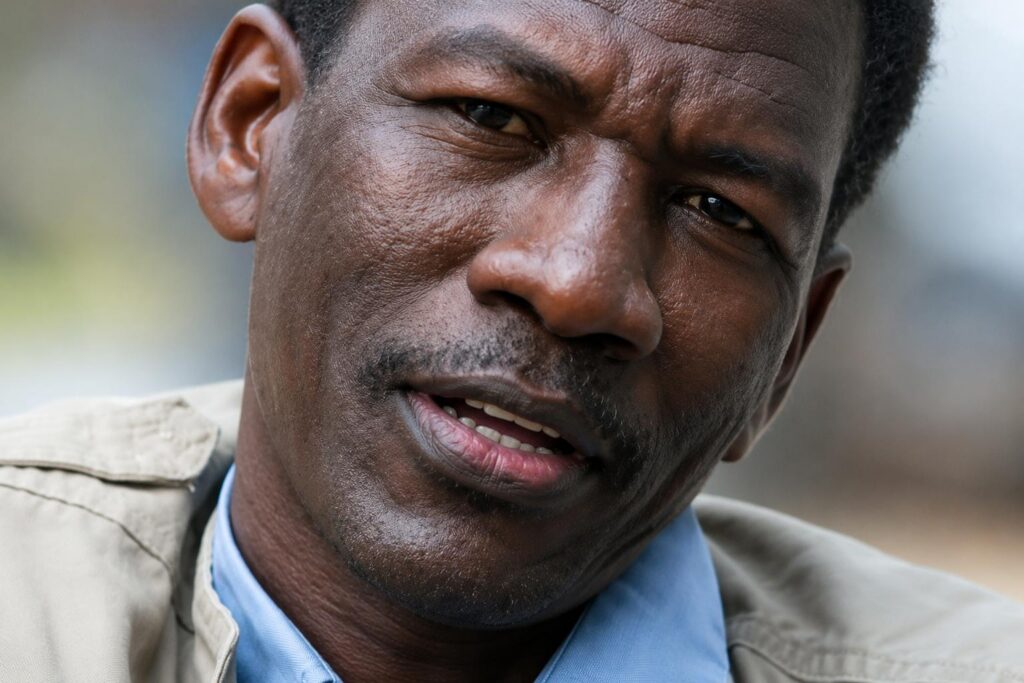
Kebba Touray, leading the data and information management team, explained that the workshop represents a unified commitment to protecting the program’s data legacy. He noted that the current systems are the result of years of dedicated leadership and technical support from international partners.
Mr. Touray urged the experts to use this period to bridge existing gaps in data quality. He cautioned that failing to improve these systems would make it difficult to track surveillance sensitivity or evaluate the impact of vaccination campaigns, potentially stalling the progress made toward total polio eradication in Africa.