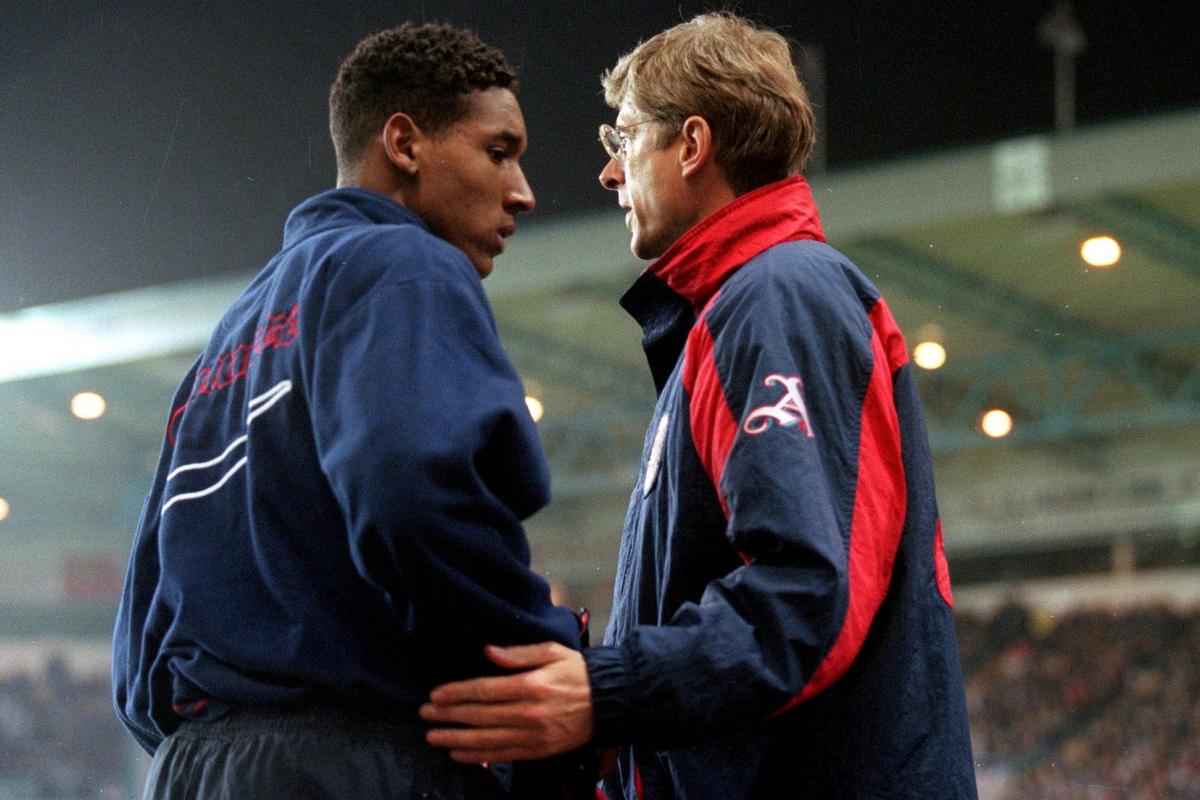
The explosive 1997 transfer of Nicolas Anelka from PSG to Arsenal: a young prodigy’s controversial leap to the Premier League
In February 1997, a 17-year-old Nicolas Anelka stunned the football world by leaving Paris Saint-Germain for Arsenal, sparking a legal and media frenzy that would reshape the landscape of European football transfers.
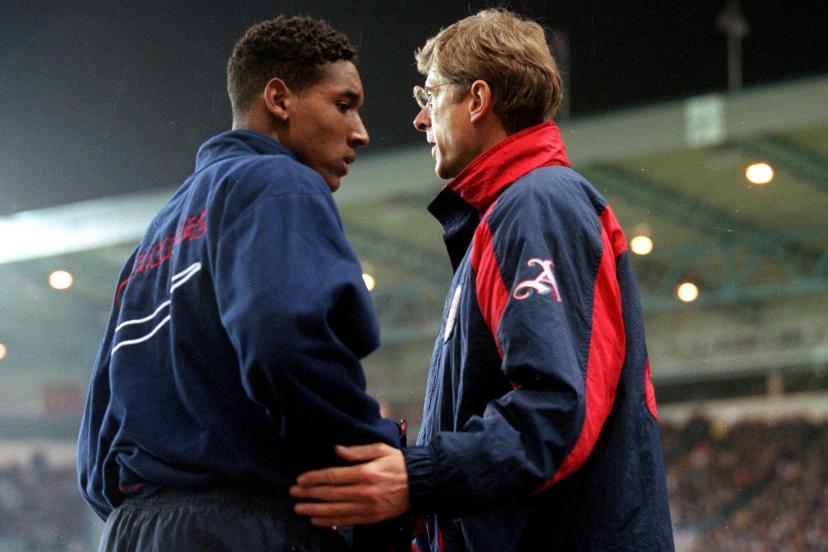
At just 17 years old and on the brink of signing with PSG, Nicolas Anelka completed a stunning move to Arsenal in February 1997, culminating in a fierce legal battle with the Parisian club.
“There are no winners, no losers.” On February 22, 1997, Michel Denisot, PSG’s deputy president, attempted to put a positive spin on the announcement of 17-year-old striker Nicolas Anelka’s six-year transfer to Arsenal. While the Parisian club did secure approximately 5 million French francs (€1.19 million adjusted for inflation) in the deal, the teenager—whose monthly salary jumped from 3,800 francs (€901) outside of match bonuses to 500,000 francs (€119,000) across the Channel—emerged as the clear victor of the five-week standoff he had initiated with his employers.
“The PSG executives framed it the way it suited them. They claimed I wouldn’t leave and there would never be an agreement with Arsenal. In the end, there was a deal—and I left. So who’s the loser?” Anelka fired back, having personally signed his contract with the London club alongside his father that very afternoon.
“You wanted a wildcard? You got one.”
From breakthrough to rebellion
Anelka’s journey to this explosive transfer began in February 1996 when he made his professional debut for PSG, coming on as a substitute in a match against Monaco. By September of the same year, his electrifying performance against Lens—where he scored and provided an assist in a 4-0 thrashing—earned him high praise from then-manager Ricardo, who declared: “You wanted a wildcard? You got one.” The stage was set for a meteoric rise.
As autumn approached, PSG pushed forward with a professional contract offer for their promising second-year player. But Anelka had other plans. Frustrated by limited playing time—he made just eight substitute appearances and no starts in Ligue 1 during the early part of the season—and stung by the club’s decision to bring in Servette FC’s Cyrille Pouget on loan in December, the youngster viewed the move as a clear sign of distrust. The stage was set for his rebellion.
Arsenal, under the watchful eye of manager Arsène Wenger, saw potential in the young Frenchman. After meetings with Wenger and a tour of the club’s facilities during the winter break, the Anelka family informed PSG sporting director Jean-Michel Moutier on January 11 that the player intended to leave in June, upon the expiration of his aspirant contract.
“PSG doesn’t trust young players. Very few have broken through, and even those who did, like Pascal Nouma, Francis Llacer, and Patrick Mboma, were still substitutes at 24.” Anelka told France Football at the time. “I was never going to sign that six-year contract they offered.”
A legal storm brews
On January 13, David Dein, Arsenal’s vice-president, sent a fax to PSG that ignited the powder keg: “In accordance with international regulations, we wish to inform you that we will be contacting your player, Nicolas Anelka.” The very next morning, at a hotel in Paris’s 16th arrondissement, Anelka and his father signed a six-year contract with Arsenal, effective July 1.
PSG reacted with fury. Although Anelka was meant to start in the Super Cup match against Juventus Turin that evening at Parc des Princes, Ricardo excluded him from the squad and sent him back to his apartment in Saint-Germain-en-Laye. Michel Denisot, livid, accused the player of “an act of rare rudeness” and stripped him of his professional status, reassigning him indefinitely to the youth team. There were even threats to loan him out to Servette FC for the remainder of the season.
“Anelka isn’t free and can’t sign for Arsenal.”
Wenger, however, remained confident, arguing that French regulations were no match for European law. “European laws give me peace of mind,” he asserted. “We are acting within the law. While France has internal regulations stating clubs shouldn’t approach players before they sign their first professional contract, those rules don’t apply beyond our borders.”
The manager also reminded critics of the landmark Bosman ruling, handed down by the European Court of Justice on December 15, 1995—a decision that had already upended the European football ecosystem. “At the end of a contract, a player is free to go wherever they want without compensation. When Anelka’s aspirant contract expires in June, he can join Arsenal without anyone being able to challenge that move.”
As the French Football League (LNF) turned to FIFA to resolve the dispute, Sepp Blatter, then FIFA’s general secretary, dropped a bombshell: “The French seem upset about young players leaving, but they don’t seem particularly concerned when African or South American talents head to Europe’s top clubs. I believe it’s positive that players aged 16 and older should have the opportunity to join big teams to make a name for themselves.”
“We wanted to take him as far as we could while protecting him. But he was determined to leave.”
In the end, a week before FIFA was set to rule on the case, PSG and Arsenal struck a deal in under 48 hours. “There was a gap in the net,” Denisot later admitted. “It wasn’t a pleasant moment for either club. Ultimately, everyone had the right to do what they did. The transfer made headlines because a prodigious talent was leaving on a free transfer right after his development. Nicolas was a young player. We wanted to take him as far as possible while protecting him, but he had made up his mind. We had very little room to maneuver.”
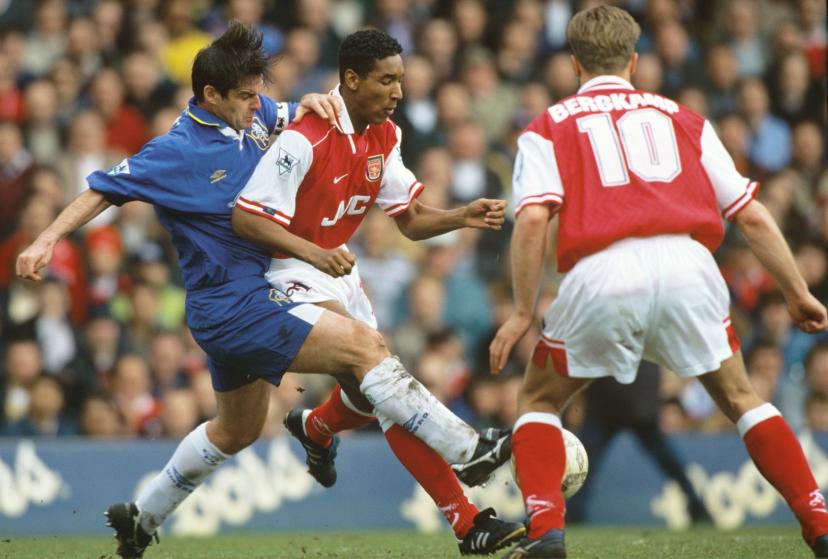
Arsenal quickly reaped the rewards of their bold investment. Though Anelka saw limited playtime in the final stretch of the 1996-1997 season—making just four appearances due to competition from Dennis Bergkamp and Ian Wright—he would explode onto the scene in the following years. In 1998-1999, he became the first non-British player to win the Premier League Young Player of the Year award. Yet, the honeymoon in London was short-lived. In the summer of 1999, after another tense standoff, Anelka joined Real Madrid in a deal worth 220 million francs (€51.6 million).
For his part, Michel Denisot bore no lasting grudge against Arsenal. “I got on well with Arsène [Wenger]. Years later, when I was president of La Berrichonne de Châteauroux, we handled Gilles Sunu’s transfer to Arsenal smoothly. As a fun fact, I even took David Dein’s son on an internship at Canal+ when I was head of sports there.”