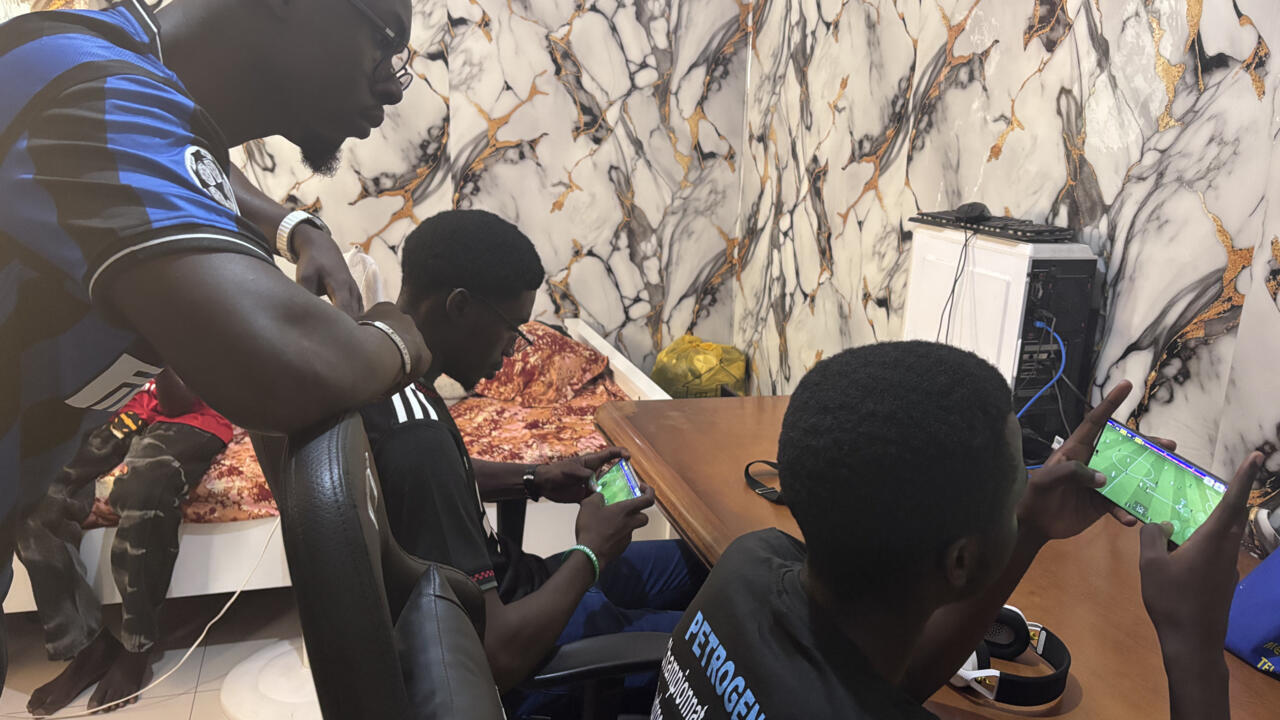
Daily, these dedicated players spend countless hours honing their skills on their mobile screens. eFootball, the popular mobile football game from Japanese studio Konami, has surged into a widespread phenomenon across West Africa, especially in Senegal, a nation deeply passionate about traditional football. Its accessibility, surpassing console gaming, has fueled its immense success. Highly organized teams here are now striving for professional status and championship accolades. In the vibrant city of Dakar, numerous players are intensely preparing for the crucial eFootball World Cup qualifiers.
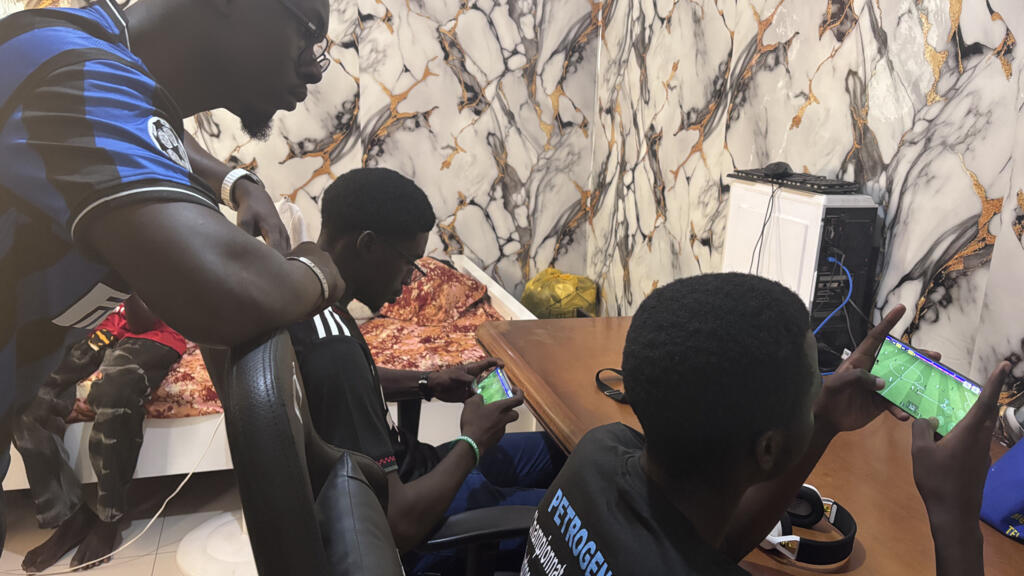
With mobile phones firmly in hand, the players exuded intense focus. Just hours away, they were set to compete in the qualifying rounds for the eFootball World Cup, the globe’s most played mobile football title, scheduled for November in Riyad. Ibrahima Diop, widely known as Ibzo, the national team’s coach, delivered his final strategic instructions.
Ibzo has carefully selected the nation’s top talents; his squad achieved a historic first-place ranking in Africa last March. This free-to-play game now far outstrips the popularity of console-based titles. Mohamed, known as Medzo, a 17-year-old who traveled from Saint-Louis to participate in the qualifiers, shared his enthusiasm: ‘It’s a lot of fun, and the competition is fierce. You get that feeling of ‘you’re not going to beat me.’ It’s also incredibly easy to pick up. You don’t need an expensive phone; a simple 3GB RAM device is enough, unlike costly consoles. Senegalese players are skilled, numerous, and deeply immersed in the game.’
This young enthusiast envisions a professional career in esports, a dream echoed by Pape Mouhamed Saloum Sow, a law student. ‘I aspire to reach the highest level of competition,’ Sow stated. ‘I believe eFootball has evolved beyond just a game. We started as strangers, but now we’ve become like a family.’
Navigating server challenges and digital disparities
However, these talented Senegalese players contend with distinct disadvantages. A primary concern is TikTok: the platform, crucial for sharing their game analyses and strategic advice, currently lacks monetization features in Africa, a stark contrast to its availability in Europe or the United States. More critically, persistent connectivity issues place them at a significant disadvantage against international competitors. Ibzo elaborated: ‘In Senegal, we constantly battle server problems. Across the entire continent of Africa, there’s only one server, located in South Africa. This creates considerable frustration due to excessive latency. You initiate a pass, and it feels like an eternity – sometimes two minutes – before the action registers in the game.’
To further solidify the burgeoning esports sector, Ibzo established his own club. This initiative is bolstered by the national electronic sports federation, Fesseda, which was founded two years prior. El Hadji Mansour Jacques Sagna, Fesseda’s president, explained: ‘We have formalized an agreement to launch what we term ‘e-navétanes’ – electronic versions of our traditional local football tournaments. This will enable a vast number of young people to engage in organized competitions nationwide.’
Furthermore, the federation has unveiled plans for an upcoming esports analysis and performance center. This facility, destined for the Léopold-Sédar-Senghor stadium, aims to foster the professionalization of the discipline, supporting aspiring players in their journey.