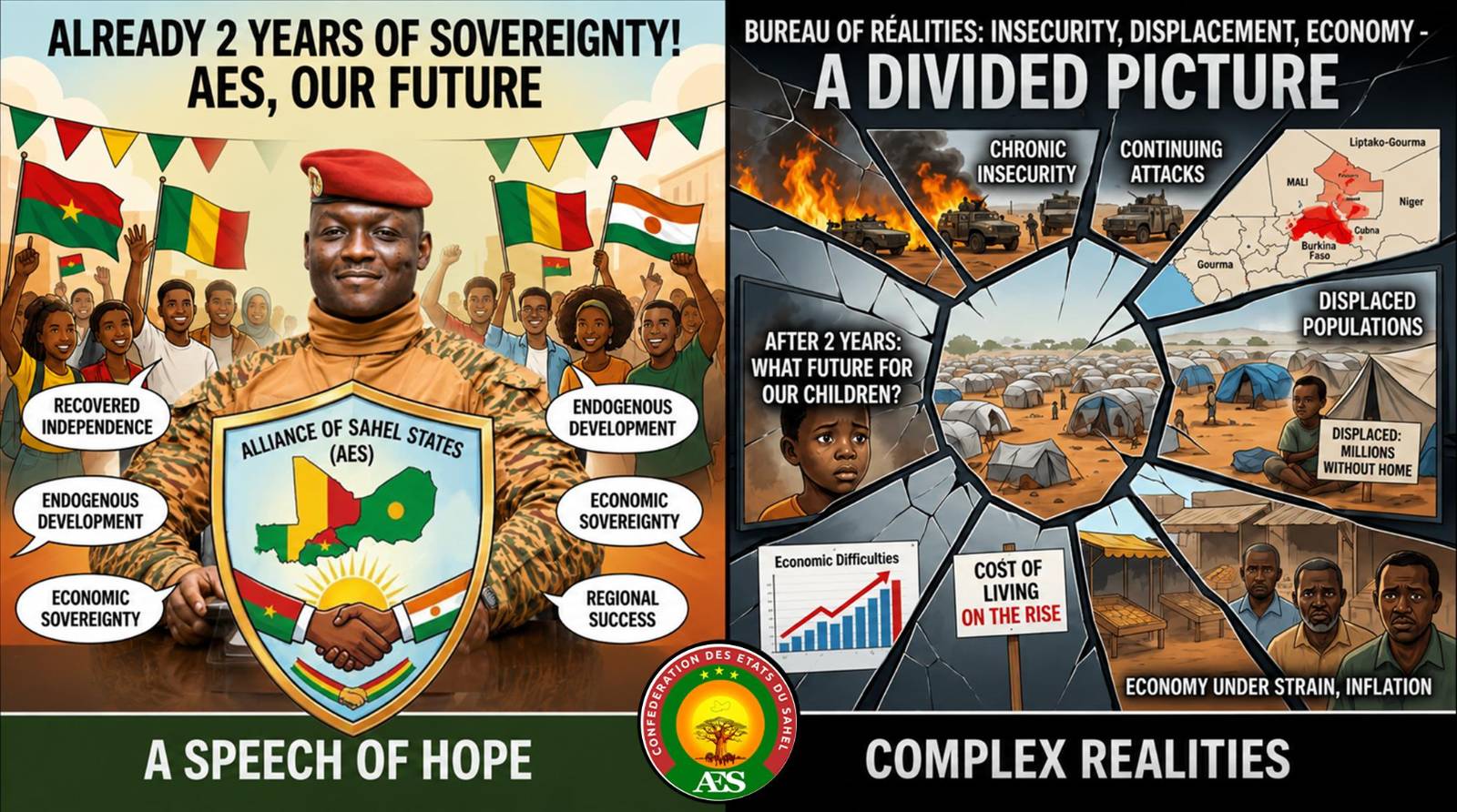
The establishment of the Confederation of Sahel States (AES) two years ago marked a significant shift in the political landscape of West Africa. Its leaders, including Captain Ibrahim Traoré, have consistently framed the alliance as a triumph of sovereignty, solidarity, and cooperation among Burkina Faso, Mali, and Niger. While this narrative resonates with a segment of the population, it has yet to fully convince those seeking tangible improvements in their daily lives.
The AES has positioned itself as a bold alternative to traditional partnerships, emphasizing independence and self-reliance. Yet, sovereignty—when stripped of rhetoric—demands more than symbolic gestures or geopolitical realignments. It requires tangible progress in security, governance, and economic stability, all of which remain pressing concerns for the citizens of the three member states.
Security challenges persist despite military claims
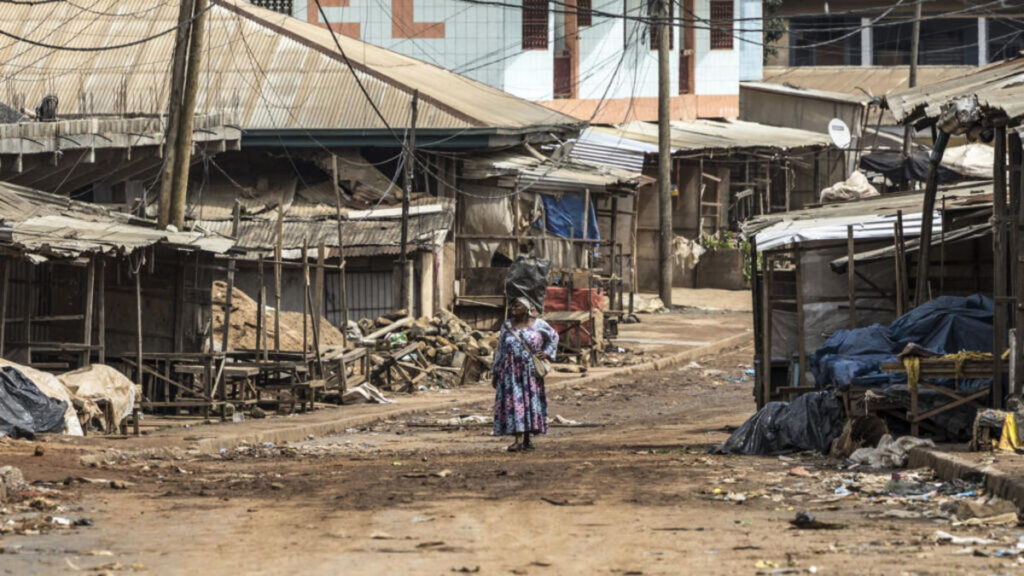
Despite repeated assertions of military success, armed groups continue to operate across vast regions of Burkina Faso, Mali, and Niger. Civilians in these areas face persistent threats of violence, displacement, and humanitarian crises. The AES’s ability to protect its people remains a critical test of its effectiveness, one that has yet to yield conclusive results.
Economic integration remains a distant goal
The promise of regional economic integration has yet to materialize in any meaningful way. Trade flows between the three countries remain limited, and budgetary constraints continue to hinder development. Households across the region grapple with declining purchasing power, while job creation and infrastructure development lag behind expectations. For many, the anticipated benefits of the AES exist only in official declarations, not in reality.
The limits of sovereignty as a political strategy
While sovereignty has become a central theme in the AES’s public discourse, it cannot substitute for the fundamental responsibilities of governance. Citizens evaluate their leaders not by the strength of their rhetoric but by the quality of their lives. Access to healthcare, education, employment, and basic services remains uneven, and the public’s patience for unfulfilled promises is wearing thin.
Moreover, an overemphasis on sovereignty risks overshadowing critical issues such as transparency, accountability, and institutional strength. A regional alliance that fails to address these concerns may struggle to earn the enduring trust of its people. The AES’s long-term viability will depend not on declarations of independence but on its ability to deliver measurable progress in governance and public welfare.
Assessing the AES’s true impact
Two years after its inception, the Confederation of Sahel States undeniably represents a transformative moment in West African politics. Yet, its legacy will be determined not by the boldness of its leaders’ statements but by the concrete outcomes it achieves for the citizens of Burkina Faso, Mali, and Niger. The coming years will reveal whether the AES can translate its vision into tangible benefits—or remain a project defined more by ambition than by results.