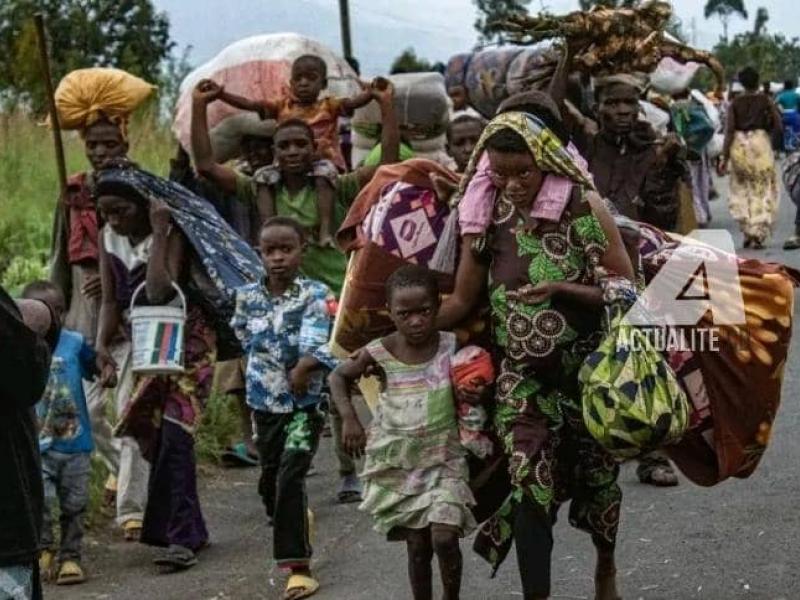
The United Nations has sounded the alarm over the deepening humanitarian crisis in the Democratic Republic of the Congo (DRC), where nearly 27 million people—over a quarter of the population—are facing severe food insecurity. At a Security Council briefing in New York, James Swan, the UN Secretary-General’s Special Representative for the DRC and head of the UN Stabilization Mission in the DRC (MONUSCO), highlighted the urgent need for international partners to close the funding shortfall in the 2026 Humanitarian Response Plan.
With the plan currently funded at just 53.3% of its $1.4 billion target, Swan emphasized that without immediate additional funding, critical humanitarian assistance will be further reduced. The plan prioritizes life-saving aid for 7.3 million people, including emergency food assistance, healthcare, and protection services. However, the persistent conflict in the eastern provinces—particularly in North Kivu and South Kivu—continues to exacerbate the crisis, displacing communities and straining already limited resources.
Humanitarian situation worsening amid funding constraints
The funding shortfall has already forced drastic cuts in humanitarian operations. In 2025, over 1,000 nutrition centers were shut down, leaving more than 390,000 children suffering from severe acute malnutrition without essential treatment. Access to primary healthcare has also been severely compromised, with 1.5 million people losing access to medical services due to facility closures, drug shortages, and reduced epidemic prevention and response capacities. Food assistance targets have been slashed by up to 73%, leaving millions of vulnerable Congolese at heightened risk of hunger and deprivation.
Swan stressed that the current funding level is insufficient to meet the growing needs of the population. “The humanitarian crisis in the DRC remains dire,” he stated. “We must act now to prevent further deterioration. The international community’s swift and decisive support is critical to saving lives and preventing a full-scale catastrophe.”
Government and humanitarian community unite in appeal
The DRC government and humanitarian organizations launched the 2026 Humanitarian Response Plan in January, calling for $1.4 billion to address the country’s most urgent needs. The plan targets 15 million people with life-saving assistance, but only 7.3 million will receive support if funding levels do not improve. Without additional resources, the response will remain severely limited, leaving many communities without access to essential services.
“The situation demands urgent action,” Swan added. “We cannot afford to wait. Every day that passes without sufficient funding means more suffering for the people of the DRC. The international community must step up and fulfill its commitments to ensure that no one is left behind.”
Persistent conflict fuels humanitarian needs
The eastern DRC remains one of the most volatile regions in the world, with ongoing clashes between armed groups and government forces. Despite diplomatic efforts to secure a lasting ceasefire, violence continues to displace civilians and disrupt aid delivery. The closure of banks and airports in conflict zones has further strained the humanitarian response, limiting the movement of goods and personnel.
As the crisis deepens, the UN and its partners are calling for a renewed commitment from the international community to provide the necessary resources to address the humanitarian emergency in the DRC. The stakes could not be higher: without immediate action, the consequences for millions of Congolese will be devastating.