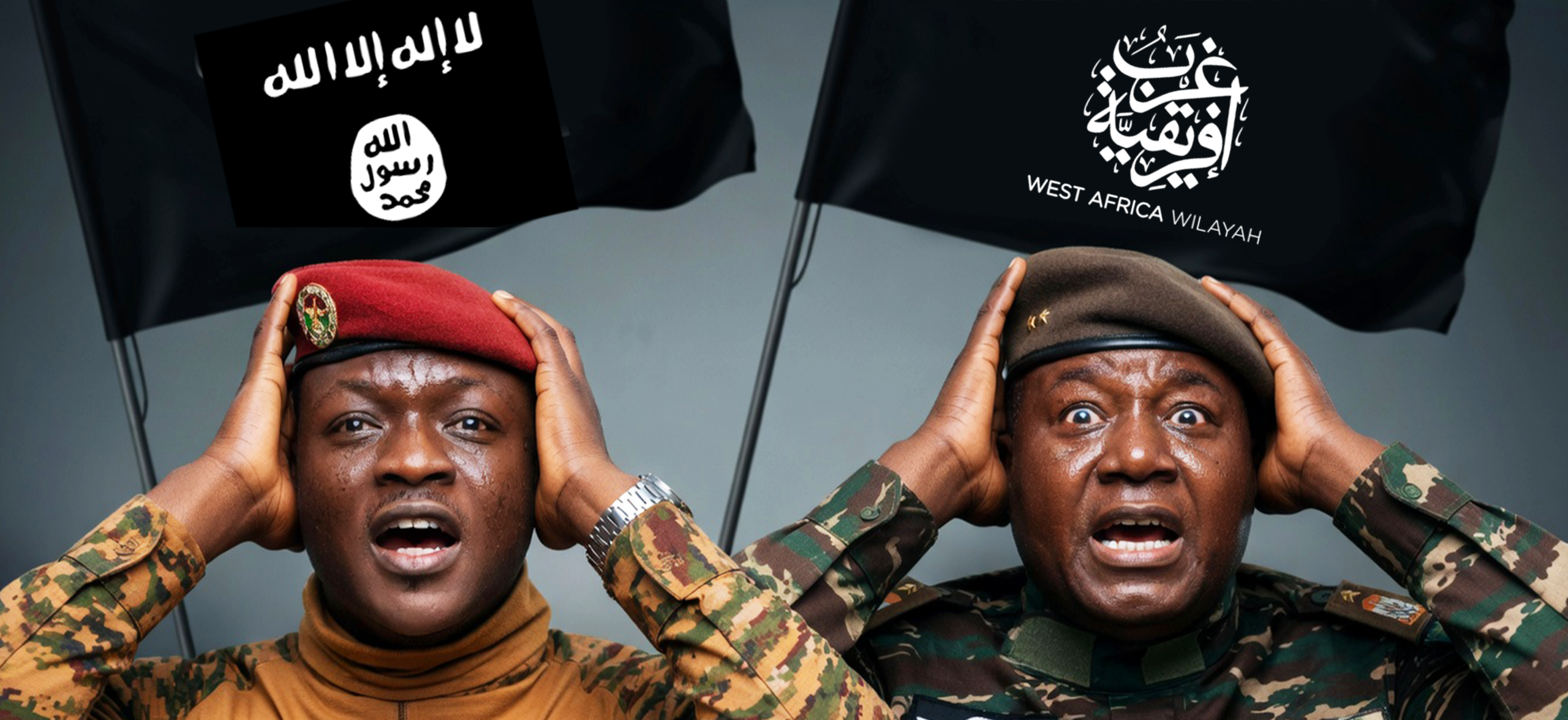
A recent confrontation along the Burkina Faso-Niger frontier is more than an isolated incident; it signifies another chapter in the intense hegemonic struggle between the two dominant jihadist entities in the Sahel: the Al-Qaeda-aligned Group for the Support of Islam and Muslims (JNIM) and the Islamic State in the Greater Sahara (EIGS).
The evolving trajectory of the Sahelian conflict has definitively ended what was once considered a ‘global exception,’ where affiliates of Al-Qaeda and the Islamic State managed to coexist. Since 2020, this dynamic has transformed into a full-blown, systemic confrontation. The border region connecting Burkina Faso and Niger, now a critically porous security zone, has become the primary theater for this internal ‘civil war’ within the broader jihadist movement. Here, each faction prioritizes the elimination of its ideological rival as a strategic prerequisite before launching any major offensive operations.
This deep-seated conflict stems from fundamental doctrinal differences and their practical application within local societies. At its core, the dispute appears to revolve around the management and treatment of civilian populations:
- JNIM (Strategy of Integration): Under the guidance of Iyad Ag Ghali, JNIM employs a ‘hearts and minds’ approach. The group actively seeks to embed itself within existing local community disputes, offering a form of justice and generally avoiding large-scale massacres of Muslims. Its overarching objective is to establish a proto-state that garners acceptance from the local populace.
- EIGS (Strategy of Terror): Remaining steadfastly loyal to the central Islamic State’s doctrine, EIGS enforces an ultra-radical interpretation of takfir (excommunication). For them, anyone who does not pledge allegiance is deemed an apostate. This indiscriminate brutality frequently acts as a catalyst for clashes with JNIM, which then strategically positions itself as a ‘shield’ for civilians, thereby enhancing its own legitimacy.
Given the Burkina-Niger border’s critical role as a strategic transit hub, the recent skirmishes were likely aimed at securing control over vital assets:
- Smuggling Routes: These pathways facilitate the illicit trade of fuel, livestock, and various commodities, with taxes levied on these activities directly funding the groups’ war efforts.
- Mobility Corridors: Essential for the movement of fighters between their sanctuary in Mali and areas targeted for expansion towards the Gulf of Guinea nations.
For the authorities in Burkina Faso and Niger, both members of the Alliance of Sahel States (AES), these internal jihadist battles unleash extreme security chaos for civilian populations. This instability triggers massive displacements of refugees, placing significant humanitarian and logistical burdens on these states. Furthermore, the complexity of identifying targets amidst multiple, constantly moving factions makes effective aerial strikes exceedingly perilous for national forces.
More than a mere territorial squabble, this escalating confrontation represents a critical struggle for political survival. JNIM endeavors to preserve its historical hegemony, while the more mobile and violent EIGS strives to break out of its perceived encirclement. For Burkina Faso and Niger, unwavering vigilance remains paramount: the mutual weakening of these jihadist groups does not signal their demise, but rather a continuous evolution of the persistent threat along their borders.