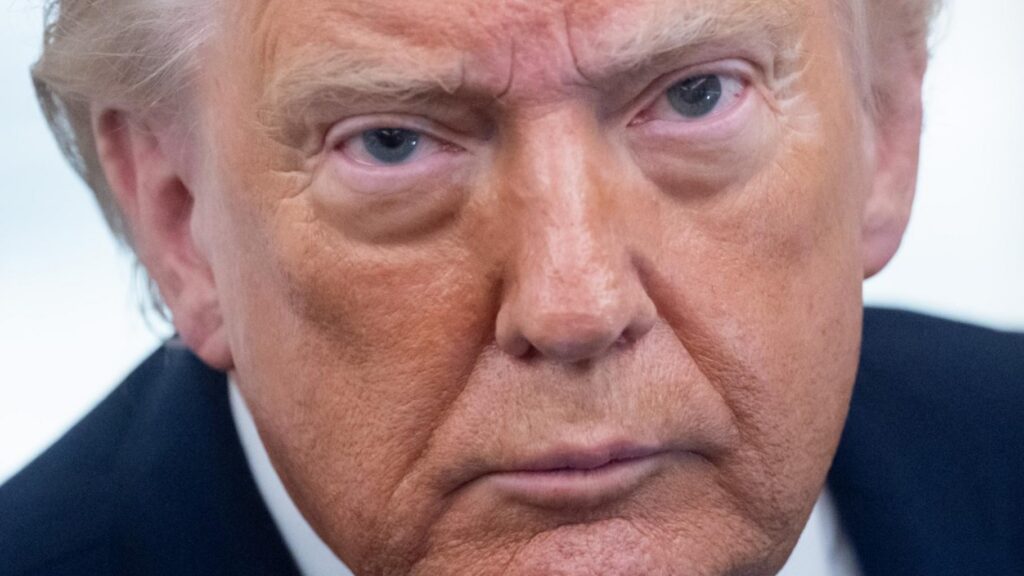
Recent discussions within the Trump administration suggest the United States may be weighing military strikes against a well-known extremist group operating in Mali. According to reports, the potential operation targets the Jama’at Nusrat al-Islam wal-Muslimin (JNIM), an Al-Qaïda-linked faction that has grown significantly in influence over recent years. This move would mark a significant expansion of U.S. counterterrorism efforts in West Africa, following France’s earlier intervention in the region.
The proposal remains under review, with key figures in the administration divided over its potential effectiveness. Sebastian Gorka, a counterterrorism advisor to the National Security Council, has emerged as a vocal proponent of military action. However, other officials have raised concerns about the long-term implications of such an operation in Mali, particularly given its complex security landscape.
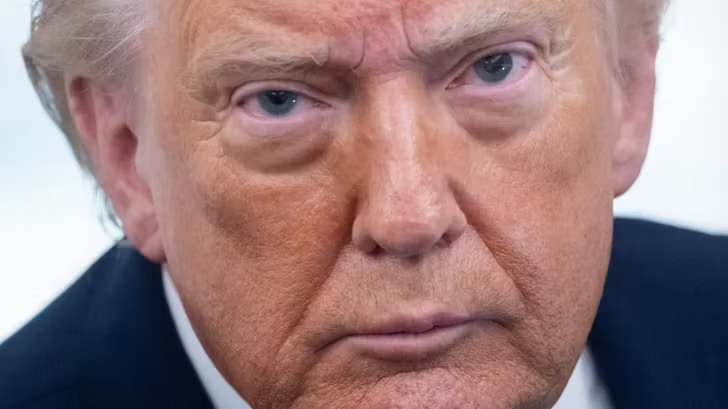
The White House has yet to confirm whether such strikes are being considered. A senior administration official did note, however, that Washington is actively encouraging North and West African nations to bolster their own counterterrorism capabilities by investing in American-manufactured equipment and services. The official described the jihadist threat in the Sahel as a « multinational challenge », underscoring the need for a coordinated regional response.
Is military intervention the right approach?
The JNIM has become one of the most formidable armed groups in West Africa, with operations spanning multiple coastal nations. Analysts warn that a U.S.-led military campaign could have unintended consequences. Corinne Dufka, an independent Sahel expert, cautioned that targeting JNIM leaders might inadvertently hinder efforts to deradicalize and demobilize its members, describing the group as « one of the most sophisticated jihadist organizations in the world ».
Critics of military intervention point to the region’s recent history, where prolonged efforts—both by France and Russian-backed forces—have failed to curb the spread of extremism. Some fear that weakening JNIM could inadvertently strengthen rival factions, such as the Islamic State in the Sahel, which has been competing for influence in the area. Others highlight the risks of escalating tensions with Russian-backed entities already active in Mali and neighboring countries like Burkina Faso and Guinea.
A U.S. official commented on Russia’s mixed track record in counterterrorism efforts across Africa, stating, « We hope African nations will take note of Russia’s underwhelming performance in combating terrorism. »