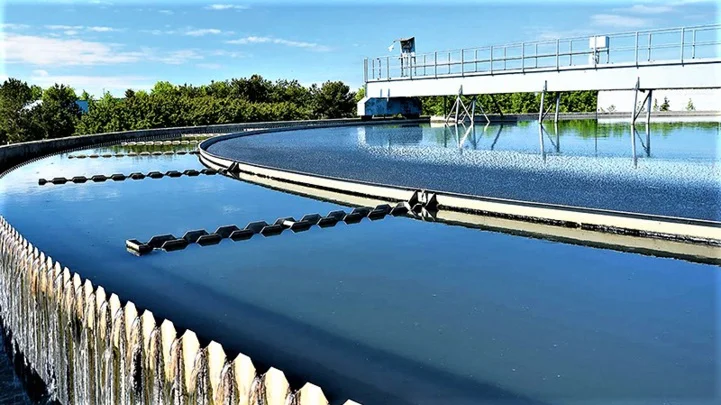
Renewed discussions are underway between Veolia, the French environmental giant, and Morocco’s Ministry of the Interior regarding the ambitious Rabat desalination plant project. The facility, designed to produce 822,000 cubic meters of potable water daily, represents a critical step in addressing the country’s water scarcity challenges.
With an annual production capacity of 300 million cubic meters, the plant will rely on renewable energy sources to ensure sustainability. Key negotiations currently revolve around finalizing the cost of desalinated water, with both parties targeting a rate of 4.5 Moroccan dirhams per cubic meter.
The project, initially paused due to financial and climate-related hurdles, has gained fresh momentum following months of deliberations. A memorandum of understanding was formalized in October 2024 during a high-profile state visit, outlining the terms of the public-private partnership.
Under the agreement, Veolia will oversee all phases of the project—from design and financing to construction and operation—for a 35-year term. Located along the Atlantic coast near Rabat, the plant will supply water to the Rabat-Salé-Kénitra and Fès-Meknès regions, benefiting approximately 9.3 million residents.
This initiative aligns with Morocco’s broader water security strategy, as the nation continues to expand its desalination infrastructure. The market has drawn international attention, with Spanish firms Acciona and Cox vying to develop the upcoming Tanger desalination plant, slated for completion between 2028 and 2029 with an annual output of 150 million cubic meters.