Three years of military rule: a country trapped in crisis
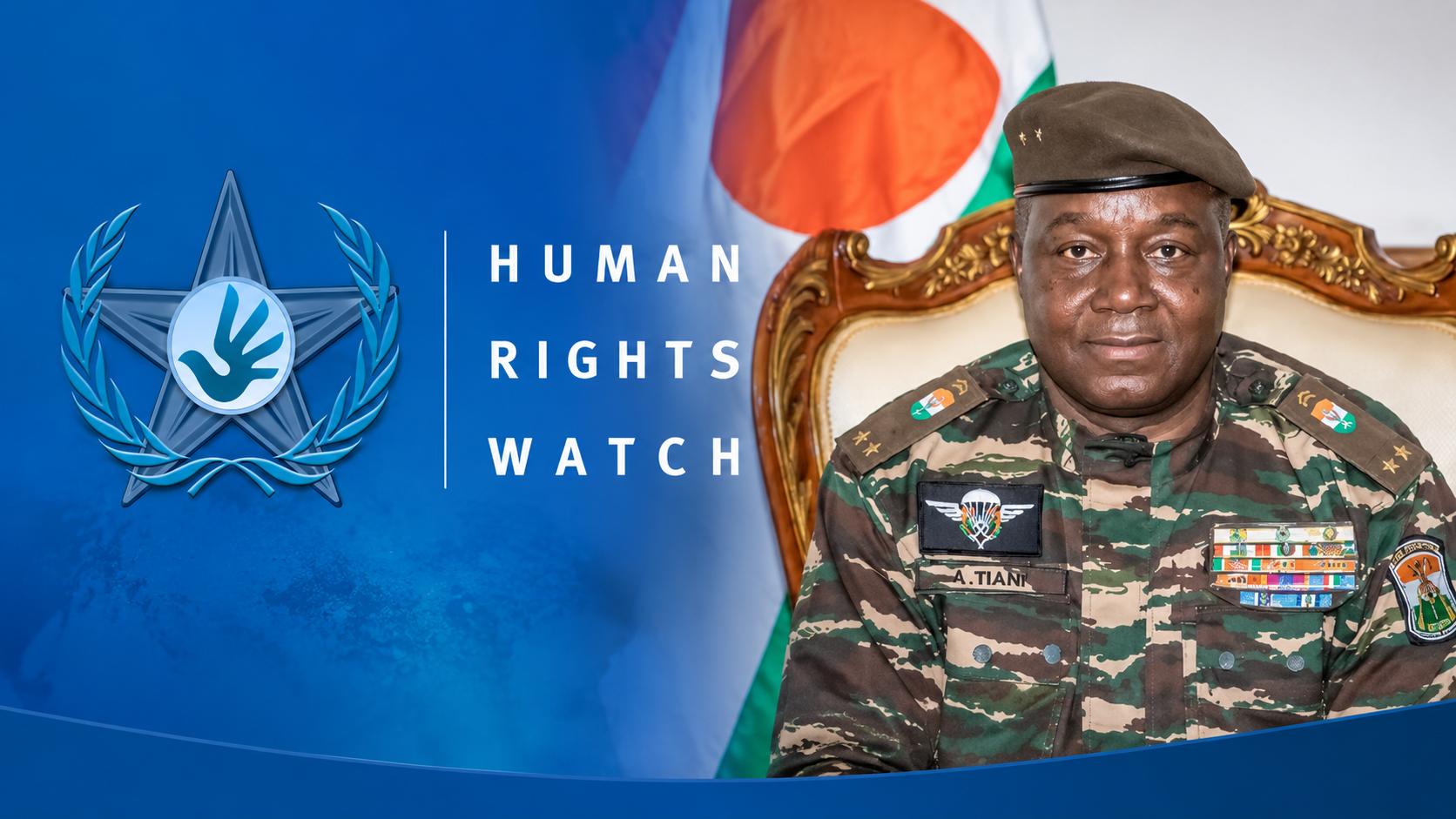
Since the Niger coup led by General Abdourahamane Tiani on 26 July 2023, the nation has witnessed a steady erosion of democratic foundations. A recent assessment by a leading human rights body paints a stark picture of institutional collapse, arbitrary detentions, and a deliberate crackdown on dissent.
Erosion of democratic safeguards and shrinking civic space
The coup, which ousted President Mohamed Bazoum, marked the beginning of a systematic dismantling of state institutions. Under the banner of national security and sovereignty, the ruling junta has progressively silenced opposition voices, restricted judicial recourse, and consolidated power through legal and administrative measures.
Political prisoners and the silencing of dissent
The prolonged detention of former President Mohamed Bazoum and his spouse has become emblematic of the regime’s uncompromising stance. Despite international pressure and calls from United Nations bodies for their immediate release, the military leadership has shown no sign of yielding. The arrest of prominent human rights defender Moussa Tiangari in December 2024 further underscored the regime’s intolerance toward criticism.
In a move widely condemned as judicial manipulation, authorities extended the maximum pre-trial detention period in terrorism-related cases from 12 months to four years. Human rights lawyers argue this change was applied retroactively, fundamentally altering the legal framework to the detriment of defendants.
Media blackout and persecution of critical voices
The crackdown extends beyond political opponents to include journalists and civil society. Under a revised cybercrime law, dissenting voices are systematically targeted:
- Dissolution of political entities: All opposition parties and several independent unions and NGOs have been banned from operating.
- Media censorship: Independent outlets face severe restrictions, with six journalists detained in Niamey last October for merely publicizing a press conference.
- Exile crackdown: The regime has revoked the nationality of opposition figures abroad, including Mariama Djibrine, a vocal critic now stripped of her Nigerien citizenship.
Societal backslide and international isolation
The regime has intensified its conservative agenda, introducing amendments to the Penal Code that criminalize same-sex relations and LGBT support. This legislation has already led to arrests and disrupted vital public health programs. The withdrawal from the Economic Community of West African States (ECOWAS) and the International Criminal Court (ICC) in June has further deepened Niger’s diplomatic isolation, leaving citizens with fewer avenues for legal recourse amid ongoing security challenges in regions like Tillabéri.
Human rights organizations urge the international community to move beyond passive engagement and demand the release of political prisoners and a return to democratic governance.