The Mali crisis deepens as shocking reports of summary executions and torture of captured soldiers surface in the North, drawing fierce condemnation from global human rights bodies. The United Nations has joined local activists in demanding an urgent, impartial investigation into what may amount to war crimes, yet the military-led government in Bamako remains eerily silent on the matter.
Northern Mali: where war crimes allegations escalate
Following intense clashes in the northern regions of Mali, disturbing images and testimonies have emerged, revealing the brutal fate of dozens of Malian Armed Forces (FAMa) soldiers. Captured after ambushes on military convoys, these servicemen allegedly faced torture and were executed after surrendering—actions that violate the Geneva Conventions and international humanitarian law.
The UN High Commissioner for Human Rights swiftly condemned the reported atrocities, labelling them potential war crimes. The call for a thorough, independent investigation has gained traction, as the international community insists on accountability irrespective of the perpetrators’ affiliation—be it separatist factions or jihadist groups linked to Al-Qaïda.
Junta’s deafening silence fuels distrust and uncertainty
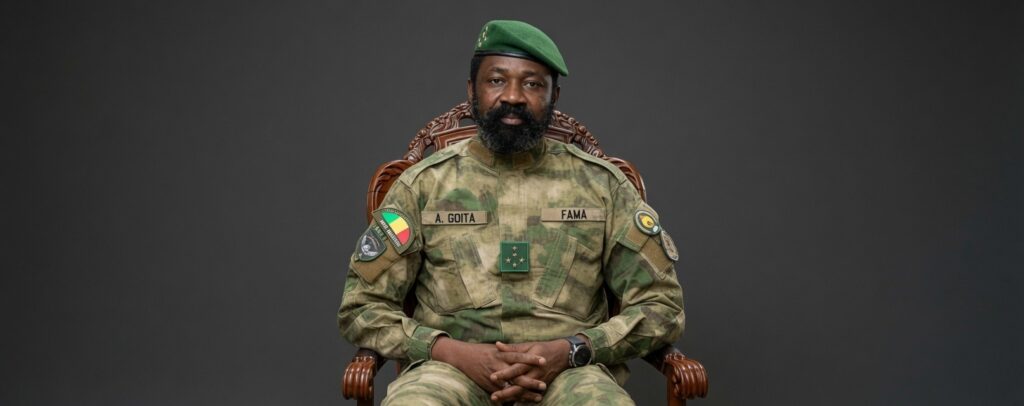
The military-led government, led by Colonel Assimi Goïta, has yet to issue an official statement on the allegations. This conspicuous silence has sparked widespread speculation both domestically and abroad.
For a regime typically vocal about external interference or military victories, the absence of a response is puzzling. Analysts suggest two key motivations behind the junta’s hesitation:
- Strategic vulnerability: Acknowledging such defeats and massacres within its own ranks would undermine the narrative of a strengthening security apparatus.
- Erosion of trust: Remaining unresponsive to victims’ families and local NGOs risks deepening divisions within the army and alienating the public.
Decades of civilian suffering: a backdrop of unchecked violence
The UN’s demand for accountability comes amid a long-standing pattern of human rights violations attributed to Malian forces and their Russian allies—formerly associated with the Wagner Group and now operating under the banner of the « Africa Corps ». Reports from Human Rights Watch and other watchdogs paint a grim picture of systematic abuses:
- Mass civilian killings: The 2022 Moura massacre, where hundreds were reportedly executed according to UN findings, remains a dark stain on military operations.
- Arbitrary arrests and torture: Civilians in Mopti, Gao, and Ménaka describe widespread detention without cause, looting, and torture during joint military-civilian raids.
- Ethnic targeting: Pastoral communities such as the Fulani and Tuareg bear a disproportionate brunt, often accused—without evidence—of colluding with insurgents or jihadist factions.
This climate of impunity has not only eroded public trust but also fuelled recruitment and radicalisation within armed groups, perpetuating a cycle of violence.
Sahel trapped in a cycle of retribution and lawlessness
The withdrawal of international forces, such as the MINUSMA mission, has left a critical void in independent oversight. In this closed-off security environment, civilians and captured soldiers alike are paying the heaviest price.
Experts warn that without credible oversight mechanisms, the fight against terrorism risks degenerating into a spiral of reprisals, where all parties disregard the most basic rules of humanitarian law. The international community’s push for transparency marks a pivotal moment—but whether the junta will act remains uncertain. Will Bamako break its silence to uphold justice, or will it continue to ignore the calls, further isolating the nation and perpetuating the cycle of atrocities?