protesters push back as Congo-Kinshasa’s tshisekédi eyes third term
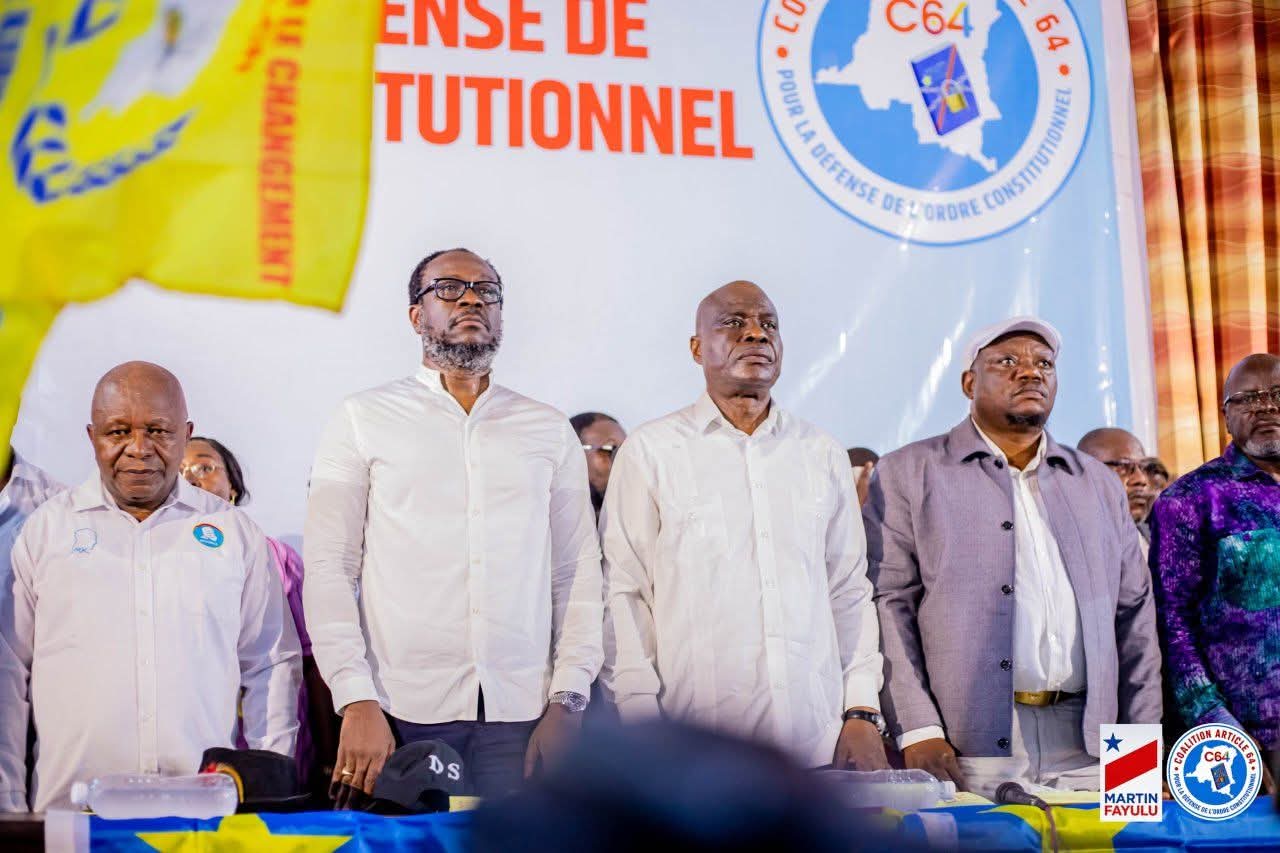
The constitutional amendment proposal keeps gaining ground, but the chorus of dissent is growing louder. On June 3, opposition leaders and civil society activists, under the banner of the C 64 coalition, called for a nationwide “dead city” protest to reject President Félix Tshisékédi’s bid for a third term. The turnout exceeded expectations: Kinshasa, usually bustling with activity, ground to a halt as shops shuttered and streets emptied.
The constitutional revision in Congo-Kinshasa hinges on raw political power
The opposition, emboldened by the demonstration’s success, is likely to escalate pressure until President Tshisékédi abandons his third-term ambitions. Yet the head of state shows no signs of relenting. Having already sidestepped constitutional limits by pushing for a referendum, he appears determined to manufacture public consent for his political survival—a familiar playbook on the continent. History reminds us that African leaders rarely orchestrate elections to lose them. For Tshisékédi, the path is clear: he will not step aside.
Meanwhile, his supporters are mobilizing in kind. Religious leaders aligned with the government have announced a counter-rally for June 5, aiming to rally public backing for the president’s constitutional gambit. The outcome now rests on which side commands greater strength on the streets. If Tshisékédi’s camp holds sway, the amendment passes; if the opposition unites effectively, the project may collapse. Such is the rhythm of African politics: cycles of confrontation where lessons from the past are ignored, and leaders repeat the same mistakes, expecting different results.
The revision’s fate depends on who controls the streets
It’s a stark contrast to 2018, when Tshisékédi himself led resistance against Joseph Kabila’s third-term bid. Back then, mass protests forced Kabila to retreat—though he handpicked a successor who ultimately lost decisively. Now, as president, Tshisékédi seems to be repeating the cycle he once condemned.
Rather than addressing Congo-Kinshasa’s pressing crises—an escalating insurgency in the east, a resurgent Ebola outbreak, and deepening social unrest—his focus remains fixated on prolonging his tenure. Critics argue this strategy only deepens instability. Religious leaders, in a recent social pact delivered to the presidency, urged immediate inclusive dialogue to address the nation’s woes. Months have passed with no visible progress. Why the delay? Is Tshisékédi overestimating his leverage, or is he determined to defy the lessons of history?
Political survival trumps national stability