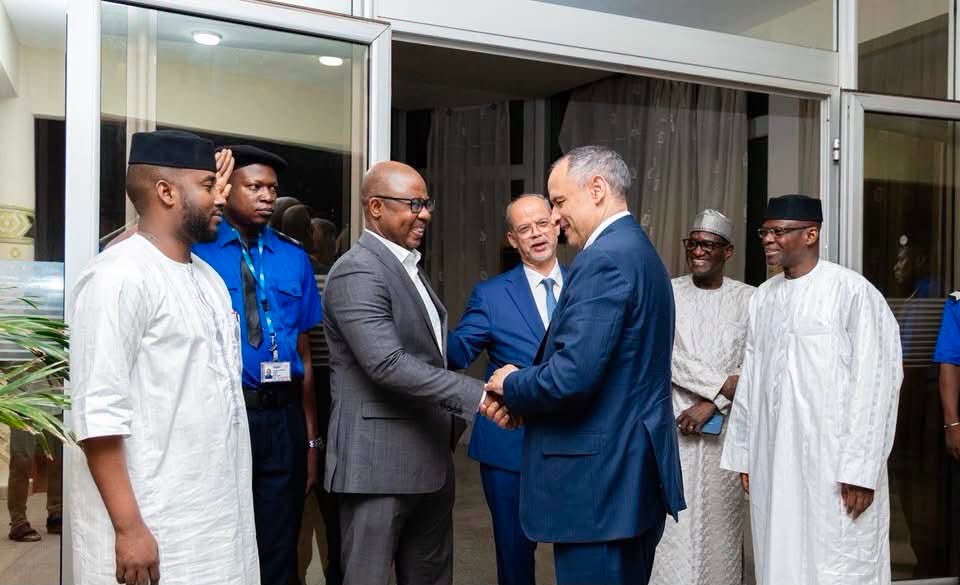
Mali and Morocco strengthen ties with fourth joint commission in Bamako
The long-standing partnership between Mali and Morocco is set to reach new heights this July. The Malian Ministry of Foreign Affairs and International Cooperation has confirmed the launch of the fourth session of the Great Joint Cooperation Commission, scheduled to take place in Bamako from July 21 to 24, 2026.
This high-level gathering will unite government officials, economic experts, and business leaders from both nations to shape the future of bilateral collaboration. Over four intensive days, participants will assess ongoing initiatives, celebrate achievements, and explore fresh opportunities to deepen economic and strategic cooperation.
From dialogue to action: a structured agenda
The event follows a carefully designed structure. On July 21 and 22, technical experts will lay the groundwork by reviewing current projects and identifying gaps. The core ministerial meeting on July 24 will finalize agreements and set long-term priorities.
Sandwiched between these sessions, the Mali-Morocco Business Forum on July 23 will serve as a catalyst for economic ties. This platform will connect entrepreneurs, investors, and policymakers, fostering partnerships in key sectors and unlocking new investment flows.
Priorities for a shared future
The agenda spans a broad spectrum of cooperation areas deemed critical for both countries’ development:
- Trade and investment – Expanding market access and reducing barriers
- Agriculture and food security – Enhancing productivity and value chains
- Infrastructure and energy – Bridging gaps in transport, electricity, and renewable projects
- Mining and natural resources – Joint exploration and sustainable exploitation
- Healthcare and education – Strengthening institutions and workforce development
- Security and stability – Strengthening regional collaboration
- Culture and youth engagement – Promoting exchanges and shared heritage
The ultimate goal is to transform existing cooperation into tangible outcomes, with a focus on high-impact initiatives that align with both nations’ developmental goals.
Legal frameworks for sustainable collaboration
One of the key outcomes expected is the signing of several memorandums of understanding and cooperation agreements. These instruments will not only formalize new partnerships but also provide a robust legal foundation for future joint ventures in priority sectors. The agreements aim to streamline processes, reduce bureaucratic hurdles, and create an enabling environment for businesses and institutions in both countries.
A vision rooted in mutual trust
The Great Joint Cooperation Commission embodies the shared commitment of Bamako and Rabat to build a partnership based on equality, mutual respect, and shared prosperity. As both nations navigate evolving regional and global challenges, this forum serves as a vital platform to align strategies and reinforce solidarity.
The conclusions of the ministerial session will be particularly significant, as they are expected to outline a roadmap for cooperation over the coming years. Stakeholders from both sides are optimistic that this session will yield concrete steps toward economic resilience, social progress, and regional stability.