why the us is prioritizing security and mineral deals over democracy in Sahel juntas
The United States has signaled a sharp shift in its approach to three West African nations—Burkina Faso, Mali, and Niger—where military-led governments have distanced themselves from France and aligned with Russia. This new strategy emphasizes security cooperation and access to critical minerals, sidelining long-standing concerns about democracy and human rights.
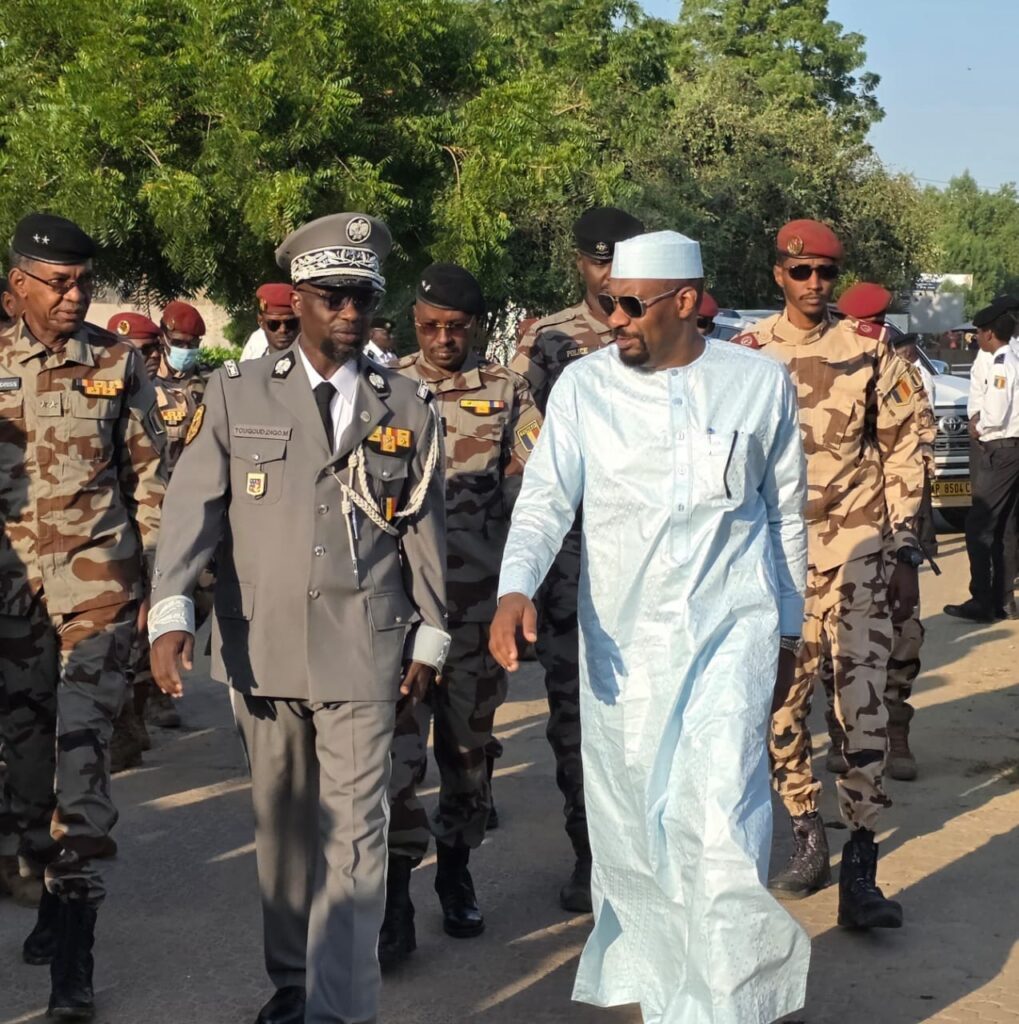
In a move that underscores this pivot, U.S. officials announced a high-level visit to Bamako, the capital of Mali, by Nick Checker, head of the State Department’s Africa Bureau. The visit is framed as a gesture of respect for Mali’s sovereignty and a commitment to forging a “new path” in bilateral relations—one that moves beyond past political missteps. Washington also expressed openness to collaborating with neighboring Burkina Faso and Niger on shared security and economic interests.
The announcement notably omits any mention of the U.S. administration’s traditional emphasis on democracy and human rights in the region. This shift reflects a broader change in U.S. policy under the current administration, which has deprioritized governance concerns in favor of immediate security objectives.
from democracy promotion to pragmatic partnerships
The Biden administration had previously suspended military cooperation with these countries following coups that toppled democratically elected leaders between 2020 and 2023. The ousted leader of Niger, Mohamed Bazoum, remains confined to his residence. However, the new U.S. stance suggests a willingness to overlook these setbacks in governance in exchange for strategic gains.
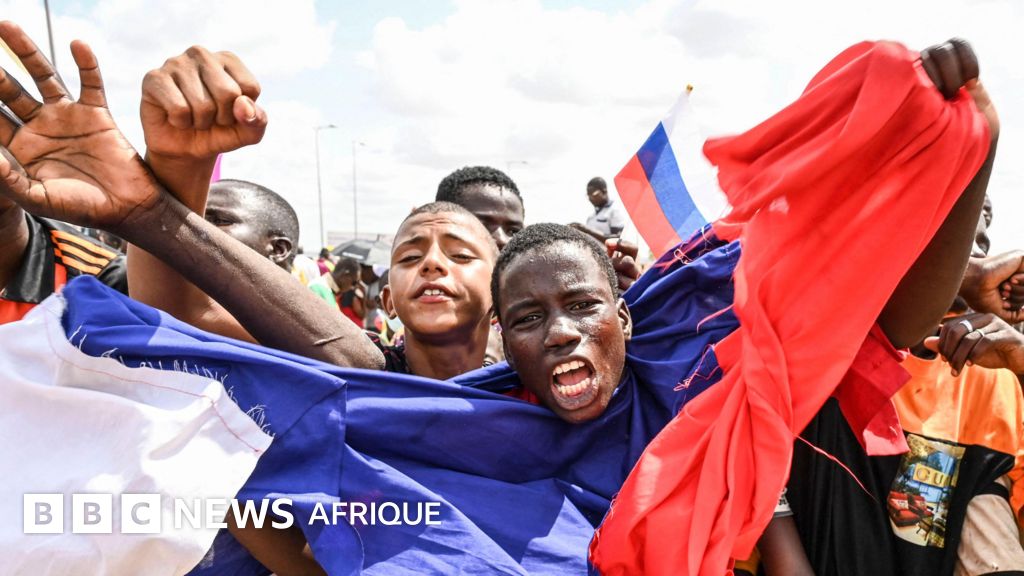
The policy change became evident earlier this year with the closure of USAID operations in the region shortly after the inauguration of the U.S. president. This was followed by a clear focus on security and mineral resources, with development and governance initiatives taking a backseat. The visit by Checker to Bamako further signals Washington’s tacit acceptance of the junta’s rhetoric, which champions panafricanism and rejects French colonial influence.
the captain’s rise: Ibrahim Traoré and the anti-imperialist narrative
Burkina Faso’s military leader, Captain Ibrahim Traoré, has positioned himself as a vocal opponent of “imperialism” and “neocolonialism.” His anti-Western stance, amplified through social media, has garnered significant support, particularly among young people across Africa and beyond. The U.S. administration under Trump has shown little concern for the junta’s rejection of Western-style democratic governance, instead prioritizing strategic interests.
Massad Boulos, a senior Africa advisor to Trump, stated in a 2024 interview with Le Monde: “Democracy is always valued, but our policy is not to interfere in the internal affairs of other countries. People are free to choose the system that suits them.”
This stance represents a stark departure from previous U.S. policy, which had emphasized good governance and environmental issues alongside military support. General Michael Langley, former head of U.S. Africa Command (Africom), had underscored these priorities during his tenure from 2022 to 2025. However, under the current administration, the focus has narrowed to counterterrorism efforts.
the terror threat: why the Sahel is a global priority
The U.S. and Europe remain deeply concerned about the long-term security threat posed by Islamist insurgents in the Sahel, the semi-arid region south of the Sahara Desert. According to some estimates, the area now accounts for half of all terrorism-related deaths worldwide. While most victims are local, the fear is that ungoverned spaces could become havens for extremist groups to expand their influence.
The “three-border region,” where Mali, Burkina Faso, and Niger converge, is a hotspot for jihadist activity. The Islamic State’s West African branch, known as the Islamic State in the Greater Sahara (ISGS), is particularly active here. Recent attacks, such as the assault on Niamey’s airport in Niger, highlight the growing menace.
The Islamist threat also jeopardizes the region’s exports of strategic minerals. Burkina Faso and Mali are major gold producers, while Mali also holds significant lithium deposits—vital for rechargeable batteries and pharmaceuticals. Niger, meanwhile, is a key uranium supplier. The junta in Niger has already taken control of the country’s main uranium mine, previously operated by the French company Orano, and is exploring partnerships with Russia to develop the sector.
balancing russian influence: the u.s. strategy in the Sahel
The U.S. administration appears determined not to cede exclusive influence in the Sahel to Russia. Moscow has deployed around 1,000 private security contractors to Mali, along with smaller contingents of mercenaries or regular troops to Burkina Faso and Niger. Reports of human rights abuses by Russian forces, particularly in Mali, have raised concerns among Western observers.However, U.S. officials have downplayed the risks of Russian involvement. During a visit to Bamako last year, Rudolph Attalah, a senior U.S. counterterrorism official, indicated that Washington was unfazed by Moscow’s military presence. The U.S. now seeks to balance Russian influence by offering its own security partnerships to the juntas in Mali, Burkina Faso, and Niger.
This strategy aligns with Trump’s pledge to end U.S. involvement in “endless wars” abroad. Instead of deploying ground troops, Washington is focusing on providing intelligence support and possibly additional arms. General John Brennan, deputy commander of Africom, confirmed that the U.S. continues to actively support the three military-led governments in their fight against jihadist groups, including the Islamic State.
However, the U.S. is not planning to reopen its drone base in Agadez, Niger, which was shut down after the junta expelled U.S. forces following pressure from the Biden administration to restore democratic governance. The current approach avoids large-scale military deployments while still addressing the region’s security challenges.
regional dynamics: the AES and the future of west african cooperation
In response to international pressure from the Economic Community of West African States (ECOWAS) to restore democratic rule, the juntas in Niger, Burkina Faso, and Mali withdrew from the regional bloc last year. They subsequently formed the Alliance of Sahel States (AES), a confederation aimed at strengthening their collective security and economic ties.
With their departure from ECOWAS, the remaining member states have had to rethink their approach to cooperation with the three juntas. The focus has shifted toward practical collaboration in countering Islamist militants, who increasingly infiltrate neighboring countries such as Benin, Nigeria, Togo, Ghana, and Côte d’Ivoire.
The U.S. intelligence support and potential arms supplies could provide a much-needed boost in combating jihadist fighters. However, as France’s decade-long military deployment in the Sahel demonstrated, high-tech military solutions alone cannot restore peace without addressing the region’s deep-rooted social and economic inequalities.