Withdrawal from the ICC: A Symptom of Distrust in International Justice
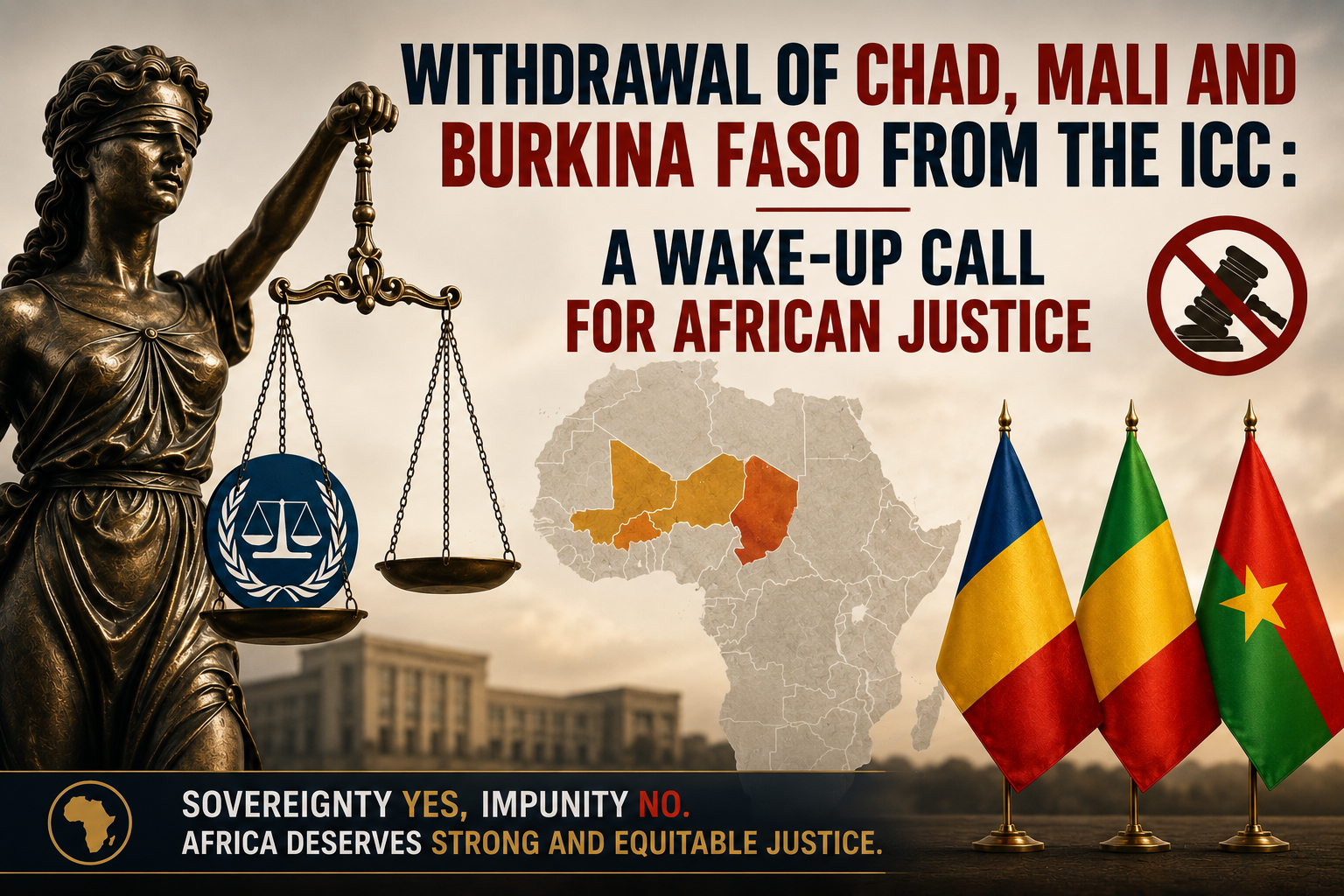
The decision by Chad to follow Mali, Burkina Faso, and Niger in withdrawing from the Rome Statute of the International Criminal Court (ICC) underscores a broader crisis of confidence between Sahelian governments and international judicial institutions. While these nations cite sovereignty concerns and the perceived inefficacy of the ICC, their departure raises critical questions about the absence of robust national and regional judicial mechanisms to replace it.
Beyond the ICC: The Underlying Criticisms
The governments involved justify their withdrawal by condemning what they describe as the ICC’s selective application of justice. This critique is not unfounded. Since its inception, the Court has faced persistent accusations of disproportionately focusing on African cases while major global powers remain outside its jurisdiction. Debates about the Court’s independence, operational limitations, and perceived double standards are valid and long overdue for reform.
However, acknowledging institutional flaws does not necessitate abandoning the very tool designed to address grave international crimes. The withdrawal of Sahelian nations does not erase crimes against humanity, war crimes, or other grave violations of international law crimes that continue to demand justice regardless of a state’s legal status.
The Looming Threat of a Judicial Vacuum
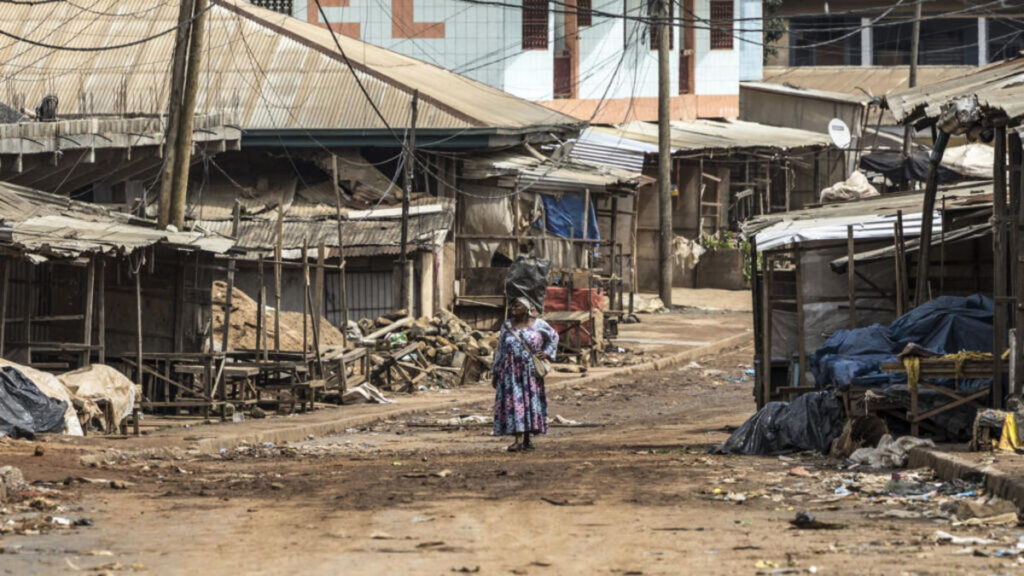
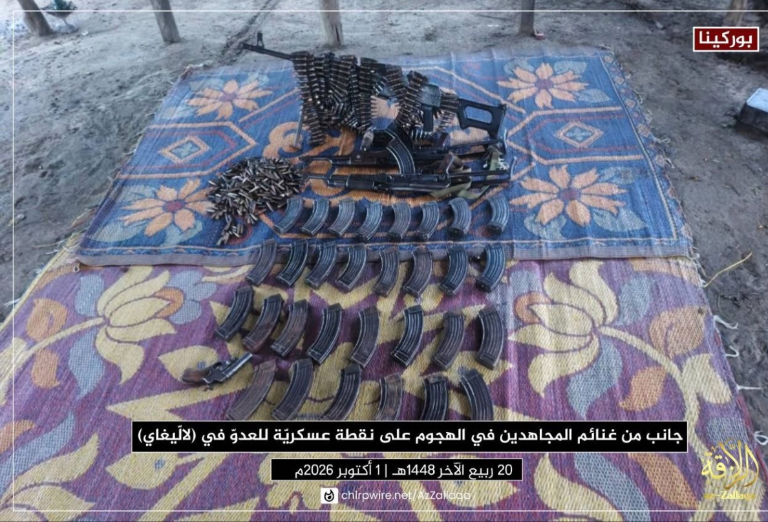
The most pressing concern is the potential for a judicial void in the Sahel. Prolonged conflicts in these nations have been marked by allegations of atrocities committed by both armed groups and state-aligned forces. Human rights organizations have documented widespread violence against civilians, highlighting the challenges victims face in accessing justice and reparations. Reports suggest that the withdrawal of Burkina Faso, Mali, and Niger could further deprive victims of avenues for accountability.
While national justice systems can, in theory, address these crimes and may even offer proximity and speed to victims they must be independent, well-resourced, and capable of investigating all parties involved in a conflict. Without these safeguards, sovereignty risks becoming a shield for impunity rather than a pathway to justice.
What Withdrawal from the ICC Actually Means
It is essential to clarify that exiting the Rome Statute does not immediately absolve a state of all obligations. For Chad, the notification of withdrawal was submitted on July 27, 2026, with the effective departure taking place one year later. Until then, the country remains bound by its responsibilities as a State Party. Moreover, the Court retains jurisdiction over crimes committed during the period when these nations were party to the Statute.
This nuance is crucial: withdrawal is not a switch that instantly eliminates international accountability. Instead, it raises a pressing question: what mechanisms will ensure that perpetrators of international crimes do not exploit the weakening of judicial oversight after exiting the ICC?
The Promise and Reality of African Justice
Proponents of withdrawal often advocate for a more independent African justice system, better suited to the continent’s realities. On the surface, this ambition is commendable. Africa should not be forced to choose between an international justice system perceived as distant and national judiciaries weakened by political instability.
Yet, the promise of African justice must move beyond rhetoric. A credible system requires the ability to investigate crimes committed by all parties including state actors while ensuring judicial independence, witness protection, victim access to justice, and the pursuit of accountability without political interference. The trial of Hissène Habré demonstrates that African-led justice is possible, but scaling this model into a durable institutional capacity remains the challenge.
The Risk of Politicized Justice
The timing of these withdrawals is particularly alarming in light of the Sahel’s political climate. As power becomes increasingly centralized and political freedoms shrink, justice systems risk becoming extensions of state authority rather than impartial arbiters. For withdrawal from the ICC to be justified, governments must demonstrate a commitment to justice that is not merely sovereign in name but also in practice ensuring that no individual, regardless of rank, is above the law.
Without this commitment, sovereignty risks becoming a one-sided shield: a tool to reject external oversight while failing to deliver justice at home. The most vulnerable the victims of conflict stand to lose the most in such a scenario.
The Human Cost of Weakened Justice
For families who have lost loved ones, victims of forced displacement, or survivors of grave human rights abuses, the debates in The Hague may feel distant. Yet, the question of who will investigate, who will listen to testimonies, and who will deliver justice is profoundly immediate. The ICC, despite its flaws slow proceedings, high costs, and political constraints remains a critical safety net when national institutions fail or refuse to act.
The erosion of this safety net could have devastating consequences for victims, leaving them with fewer avenues for redress and perpetrators with greater impunity.
A Broader Crisis for International Justice
The successive withdrawals of Sahelian nations occur at a time when the ICC itself is grappling with institutional challenges, including leadership transitions and mounting international scrutiny. Each departure further diminishes the Court’s authority and geographic reach, potentially encouraging other states to prioritize short-term political interests over the principle of universal justice.
A credible international justice system must apply equally to all. This universality demands that states submit to independent mechanisms, even when such scrutiny is politically inconvenient.
The Path Forward: Building Credible Alternatives
The withdrawal from the ICC should not be seen as an end in itself. If Sahelian governments are serious about advancing sovereign justice, they must take concrete steps: strengthening national courts, guaranteeing judicial independence, protecting witnesses, documenting crimes, ensuring victim reparations, and establishing regional mechanisms capable of prosecuting the most serious offenses.
Only then can the discourse on judicial sovereignty move from rhetoric to reality. Otherwise, the region risks trading an imperfect international system for one that is even more perilous a landscape where victims have fewer legal recourse and powerful actors face fewer consequences.
The debate over the ICC should not be framed as a false dichotomy between “African sovereignty” and “international justice.” The true challenge lies elsewhere: ensuring that no political leader, military official, armed group, or influential figure in Africa can evade accountability. It is this principle that Sahelian governments must uphold not through withdrawal, but through the construction of justice systems that are as formidable as the crimes they seek to address.