Libreville’s urban rebirth under Oligui Nguema’s accelerated vision
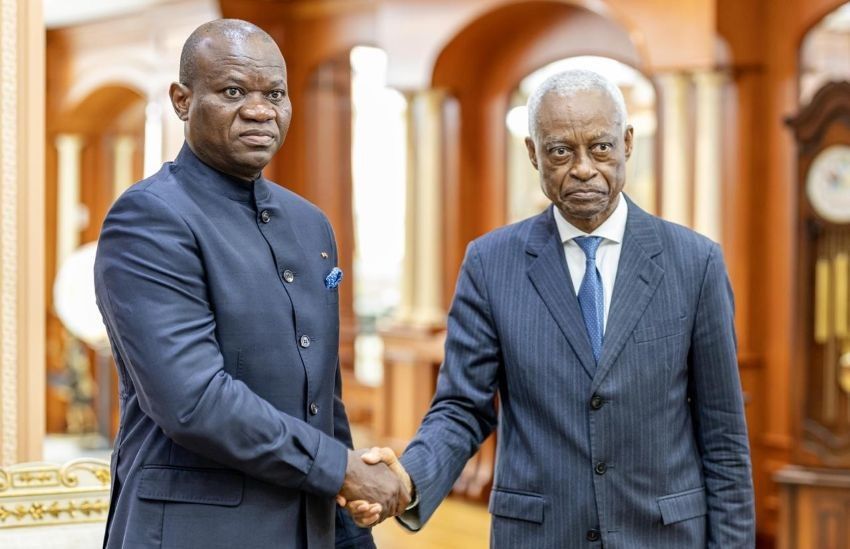
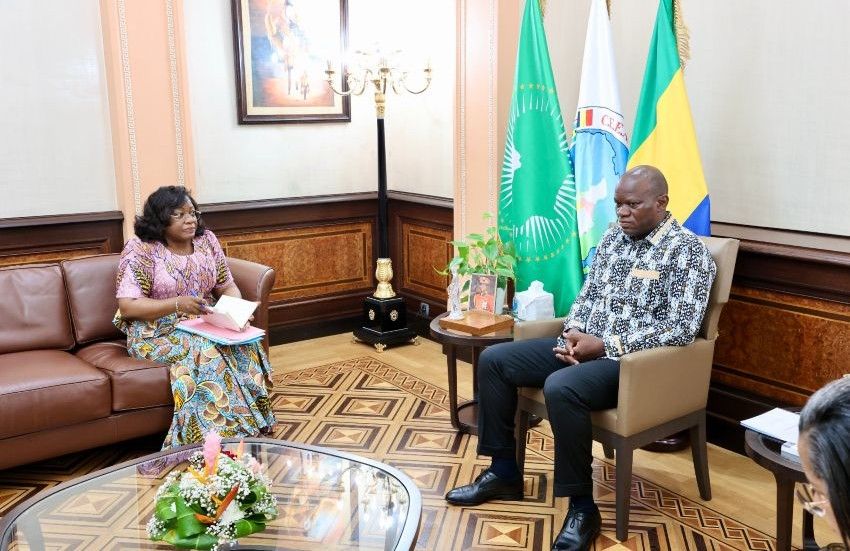
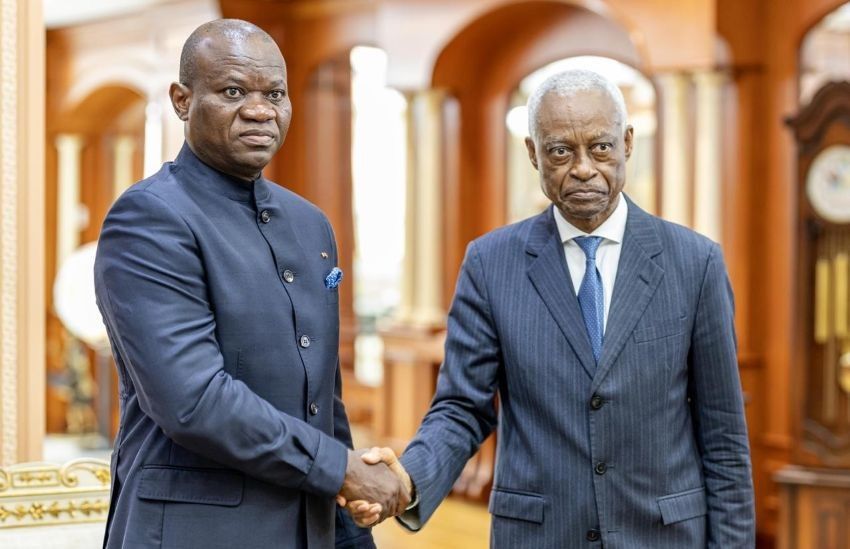
Libreville, June 3, 2026 – The transformation of Gabon’s capital has entered a decisive phase under direct presidential supervision. During a meeting with Mayor Eugène Mba, President Brice Clotaire Oligui Nguema placed municipal governance at the heart of the nation’s modernization strategy.
The encounter, part of ongoing oversight of local administration, underscores the government’s commitment to tighter coordination with grassroots authorities to expedite urban renewal across the city.
Municipal leadership under performance pressure
In a detailed presentation, Mayor Mba outlined progress on the action plan he was tasked with upon taking office. The report included a restructured municipal framework and a revised operational roadmap designed to enhance efficiency in managing Gabon’s largest urban center.
This initiative reflects a broader shift toward outcome-based governance, where local leaders are now judged by tangible results and their ability to translate policy directives into visible improvements on the ground. The capital’s administration is being reoriented from routine management to active transformation.
Urban planning priorities for a growing capital
Key discussions centered on structural projects to reshape Libreville’s physical and functional landscape. Among the top priorities are:
- Urban reconfiguration: Redesigning public spaces to improve livability and mobility
- Modern parking infrastructure: Addressing chronic shortages with state-of-the-art facilities
- Green space expansion: Developing parks and botanical zones to counter urban heat and enhance air quality
- Public domain regulation: Cracking down on illegal encroachments to restore order in city spaces
These measures respond to the dual pressures of rapid population growth and persistent urban planning challenges. The ultimate goal is to strengthen neighborhood-level infrastructure to elevate daily living standards and position Libreville as a more organized and competitive metropolis.
Urban cleanliness as a governance benchmark
Waste management emerged as a critical focus area. With ongoing struggles in refuse collection and disposal, the President emphasized the need for swift, systematic intervention. Waste handling—from collection and transport to treatment and recycling—is now treated as a public health priority and a key indicator of municipal performance.
Cleanliness is no longer viewed as a technical issue but as a measure of city governance quality and institutional effectiveness.
Digital transformation to streamline city services
Another pivotal aspect of the meeting was the acceleration of digital reforms within municipal administration. Digitalization is being leveraged to:
- Simplify administrative processes
- Enhance public service quality
- Increase transparency in local resource management
- Secure revenue collection and boost municipal income
This digital shift is part of a wider national trend toward tech-driven public administration, where traceability, accountability, and performance become standard operating principles.
Libreville as a model of modern urban governance
Beyond infrastructure, the President articulated a broader vision: Libreville must serve as a showcase of national modernity. As the country’s political and economic hub, the capital is expected to meet international standards in urban planning, public service delivery, and spatial management.
The Head of State urged the Mayor to lead with rigor, innovation, and measurable impact. This directive signals a break from fragmented urban management toward a cohesive, results-driven approach.
Local governments at the forefront of national development
The meeting signals a fundamental shift in national governance, elevating local authorities to pivotal roles in development. By prioritizing citizen-centric solutions, the administration aims to align policy with the realities of urban life. Libreville is now a testing ground for territorial reform—a barometer of the nation’s transformation credibility.
The success of this agenda hinges on the capital’s institutions to execute, maintain, and scale reforms. Libreville is no longer just an administrative hub; it stands as a litmus test for state modernization.