The 2026 summer transfer window has set the stage for a dramatic reshaping of women’s football, with headline-grabbing moves already reshaping the landscape ahead of the Women’s World Cup in 2027. From elite stars to emerging talents, clubs across Europe and beyond are making bold decisions that could redefine the balance of power in the sport.
why these transfers matter for england’s world cup ambitions
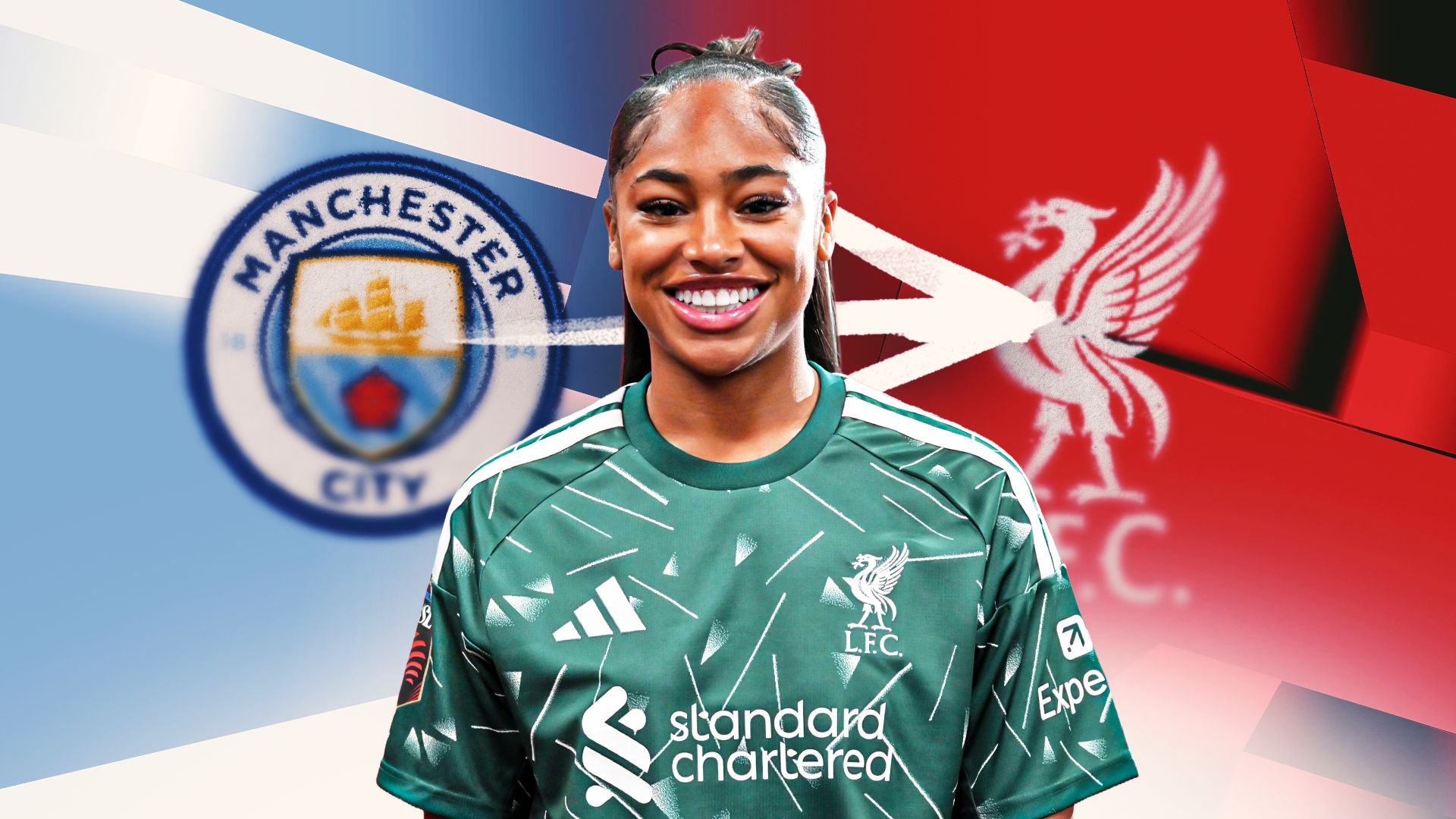
Among the most impactful transfers is the move of Khiara Keating from Manchester City to Liverpool. The young goalkeeper, who has spent over a decade developing at City, joins the Reds as a free agent—a decision driven by her desire for regular playing time. This move significantly boosts her chances of earning a spot in England’s squad for the 2027 World Cup. For Liverpool, Keating brings a rare blend of technical skill and growth potential, aligning perfectly with manager Gareth Taylor’s evolving tactical vision. While Keating’s age and inexperience may lead to occasional errors, consistent game time will help her refine her abilities and solidify her position as a first-choice option.
Keating’s transfer underscores a broader trend: players are increasingly prioritizing playing opportunities over club prestige. For an England hopeful, this shift in mentality could prove crucial in securing a place on the plane to the tournament.
record-breaking deals and unexpected moves
Several other transfers are already making waves. Felicia Schroder’s move from Hacken to Real Madrid represents a financial milestone, with the Swede becoming one of the most expensive players in women’s football following her record-breaking 30-goal season in Sweden. Meanwhile, Alexia Putellas’ switch to London City Lionesses highlights the growing ambition of clubs outside traditional powerhouses, as the double Ballon d’Or winner seeks a fresh challenge in the WSL.
Not all departures are seamless. The loss of Mapí León from Barcelona to London City is a significant blow to the Catalan giants, who must now find a replacement for one of the world’s best central defenders. León’s move to London, where she will play a key role in the club’s push for trophies, reflects the increasing competitiveness of the WSL and the allure of new challenges for top players.
controversial transfers and strategic gambles
Some moves have sparked debate. Niamh Charles’ transfer from Chelsea to Manchester City, while financially lucrative for Chelsea, leaves a void in the Blues’ left-back department. Manchester City, meanwhile, gains depth in defense, with Charles expected to provide competition for Alex Greenwood and potentially shift to her preferred center-back role.
The departure of Georgia Stanway from Bayern Munich to Arsenal is another case in point. Stanway, a key figure for both club and country, leaves behind a Bayern side that struggled to replace her influence in midfield. At Arsenal, she joins a team aiming to reclaim its WSL dominance and add to its UEFA Women’s Champions League credentials.
what’s next for the 2027 world cup?
As the transfer window progresses, clubs will continue to make calculated decisions to strengthen their squads ahead of the tournament. For England, these moves could be the difference between qualification and a last-minute reshuffle. Players like Keating, Putellas, and Stanway are not just changing clubs—they are reshaping the narrative of women’s football and raising the stakes for the 2027 World Cup.
With more surprises likely to unfold, fans can expect a summer of high-stakes drama that will reverberate through the sport for years to come.