The capital city of Lomé is buzzing with financial excitement following the World Bank’s latest approval of a $200 million package aimed at revitalizing the country’s transport infrastructure and reviving its ailing railway network. Official statements are buzzing with optimism, painting Togo as a future logistics powerhouse for West Africa. Yet beneath the polished announcements and ceremonial handshakes lies a pressing concern: how can a reputable financial institution entrust such a strategic investment to a government whose economic leadership is widely criticized for its lack of transparency?
railway revival dreams vs. decades of neglect
The flagship project centers on restoring the railway line connecting the Autonomous Port of Lomé to the Adétikopé Industrial Platform. On paper, shifting freight from congested roads to rail sounds like a game-changer. In reality, Togo’s railway sector has been a graveyard of neglected infrastructure for generations, crippled by chronic underfunding and decades of short-sighted political decisions. Entrusting the management of such a complex overhaul to Togo’s bureaucracy is nothing short of a high-risk gamble.
Togo continues to lag behind in structural reforms and public investment efficiency, repeatedly drawing criticism from international observers. Allocating $200 million without first verifying that the administration has the competence, transparency, and accountability to manage these funds is putting the cart before the horse. At best, this approach smacks of financial naivety. At worst, it rewards questionable governance practices.
logistics hub or financial black hole?
Togo dreams of becoming the gateway to the Sahelian hinterland. Yet the Lomé-Ouagadougou-Niamey corridor tells a different story—one of bureaucratic bottlenecks, cumbersome customs procedures, and systemic corruption that repels even the most resilient investors. Despite its technical strengths, the Port of Lomé remains entangled in corruption scandals that expose just how porous the country’s financial systems have become.
Pouring fresh capital into infrastructure without cleaning up the business environment will yield no real benefit. As long as nepotism and political stagnation continue to paralyze institutions, international donor funds will likely flow into patronage networks rather than into tangible economic progress. By failing to tie funding to strict anti-corruption measures, the international community risks enabling the very practices that keep the country in economic limbo.
a troubling blind spot in global lending
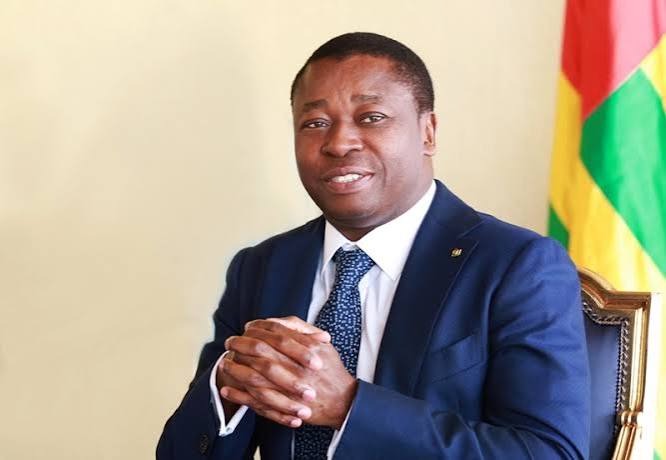
The World Bank’s sudden generosity raises serious questions about its own due diligence standards. How can such a substantial investment be justified when the country faces dire social needs—healthcare, education, and water access—that remain chronically underfunded by the national budget? The administration of President Faure Gnassingbé has mastered the art of crafting high-profile projects to impress development partners, while keeping the nation trapped in a cycle of structural vulnerability.
This $200 million infusion will only deepen Togo’s financial and moral debt burden without ensuring meaningful returns for the people. If Togo truly aspires to international credibility, it must first demonstrate the ability to manage its resources with integrity and accountability. Until then, this latest financial pledge looks less like a lifeline and more like a blank check handed to a government that has long used resource capture as a governing strategy.