world bank allocates $160 million to boost water access and climate resilience in Chad
In a landmark initiative to address pressing environmental and humanitarian challenges, the World Bank has approved a $160 million grant to enhance water security and climate resilience across Chad’s most vulnerable regions. The funding targets one million people—over half of whom are women—living in areas grappling with extreme climate variability and resource scarcity.

a lifeline for communities facing climate extremes
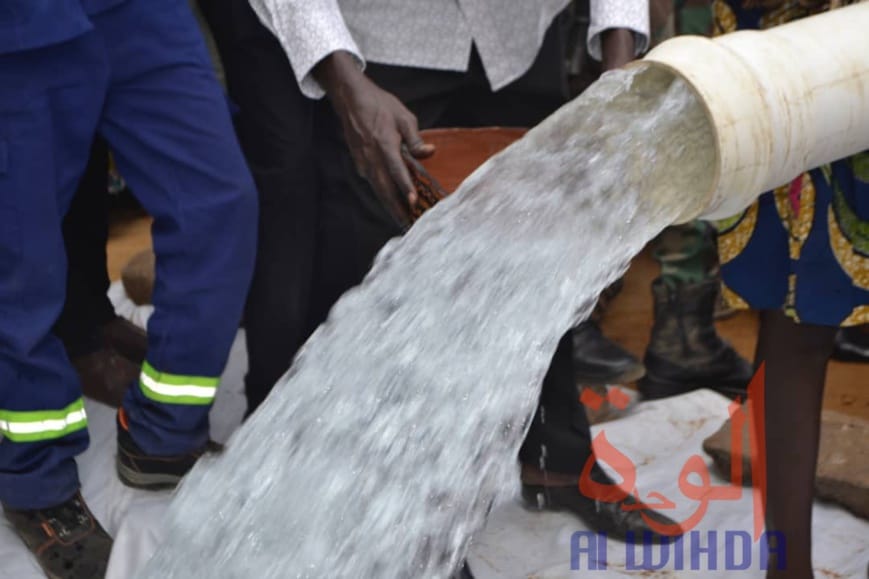
The Water and Climate Resilience Project for Chad (PASER) represents a strategic investment to stabilize communities threatened by climate shocks, forced displacement, and resource-based conflicts. With a focus on sustainable water management, the initiative will improve access to safe water and climate-resilient infrastructure in provinces most exposed to droughts, floods, and land degradation.
Central to the project’s design is the integration of local capacities and economic opportunities, aiming to reduce regional disparities and mitigate tensions exacerbated by water scarcity. Over 1.3 million Sudanese refugees have sought safety in eastern Chad, intensifying pressure on already scarce resources. This project directly addresses these challenges by restoring water access and fostering long-term stability.
funding breakdown and targeted impact
The $160 million commitment includes $80 million from the Window for Host Communities and Refugees (WHR), highlighting the project’s dual focus on supporting both displaced populations and host communities. The initiative aligns with Chad’s Chad Connexion 2030 – Programme 15, a national strategy prioritizing resilience and development over humanitarian aid in displacement-affected areas.
Beneficiaries include residents in refugee-hosting provinces, N’Djamena, and other high-risk localities. The project ensures gender inclusion, with women comprising over 50% of the direct beneficiaries. By strengthening water infrastructure and promoting sustainable practices, PASER aims to transform vulnerability into opportunity, empowering communities to adapt to climate change while reducing the risk of conflict over dwindling resources.
a pathway to stability and development
“This investment is more than just a development project—it is a peacebuilding tool,” noted Farouk Mollah Banna, the World Bank’s Resident Representative in Chad. “By addressing the root causes of fragility—resource scarcity, economic exclusion, and regional disparities—we are laying the groundwork for lasting stability.”
Hawa Cissé Wagué, Acting Director of the World Bank’s Chad Division, emphasized the project’s role in supporting the country’s transition from crisis response to sustainable development. “In partnership with development partners, we are demonstrating how targeted investments can drive peace and resilience in some of the world’s most fragile contexts,” she stated. “Together, we are building a future where Chad’s communities thrive despite climate challenges.”