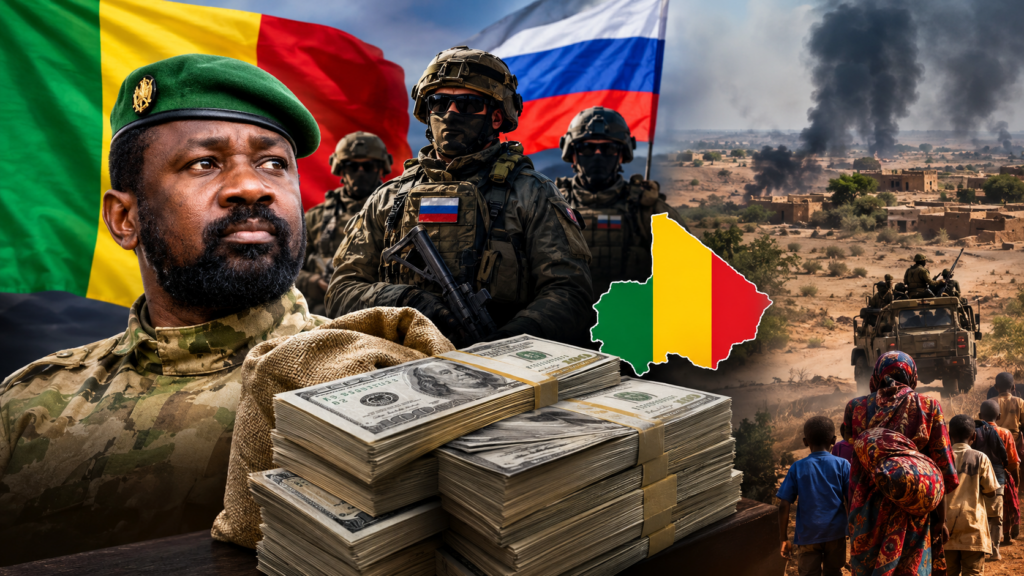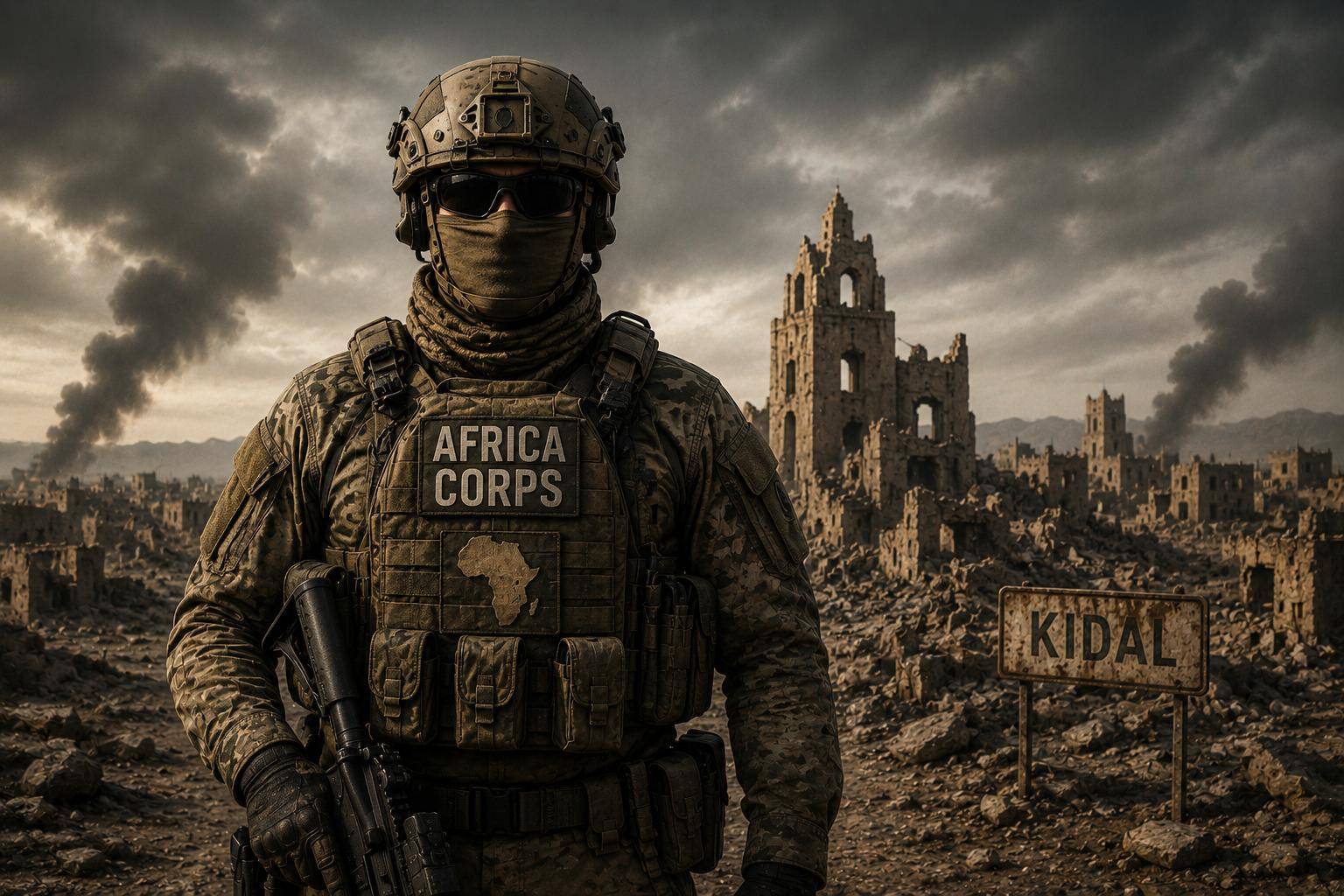
An in-depth analysis of a recent statement from the Africa Corps, Russia’s key allies, uncovers an explosive political truth veiled by military justifications. This significant development, a crucial piece of pan-African news, suggests that the Russians are strategically preparing public perception for a profound shift in their approach to northern Mali. As this story unfolds across Africa news English outlets, two major hypotheses are now taking shape regarding their true intentions.
Hypothesis 1: The Africa Corps is poised to abandon Assimi Goïta
For an extended period, transitional President Assimi Goïta has anchored his public support on a singular, powerful pledge: to reclaim and secure every inch of Malian territory, with Kidal at the forefront. This commitment stood as a potent symbol of Malian national pride and sovereignty. However, the Africa Corps’ recent assertion that Kidal is “worthless” and should be avoided directly undermines President Goïta’s standing. Should Russian forces indeed withdraw their commitment to fighting for Kidal, they would effectively leave the Bamako government isolated, struggling to fulfill its now-untenable promises. This scenario signals the potential beginning of a significant political disengagement, with major implications for African politics and stability in West Africa news.
Hypothesis 2: Implementing a covert agreement with the FLA and JNIM
The nuanced language of the Africa Corps’ publication also suggests an alternative, more clandestine possibility: that the group is already executing a secret pact, negotiated discreetly with the Front de Libération de l’Azawad (FLA) rebels and the Jama’at Nusrat al-Islam wal Muslimeen (JNIM) jihadists. To rationalize ceding ground to these armed factions without appearing to capitulate, Russian communicators employ a convenient narrative: “We haven’t lost; we are merely avoiding a desert trap.” In truth, downplaying Kidal’s strategic value could serve as a calculated maneuver to condition public opinion for a territorial cohabitation or division already brokered behind the scenes.
Ultimately, this communication from the Africa Corps strongly indicates that their initial operational plan in Mali has faltered. For the Africa Corps, the era of outright reconquest appears to be over. This leaves two primary paths for the Russian partners: either they diverge from Assimi Goïta’s hardline stance to safeguard their own strategic interests, or they are formally documenting the abandonment of northern Mali to rebel and Islamist groups through a non-aggression agreement. This unfolding situation remains a critical focus for anyone following African politics and the broader security landscape in West Africa news.