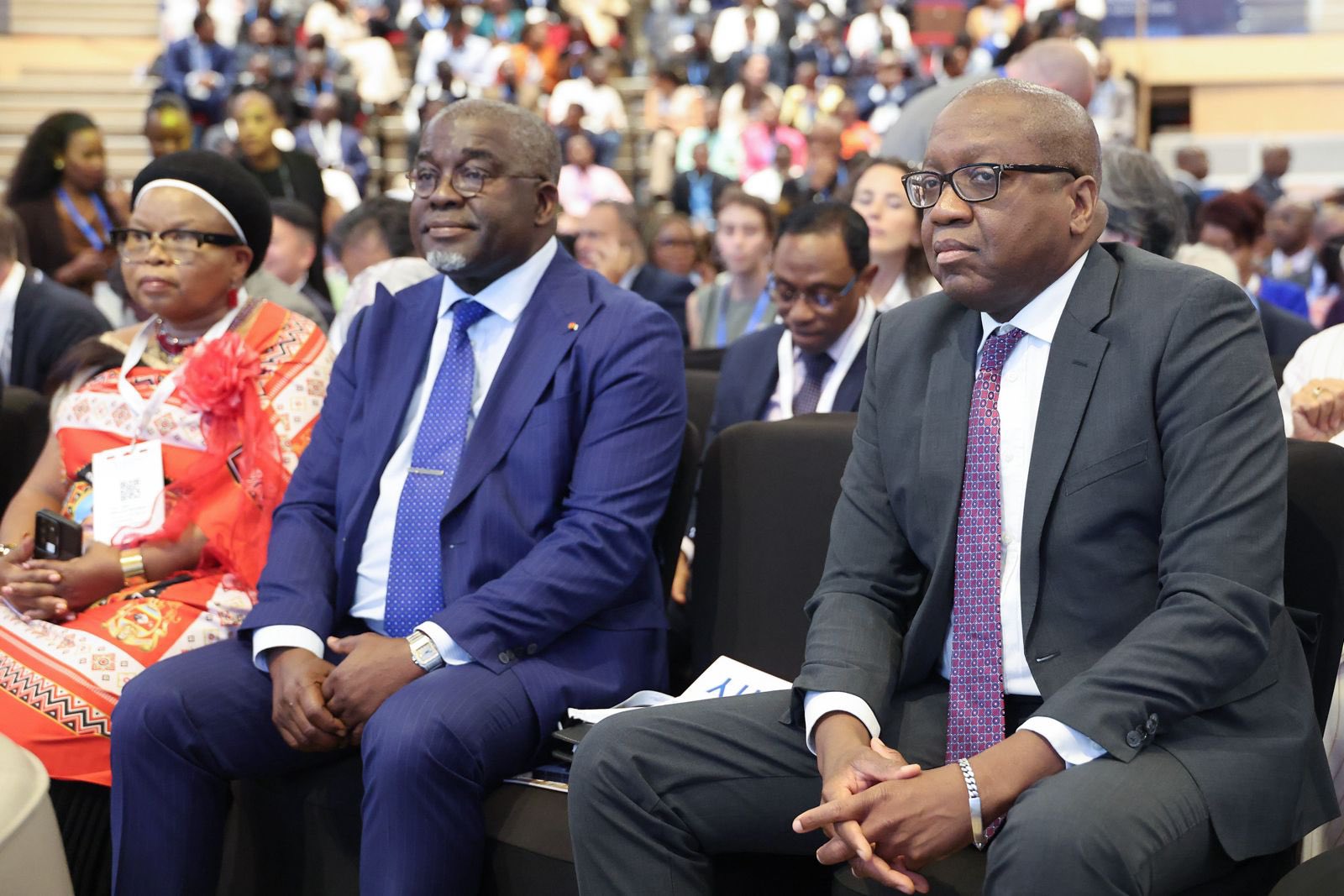
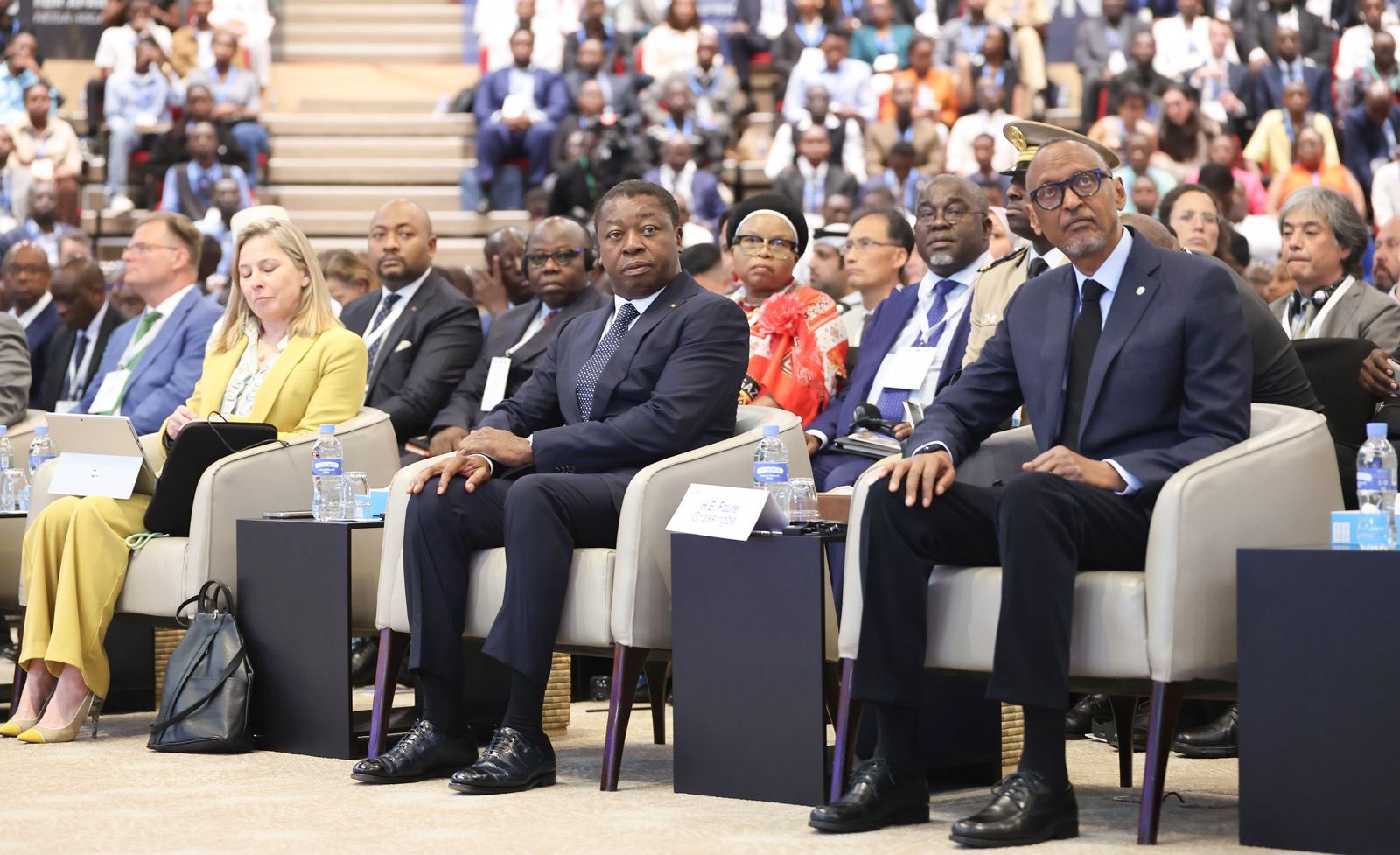
Kigali, May 20, 2026 — The corridors of the Kigali Convention Centre buzzed with urgency as African leaders, nuclear energy experts, investors, and global partners gathered on May 19 for the second edition of the Nuclear Energy Innovation Summit for Africa (NEISA 2026). The event underscored the continent’s growing determination to reshape its energy future and break free from persistent shortages.
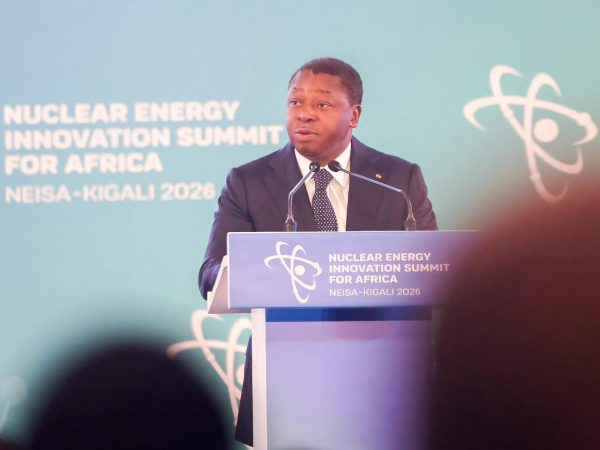
Among the delegates, Togolese President Faure Essozimna Gnassingbé delivered a compelling message: Africa must move beyond merely managing energy crises today to investing in technologies that will power its economic transformation tomorrow.
Speaking to a room of policymakers and industry leaders, Gnassingbé emphasized that energy stability, affordability, and sustainability are non-negotiable pillars for Africa’s industrialization, population growth, and digital economy expansion. Without these foundations, the continent’s broader ambitions risk remaining out of reach.
Nuclear energy emerges as Africa’s next frontier
At NEISA 2026, civil nuclear energy took center stage as a transformative solution for Africa’s energy woes. Once seen as a distant possibility due to cost and technical barriers, nuclear power is now being reconsidered as a viable component of the continent’s energy mix.
Participants highlighted that nuclear energy is no longer just about electricity generation—it’s about energy sovereignty, industrial competitiveness, and long-term security. The Togo delegation championed a strategy built on innovative partnerships, energy diversification, and strengthened regional collaboration to make this vision a reality.
A Togolese blueprint for energy sovereignty and innovation
Gnassingbé’s address in Kigali reflected a broader Togolese vision: positioning energy access as a catalyst for economic growth. The country is actively pursuing international collaborations to secure technical expertise, financing, and cutting-edge technologies.
The summit’s discussions extended beyond nuclear energy, addressing smart grids, energy transition financing, infrastructure development, and local skills training—all critical to supporting Africa’s rapidly expanding energy demands.
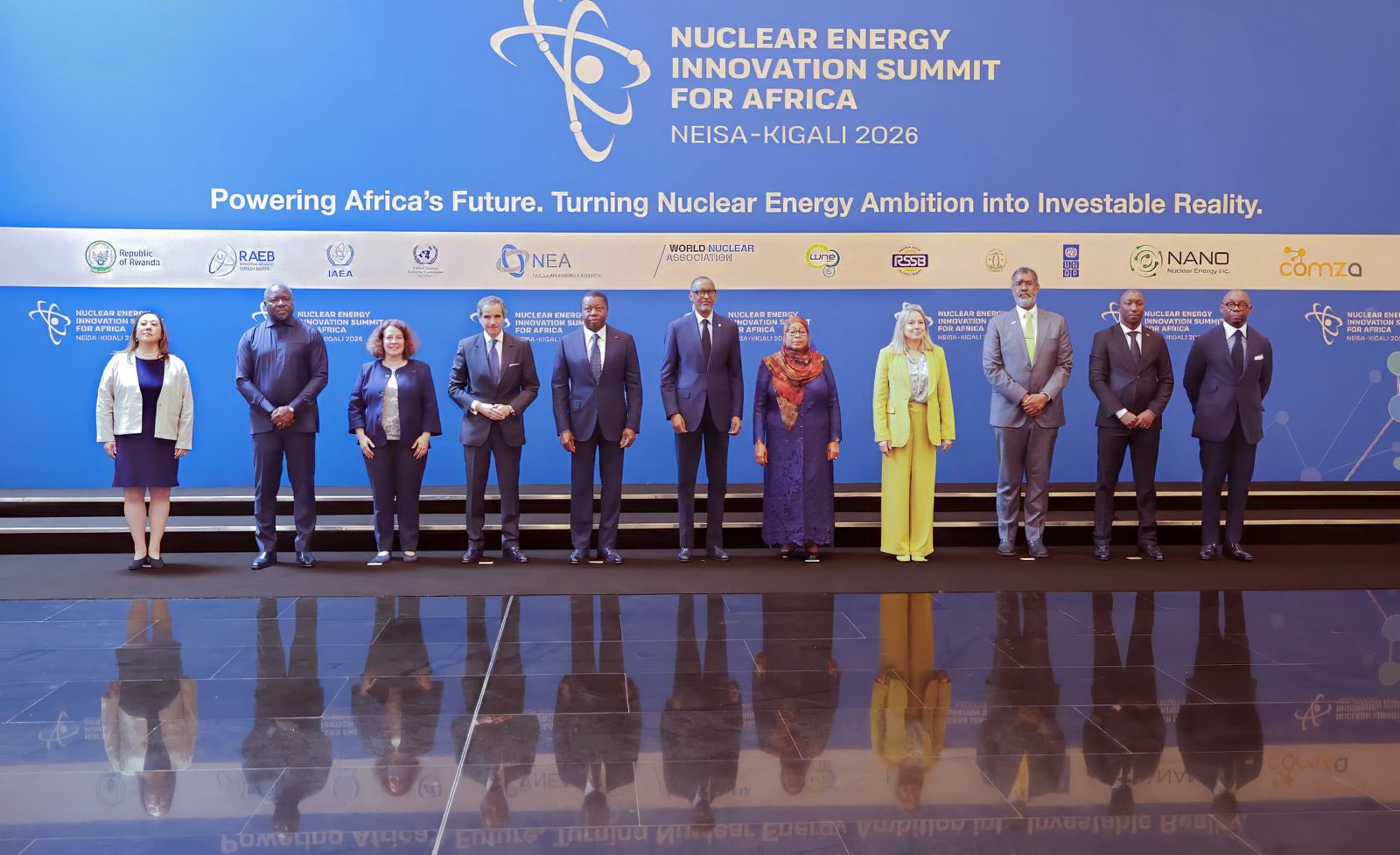
Kigali summit signals Africa’s proactive energy shift
The NEISA 2026 discussions in Kigali were marked by a forward-looking mindset. Leaders agreed that securing Africa’s energy future requires bold, long-term investments capable of keeping pace with rapid technological change and global competition.
Togo’s participation underscored the country’s commitment to this continental shift. By prioritizing regional cooperation, energy autonomy, and innovation, the summit highlighted a pivotal moment: Africa is increasingly taking charge of defining its own energy destiny.