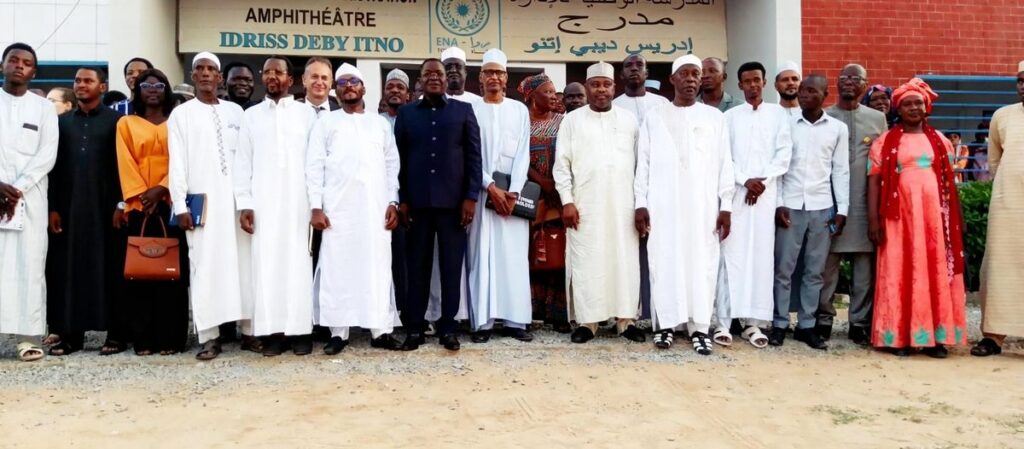
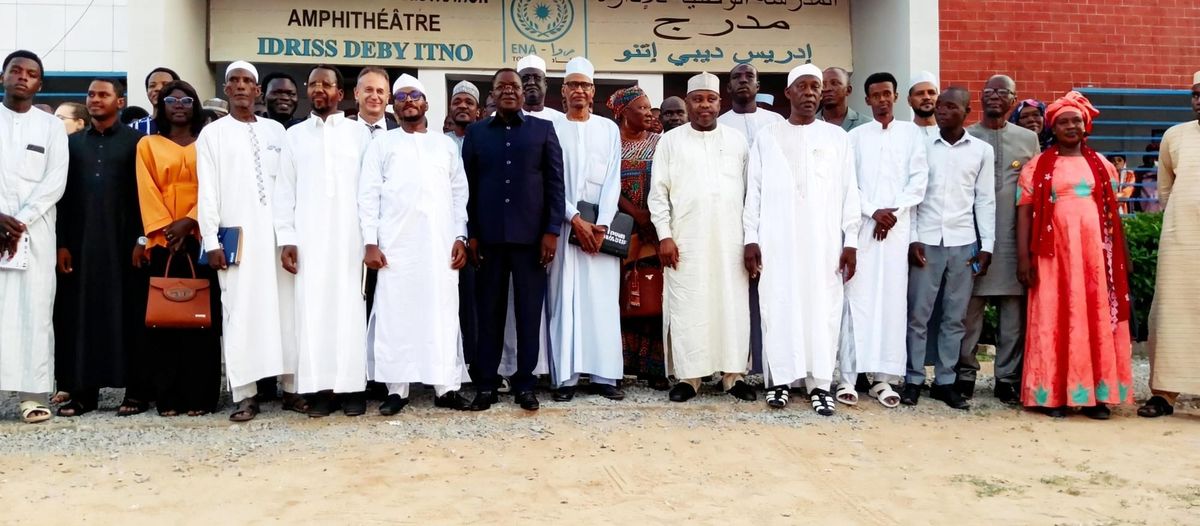
The Idriss Déby Itno amphitheater at the National School of Administration (ENA) was packed with students, civil servants, and political figures as they gathered to hear Albert Pahimi Padacké. The former Prime Minister and current Senator, who also leads the RNDT-Le Réveil party, led a compelling discussion on the role of provincial councils in driving national progress. While he highlighted the immense potential of local governance, his message was primarily a warning against the rigid grip of the central government.
The theoretical promise of local empowerment
During the session, Albert Pahimi Padacké explained that decentralisation is more than just a political concept; it is a vital mechanism for bringing the state closer to its citizens. By empowering local authorities, Chad could foster grassroots initiatives and ensure that national wealth is distributed more fairly. He argued that provincial councils are best positioned to tackle immediate social needs, such as improving healthcare, upgrading schools, and building essential infrastructure.
The Senator emphasised that Chad cannot achieve balanced growth if every minor administrative decision must still be approved by distant ministries in the capital. To him, local autonomy is the only way to ensure rapid and relevant responses to the challenges faced by people in the provinces.
Breaking the cycle of vertical authority
Despite the legal frameworks already in place, the reality of governance in Chad remains heavily centralised. Albert Pahimi Padacké pointed out a significant disconnect between official policy and actual practice, describing a “vertical centralisation” that continues to stifle regional development. He noted that the central administration often shows a stubborn reluctance to transfer real power and, more importantly, the necessary financial resources to local bodies.
He was blunt in his assessment: provincial councils currently exist on paper but lack the actual means to implement their own policies. Without financial independence, he warned, decentralisation remains nothing more than a bureaucratic fantasy. The state’s historical tendency to maintain absolute control over all prerogatives continues to be a major hurdle.
A call for structural transformation
The discussion concluded with a strong plea for courageous institutional reforms. Albert Pahimi Padacké urged the government to move beyond symbolic gestures and show genuine political will by breaking the chains of centralisation. He called on the state to trust local elected officials and transform provincial councils into independent economic engines rather than mere extensions of the central power structure.
The lively debate that followed with the audience of future high-ranking officials confirmed that local governance remains one of the most critical and sensitive issues in the ongoing effort to rebuild the institutional architecture of Chad.