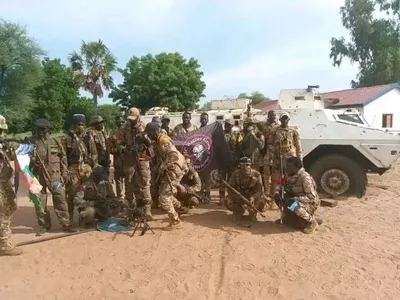
The Alliance du Sursaut Patriotique has publicly accused the United Nations Multidimensional Integrated Stabilization Mission in the Central African Republic (MINUSCA) of providing logistical support to Russian mercenaries operating under the Wagner Group during the Battle of Am-Dafock.
In a strongly worded statement, the coalition of Central African political and civil society figures condemned what they described as unacceptable collusion between UN peacekeepers and armed foreign groups. The denunciation comes after reports emerged of munitions, fuel, and medical supplies allegedly being channeled to Wagner-affiliated forces engaged in combat operations in the region.
Criticism centers on MINUSCA’s alleged neutrality breach
The accusation raises serious concerns about the impartiality of MINUSCA, which has been mandated to protect civilians and support peacebuilding efforts. The Alliance du Sursaut Patriotique argues that such actions undermine the mission’s credibility and directly contradict its official mandate.
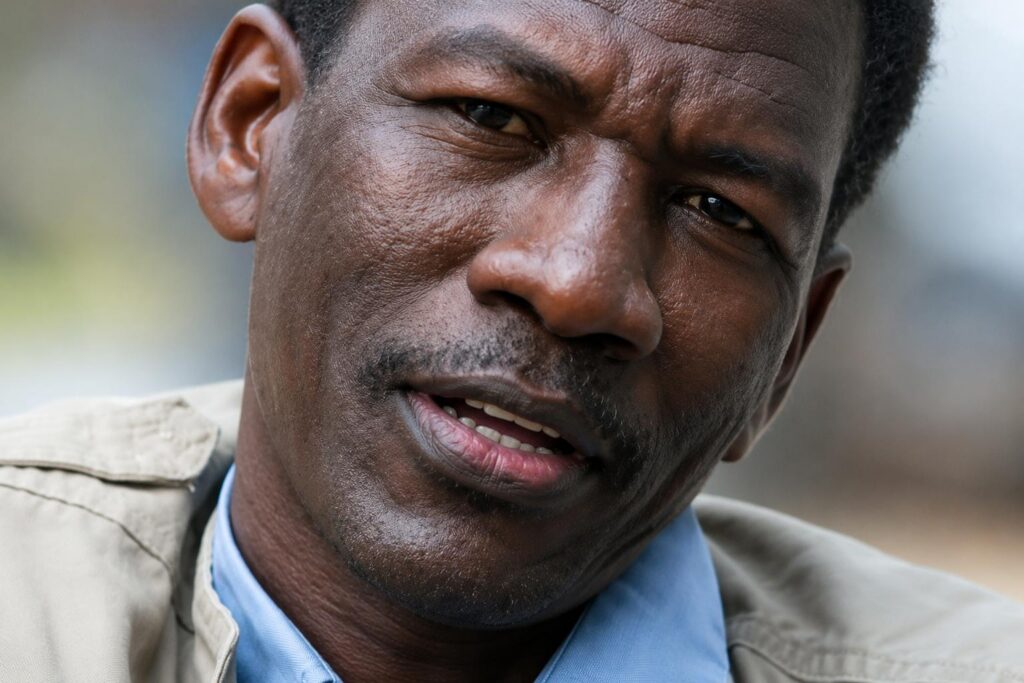
“The presence of foreign mercenaries in our territory is already a violation of our sovereignty,” stated a spokesperson for the alliance. “But when those same forces receive indirect support from an international body tasked with maintaining peace, it is a betrayal of the Central African people.”
Wagner’s expanding footprint in Central Africa
The Wagner Group, a Russian private military company with deep ties to the Kremlin, has significantly increased its involvement in the Central African Republic in recent years. Initially deployed under a bilateral agreement with Bangui, Wagner forces have been accused of human rights abuses, extraction of natural resources, and destabilization tactics across multiple regions.
Defenders of MINUSCA argue that the mission operates under complex operational constraints, often relying on local partnerships to navigate security vacuums. However, critics counter that any form of cooperation with Wagner—even indirect—risks legitimizing a group accused of war crimes and civilian targeting.
What’s next for Central African stability?
The denunciation by the Alliance du Sursaut Patriotique adds pressure on MINUSCA to clarify its actions and reassess its engagement with non-state armed actors. Meanwhile, regional observers are closely monitoring whether this incident will prompt a reconfiguration of peacekeeping strategies or further entrench foreign military influence in the country.
The government of the Central African Republic has yet to issue an official response regarding the allegations.