Bamako under siege: JNIM blockade triggers crisis for civilians in Mali
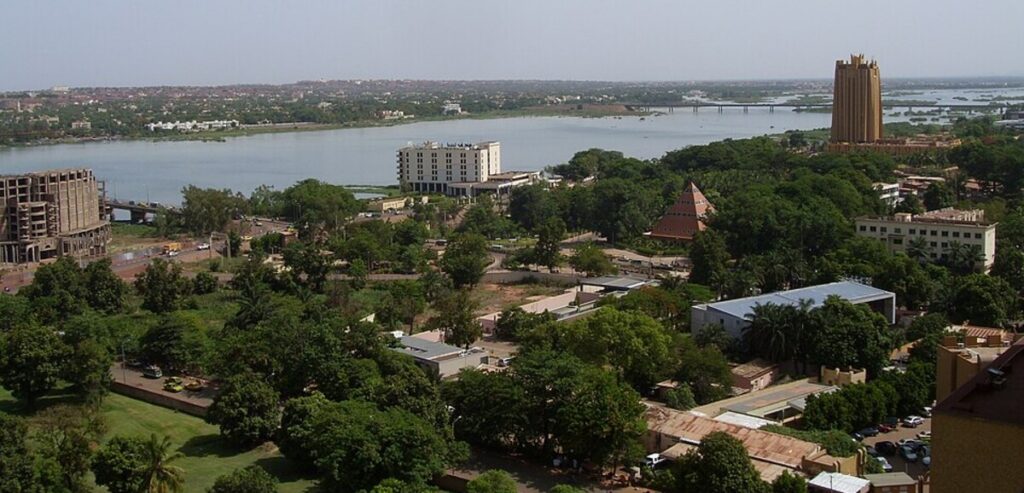
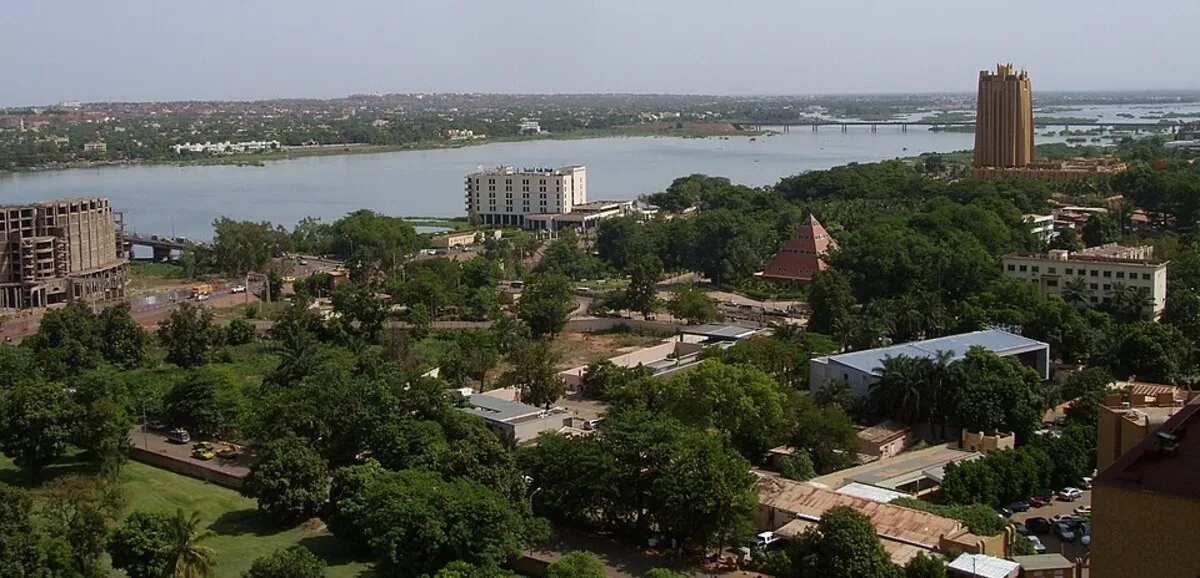
The capital of Mali, Bamako, has been under a crippling blockade since April 30, enforced by jihadist factions led by the Group for the Support of Islam and Muslims (JNIM). The situation has escalated tensions in the region, with Amnesty International issuing a stark warning about the “unacceptable consequences” on civilian mobility and safety.
Humanitarian fallout of the blockade
The siege has disrupted daily life, with Amnesty International highlighting severe disruptions to civilian travel and commerce. In a statement released on May 15, the organization condemned the blockade’s impact on food security, healthcare access, and overall safety for residents. “The blockade has created a humanitarian crisis, leaving civilians vulnerable to grave violations of their fundamental rights,” warned Marceau Sivieude, Regional Director for Amnesty International.
On May 6, an attack on a civilian cargo convoy traveling between Bamako and Bougouni further underscored the risks. The convoy, transporting goods like fruits, was not escorted by military forces and carried no military personnel or equipment. The incident has forced several transport companies to suspend operations to and from Bamako, exacerbating shortages in the capital.
Legal and ethical violations under scrutiny
Amnesty International emphasized that targeting civilian vehicles violates international humanitarian law. “All parties in an armed conflict must distinguish between civilians and combatants,” stated Sivieude. The blockade has also raised concerns about the Front for the Liberation of Azawad (FLA), which joined forces with JNIM and Al-Qaeda in coordinated attacks against the Malian regime on April 25 and 26.
The collapse of transport links has left markets in Bamako struggling to stock essential goods, while residents face mounting difficulties in accessing medical care and other critical services. The blockade’s prolonged duration has pushed the situation to a breaking point, with no clear resolution in sight.
What’s next for Bamako?
As the blockade enters its third week, calls for de-escalation are growing louder. However, the JNIM and allied groups show no signs of lifting the siege, intensifying pressure on both the civilian population and the Malian authorities. The international community’s response remains uncertain, leaving Bamako’s residents in a precarious and increasingly desperate situation.