The establishment of the Senate in Bénin is gaining significant momentum. The government has finalized the initial roster of individuals designated to serve as ex-officio members in this newly formed institution. This group includes former heads of state, past leaders of the National Assembly, and previous presidents of the Constitutional Court.
Founding members of the new chamber
This move marks a significant milestone in the implementation of the upper house of Parliament. The Senate was established following the constitutional amendments enacted in November 2025. The transition into a bicameral system is now becoming a reality as the names of the first participants are revealed.
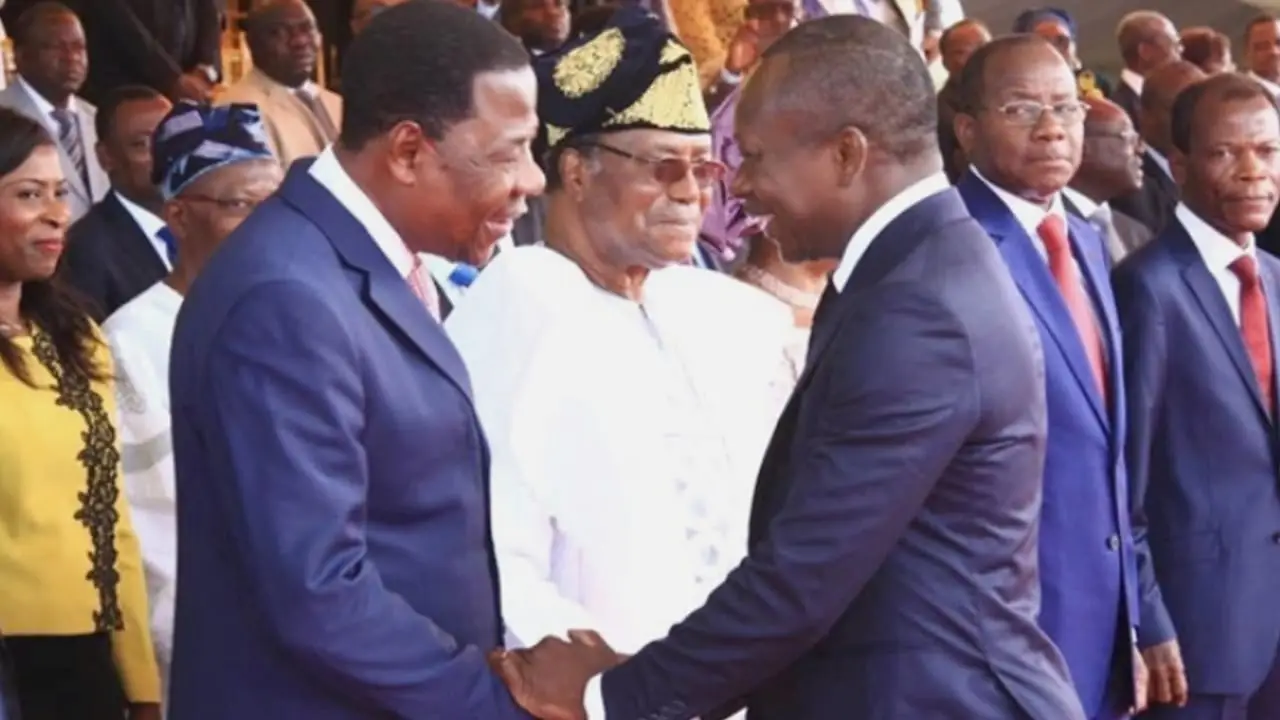
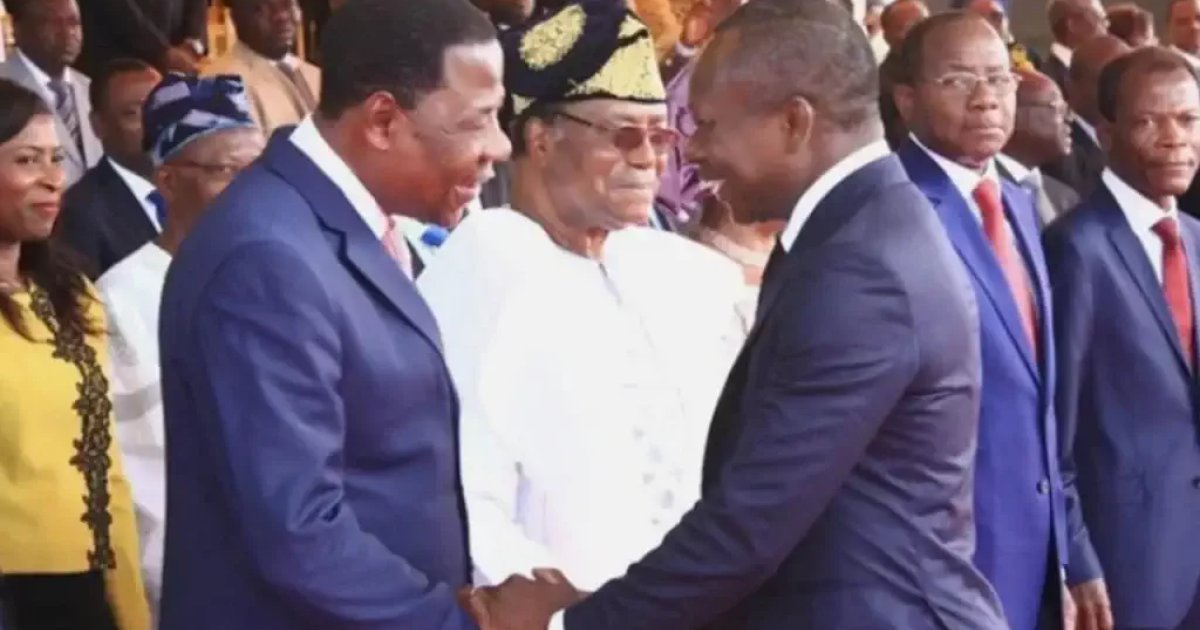
Among the prominent figures slated to join the chamber are former Presidents Nicéphore Soglo, Boni Yayi, and Patrice Talon. Their inclusion stems from their previous roles as the nation’s leaders. Joining them are several former Speakers of the National Assembly, specifically Adrien Houngbédji, Bruno Amoussou, Idji Kolawolé, and Mathurin Nago. These veteran legislators are being integrated into the new body according to the established legal framework.

The judiciary’s former leaders are also represented in this legislative shift. Ex-presidents of the Constitutional Court, including Théodore Holo, Robert Dossou, Amouda Issifou, and Élisabeth Pognon, have been called to serve within the Senate.
Constitutional framework and membership rules
The 2025 constitutional reform introduced this second parliamentary chamber to Bénin’s political landscape. The structure of the Senate comprises both ex-officio members and appointed individuals. According to the governing regulations, the chamber must include these “members of right” alongside others chosen through specific procedures.
To qualify as an ex-officio member, former presidents of the Republic, the National Assembly, or the Constitutional Court must have completed at least half of their respective terms of office. This ensures that the institution benefits from the experience of the country’s most seasoned political and legal figures.