Bénin-Niger border reopening: a step closer with new conditions
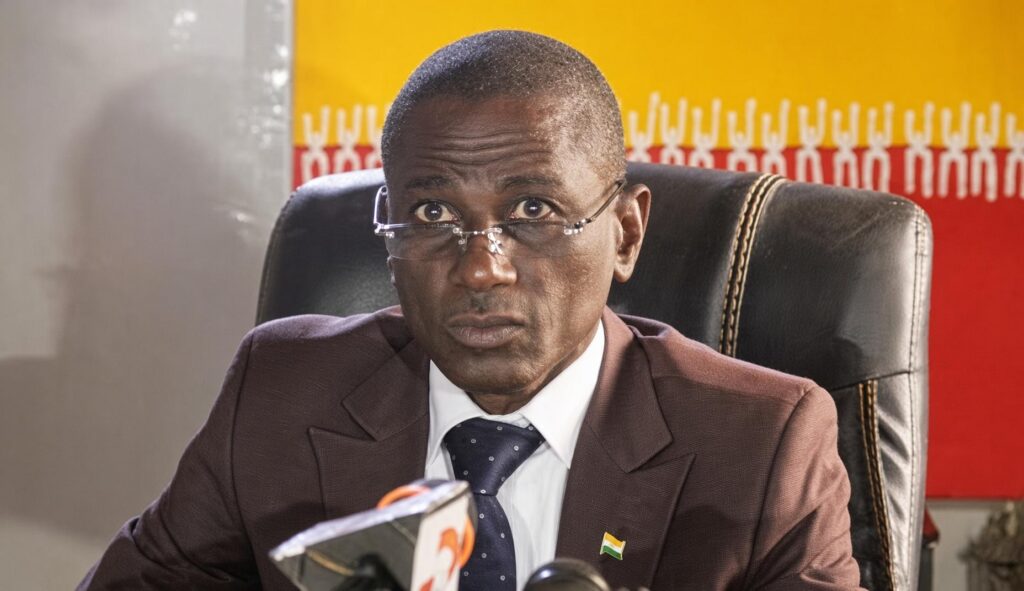
After three years of closure, the Bénin–Niger border may soon reopen. On June 20, Niger’s Interior Minister, General Mohamed Toumba, traveled to Cotonou to engage with experts overseeing the border reopening process. He outlined three critical conditions for the reopening: the signing of a defense pact, a security agreement ensuring neither country uses the other’s territory for hostile purposes, and full transparency regarding foreign military deployments near their shared border.

Diplomatic efforts to revive the Bénin-Niger border
The visit by Niger’s Interior Minister to Bénin marks a pivotal moment in negotiations aimed at restoring cross-border trade and movement. The three conditions set by Niger reflect longstanding security concerns, particularly regarding the presence of foreign forces near their shared frontier. While negotiations are ongoing, both nations recognize the urgency of reopening the border to ease economic and logistical pressures.
Security and defense: the pillars of negotiation
The first two conditions—defense and security agreements—are not new. An existing defense pact between the two countries was terminated by Niger in September 2023, creating a legal void. The proposed agreements aim to restore mutual trust by explicitly prohibiting the use of one country’s territory against the other.
Guillaume Moumouni, a political scientist, emphasized that these conditions are standard negotiation tactics. “Each side enters discussions with high expectations, which are then refined through dialogue,” he noted. For Bénin, rejecting these conditions outright would be counterproductive, especially given the existing defense framework.
Transparency as a trust-building measure
The third condition—transparency on foreign military deployments—stems from Niger’s concerns over perceived threats. Bénin has repeatedly clarified that no foreign bases operate near the border, but Niger remains unconvinced. This issue underscores deeper tensions linked to regional security dynamics, particularly involving France, which maintains military cooperation with Bénin but faces strained relations with Niger.
The dilemma is clear: while both countries have expressed political will to restore relations, lingering suspicions require concrete reassurances. “Niger’s primary goal is to ensure its borders are not exploited for hostile purposes,” Moumouni explained.
Economic and social fallout of the border closure
The three-year closure has taken a toll on both economies. For Niger, the port of Cotonou is a lifeline, and the economic cost of rerouting goods through alternative routes has been substantial. Similarly, Bénin’s trade flows have suffered, with local communities along the border bearing the brunt of lost livelihoods and disrupted supply chains.
“The closure is not solely Bénin’s doing—Niger shares responsibility,” analysts note. The economic strain on both nations underscores the need for a swift resolution. Trade routes must be reopened to alleviate financial burdens and restore stability to the region.
While the conditions set by Niger may seem stringent, they reflect a broader effort to rebuild trust and ensure long-term security. The path forward will require compromise, but the benefits of reopening the border are undeniable for both nations.