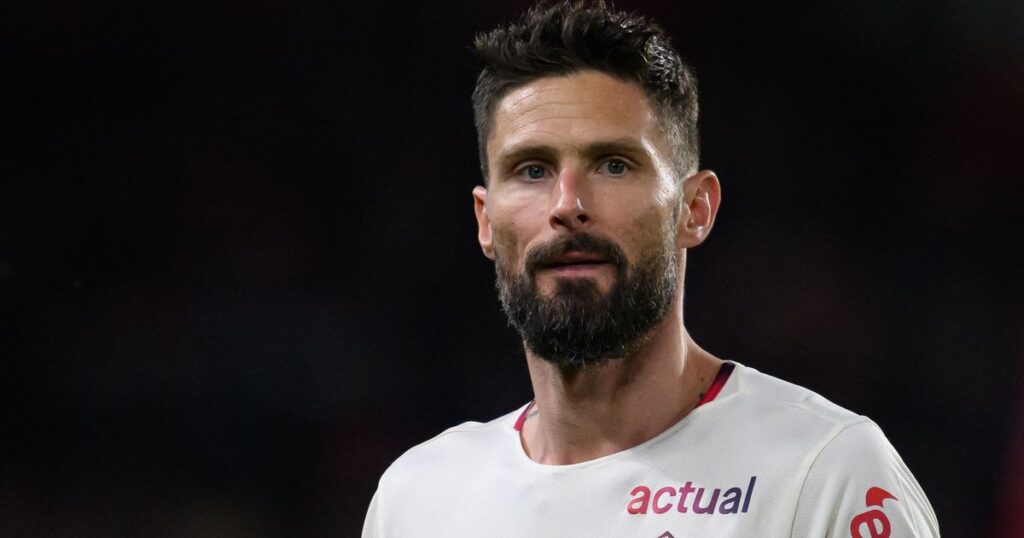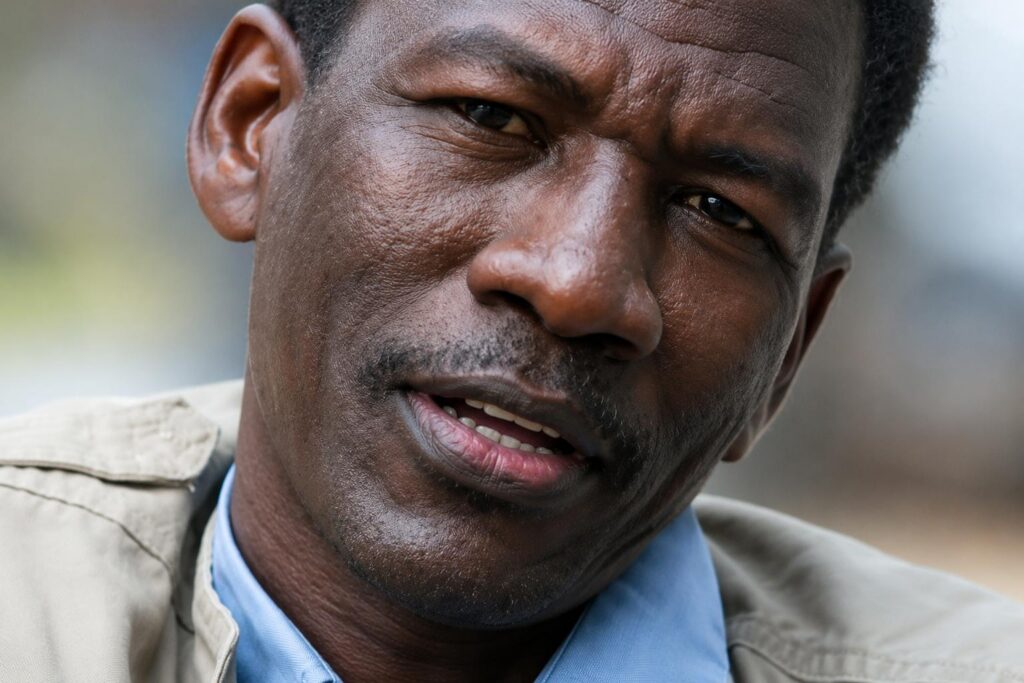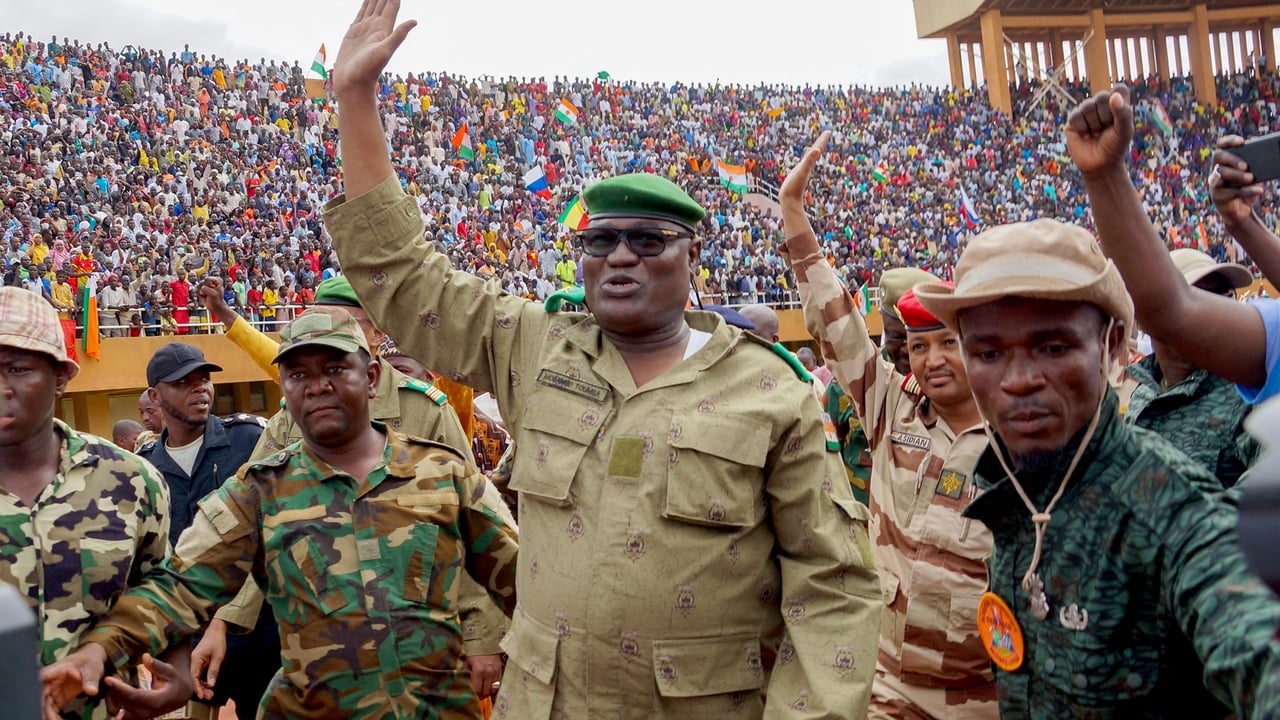

Escalating tensions between Benin and Niger have taken a new turn as Niger’s General Mohamed Toumba demands concrete assurances from Benin’s incoming president Romuald Wadagni ahead of his May 24 inauguration.
what the general said during his televised address
In a lengthy television interview broadcast on April 21 by Niger’s national broadcaster RTN, General Mohamed Toumba, who serves as both Interior Minister and State Minister in Niger’s transitional government, addressed multiple pressing issues—including the country’s worsening security situation. The Tillabéry region continues to face an alarming surge in jihadist attacks, prompting strong rhetoric from the junta.
The interview also touched on the strained relations between Niamey and Cotonou, particularly as President Patrice Talon prepares to step down, making way for his chosen successor Romuald Wadagni. The transition is set to occur against a backdrop of deepening diplomatic friction.
General Toumba did not mince words. “While Patrice Talon has left office, he was never the real issue. The real problem is Emmanuel Macron,” he declared. “We view Talon as someone manipulated by France. He allowed French forces to establish a foothold on Beninese soil, using it as a base to launch attacks against Niger.”
demanding tangible commitments from Benin
When asked what he expects from Romuald Wadagni, the Nigerian official called for clear “signs of goodwill.” He insisted that Benin must publicly declare it has no ties with French interests and must not facilitate the presence of French military or intelligence operations on its territory that could target neighboring countries.
“While Patrice Talon has left office, he was never the real issue. The real problem is Emmanuel Macron.”
General Toumba’s remarks reflect a persistent narrative from Niger’s military leadership, which has repeatedly accused Western powers—particularly France—of undermining regional stability through covert operations and proxy involvement in neighboring states like Benin.
a timeline of deteriorating relations
The current strain in Benin-Niger relations is not sudden. Since the military takeover in Niger on July 26, 2023, led by General Abdourahamane Tiani, diplomatic relations have steadily worsened.
In late January 2024, following the attack on Niamey’s international airport and the nearby Base 101—where a contingent of Russian Wagner Group forces is stationed—General Tiani issued a sharp warning. “We remind the sponsors of these mercenaries, including Emmanuel Macron, Patrice Talon, and Alassane Ouattara, that we have heard enough barking. They should prepare to hear us roar,” he stated, directly accusing France, Côte d’Ivoire, and Benin of involvement in the attack, which was claimed by the Islamic State.
why this matters now
With Romuald Wadagni poised to assume the presidency in Benin on May 24—having won 94% of the vote in the April 12 election—his administration’s stance on regional security and cooperation with Niger is under intense scrutiny. Wadagni has previously expressed cautious optimism about improving dialogue with Niamey.
“I am convinced we can sit down and discuss. We have no other choice,” he stated in a March 23 interview. “The countries in the region share the same challenges: security, poverty, and youth unemployment. And we share a common goal: shared prosperity. The only way to achieve it is by working together.”
He acknowledged that security cooperation with Niger and Burkina Faso “is not yet at the desired level,” but added that military chiefs from the three nations “are in regular contact, and relations are improving.” However, these assurances have done little to ease concerns in Niamey.
The timing of General Toumba’s statements—just weeks before Wadagni’s inauguration—suggests that Niger’s leadership remains skeptical of Benin’s willingness to sever perceived ties with France or to halt cooperation that Niamey views as hostile.
As West Africa grapples with political transitions and regional instability, the evolving relationship between Benin and Niger could significantly impact the trajectory of pan-African security policy and diplomatic alliances across the Sahel.