Bénin parliament to review urgent budget and governance laws
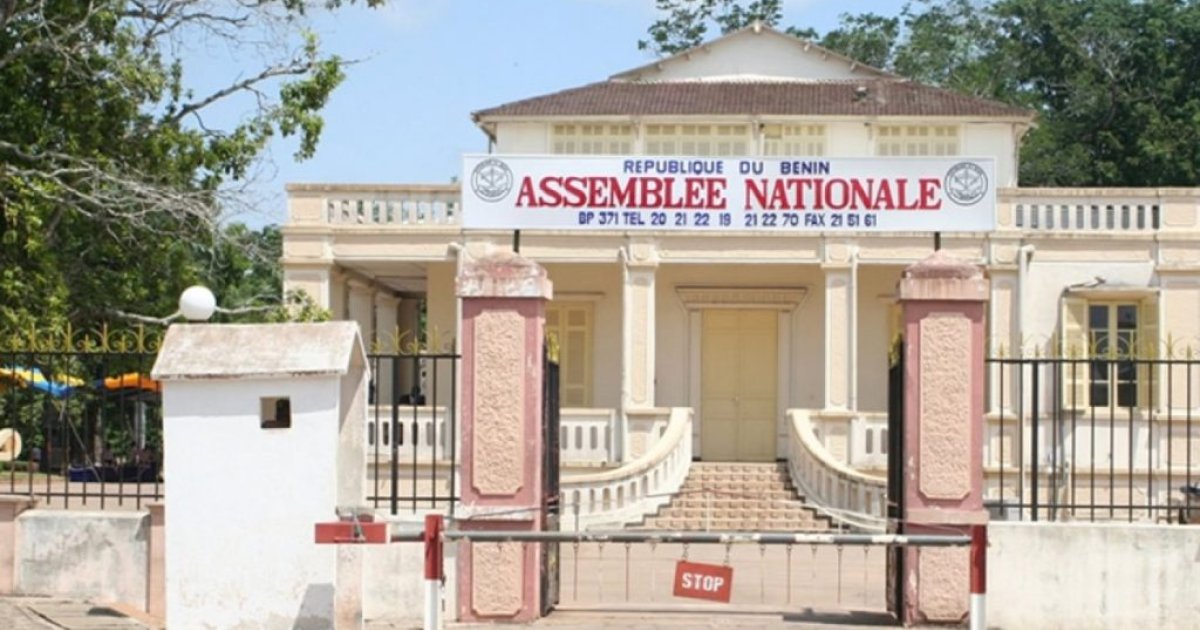
Lawmakers in the Bénin’s 10th legislature are set to convene at the Palais des Gouverneurs this Friday for a critical legislative session. Two priority bills will take center stage during the plenary meeting, both submitted under urgent procedures.
Key bills on the agenda
The first is a revised national budget for 2026, which will be presented to deputies for swift approval. The second focuses on amending the law governing the office of the Médiateur de la République, a key institution for public oversight and conflict resolution.
The urgency of these votes stems from the need to align national policies with the priorities outlined by President Romuald Wadagni following his recent inauguration.
Budget revisions and economic outlook
The revised budget proposal increases total state expenditures from 3,783.98 billion to 4,086.62 billion FCFA — an 8% rise. Despite this adjustment, macroeconomic projections remain unchanged, with GDP growth projected at 7.5%. Personnel costs are slated to decrease by 9.8%, achieved through streamlined administration rather than cuts to planned hires or essential service procurement.
Meanwhile, budget revenues are expected to grow by 2%, and public investment spending will increase by 8.5%, signaling a commitment to infrastructure and development.
Social priorities take precedence
The revised budget places strong emphasis on social welfare and human capital development. New allocations target vulnerable populations, including water points in schools and health centers, expanded nutrition programs for infants and young children, and strengthened universal health coverage. Additional measures include support for homeless children and street vendors.
The education sector receives a major boost with the planned rollout of free tuition for girls in public secondary schools starting in the 2026–2027 academic year. A parallel initiative will fund the construction of school canteen storage facilities to improve meal programs.
Security, health, and infrastructure investments
In response to rising security concerns, the government is increasing funding for public safety, including the expansion of video surveillance networks in major urban centers. The health sector will see accelerated development through the completion of the Calavi International Hospital and upgrades to regional clinics and dispensaries. Public sanitation and transportation infrastructure will also receive significant new investment under the Public Investment Program.
In the face of global price volatility driven by geopolitical tensions, the government will subsidize agricultural inputs to bolster farm productivity and safeguard food security nationwide.
Parliamentary session marks strategic pivot
Friday’s legislative session represents more than a financial vote — it reflects a broader policy shift. The assembly’s swift action underscores the executive’s commitment to translating campaign promises into action, signaling a new phase of governance focused on equity, resilience, and inclusive growth.