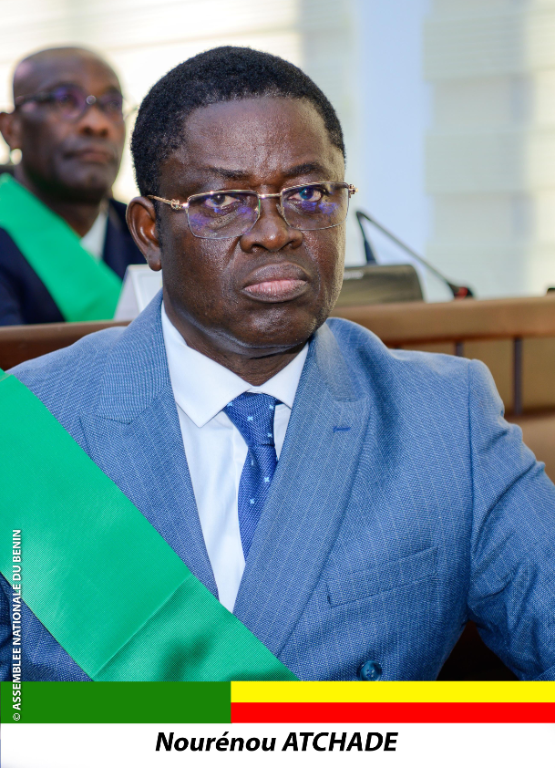
This Sunday, May 24, Romuald Wadagni will be sworn in as the new President of the Republic of Benin in Cotonou, following his victory in the April 12 election. The former finance minister, long seen as Patrice Talon’s natural successor, steps into the role after two terms marked by tightened political controls and rapid economic transformation. The handover ceremony is attended by about fifteen foreign delegations amid a region experiencing major shifts.
Political continuity at the heart of Benin’s leadership transition
As Benin’s Finance and Economy Minister since 2016, Romuald Wadagni has overseen the country’s budgetary strategy and public investment programs that defined Patrice Talon’s two mandates. His ascent to the Marina Palace continues a period of fiscal discipline that has bolstered the country’s standing in global markets. Yet the new president inherits a politically tense environment, following a presidential election from which major opposition parties were excluded.
The economic trajectory remains unchanged. Benin has recorded growth exceeding 6% in recent years, driven by local processing of cotton and soy, and has successfully issued multiple international bonds—including a eurobond operation that set a benchmark for UEMOA sovereigns. Wadagni has been central to these achievements. His challenge lies in maintaining fiscal rigor while expanding social dividends to broader segments of the population.
A bold diplomatic overture to the Sahel alliance
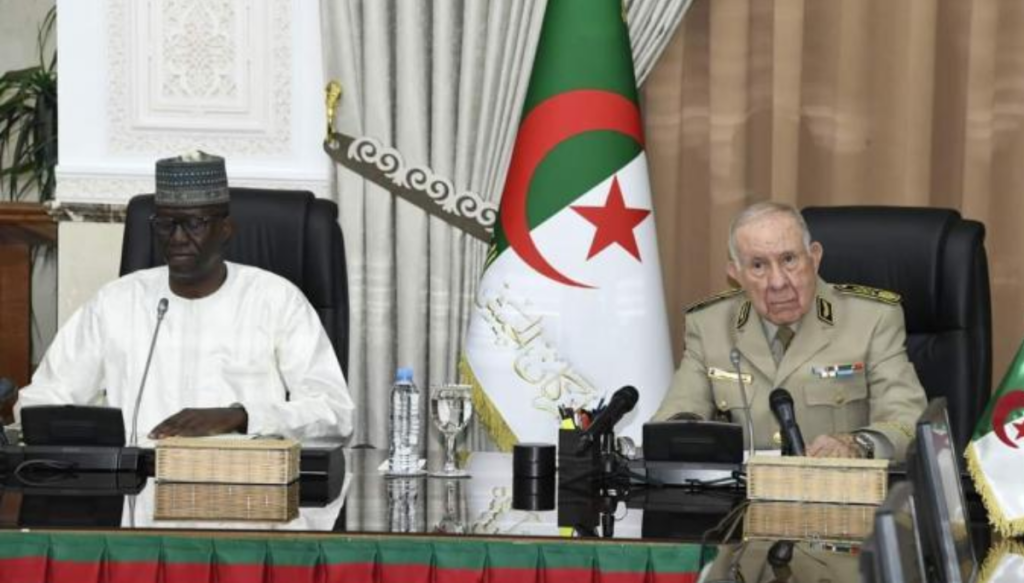
The presence of the Alliance of Sahel States (AES)—comprising Mali, Niger, and Burkina Faso—among the diplomatic guests in Cotonou signals a deliberate effort at regional rapprochement. Since the July 2023 coup in Niamey, diplomatic relations between Benin and Niger have deteriorated, culminating in tensions over the Nigerien oil pipeline routed through Sèmè-Kpodji. Including the AES in the inauguration underscores a clear intent to reduce tensions and reopen dialogue with the military-led governments of the Sahel, especially as the Economic Community of West African States (ECOWAS) faces fragmentation with three member states forming their own confederation.
For Romuald Wadagni, the stakes are high: securing Benin’s northern flank, where terrorist groups threaten the W and Pendjari parks, and safeguarding the logistical corridors that supply the Sahel hinterland via the Port of Cotonou. Restoring cooperation with Niamey, though fragile, is vital to controlling a border stretching over 260 kilometers.
Security, public finance, and regional stability
The security dossier takes priority in the new president’s agenda. Since 2021, the Alibori and Atacora regions have faced rising jihadist incursions from the Sahel, prompting Benin to strengthen its military posture and expand recruitment in defense and security forces. Rebuilding cooperation with Niger, though strained and partially restored, remains essential to securing this porous border.
Economically, Wadagni is expected to continue industrialization efforts centered on the Glo-Djigbé Special Economic Zone, which aims to capture a growing share of West Africa’s textile processing market. Maintaining Benin’s credibility on global markets, managing debt strategies, and reinforcing the Presidency-Investment agency will test both the president’s leadership and the sustainability of a governance model rooted in state technocracy.
Still looming is the question of democratic space. Civil society groups, several Western embassies, and parts of the diaspora are watching closely for signs of reconciliation—whether through the return of exiled political figures or reform of the electoral framework. The tone of the inauguration speech, delivered Sunday at the Cotonou Congress Palace, will be closely analyzed for signals of openness and inclusivity.