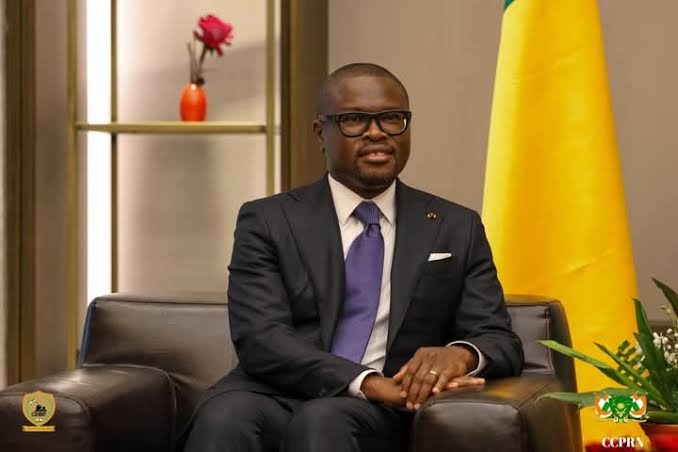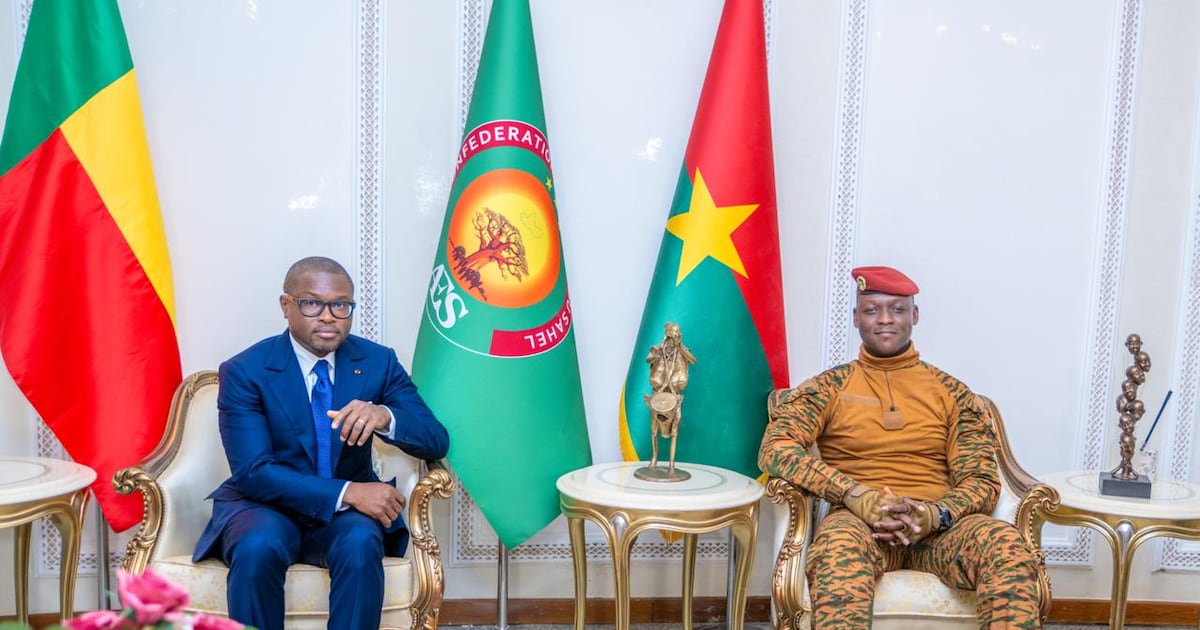
President Romuald Wadagni of Benin concluded a brief yet significant working visit to Burkina Faso this week, marking a pivotal moment in bilateral relations between the two West African nations. Far beyond mere diplomatic protocol, the encounter underscores a shared commitment to reinvigorate the deep-rooted historical bonds that have long connected their peoples.
restoring trust in a region facing multiple challenges
As regional dynamics grow increasingly complex, the outcome of these discussions signals a potential shift toward renewed cooperation grounded in mutual respect and continuous dialogue. The official statement from Burkina Faso’s presidency highlighted that regional security dominated the agenda, with both leaders emphasizing the pressing need to strengthen joint efforts against terrorism, transnational crime, and violent extremism.
President Ibrahim Traoré and President Wadagni reaffirmed their shared resolve to advance peace, stability, and sustainable development across West Africa. This convergence of perspectives comes at a time when neighboring nations grapple with overlapping security and economic pressures.
civil society voices caution amid diplomatic optimism
While some observers welcome the gesture as a step toward continental unity, others urge caution. Boukary Ouédrago, a civil society leader, questioned whether Benin’s engagement reflects a genuine effort to address shared challenges or merely strategic maneuvering. “Today, it would be difficult for Benin to pursue domestic policies without French influence. We must ask whether this rapprochement is sincere or simply another calculation of interest,” he remarked.
Hamed Zizien, a local resident, offered a more optimistic view, stating, “Perhaps the Beninese president has recognized that President Traoré is on the right path. If he came to restore harmony among Africans, he is welcome. The true intentions may remain unclear, but one thing is certain: we are all Africans.”
economic corridors and regional integration
The revitalization of Burkina Faso-Benin relations carries significant economic implications. Benin’s strategic position along the Gulf of Guinea, coupled with its robust port infrastructure, positions it as a critical gateway for trade across West Africa. The 1,000-kilometer trade corridor linking Cotonou’s port to Burkina Faso serves as a lifeline, supplying essential goods such as fuel, consumer products, and industrial inputs to landlocked Sahelian nations.
Enhancing cooperation between the two countries could streamline the movement of goods between Burkina Faso, members of the Alliance of Sahel States, and other West African economies. This development holds the potential to boost intra-regional trade, deepen economic integration, and unlock new avenues for growth across the subregion.
balancing pragmatism and partnership
Despite the promise of closer ties, observers stress the importance of maintaining a balanced approach. Ouédrago cautioned that diplomacy, at its core, is driven by strategic interests rather than sentimental bonds. “In diplomacy, there are no friendships or fraternities—only calculated moves. Vigilance must remain high,” he emphasized.
As both nations navigate a landscape marked by evolving alliances and persistent security threats, the Benin-Burkina Faso dialogue represents more than a diplomatic gesture—it signals a potential blueprint for resilient regional cooperation in an era of uncertainty.