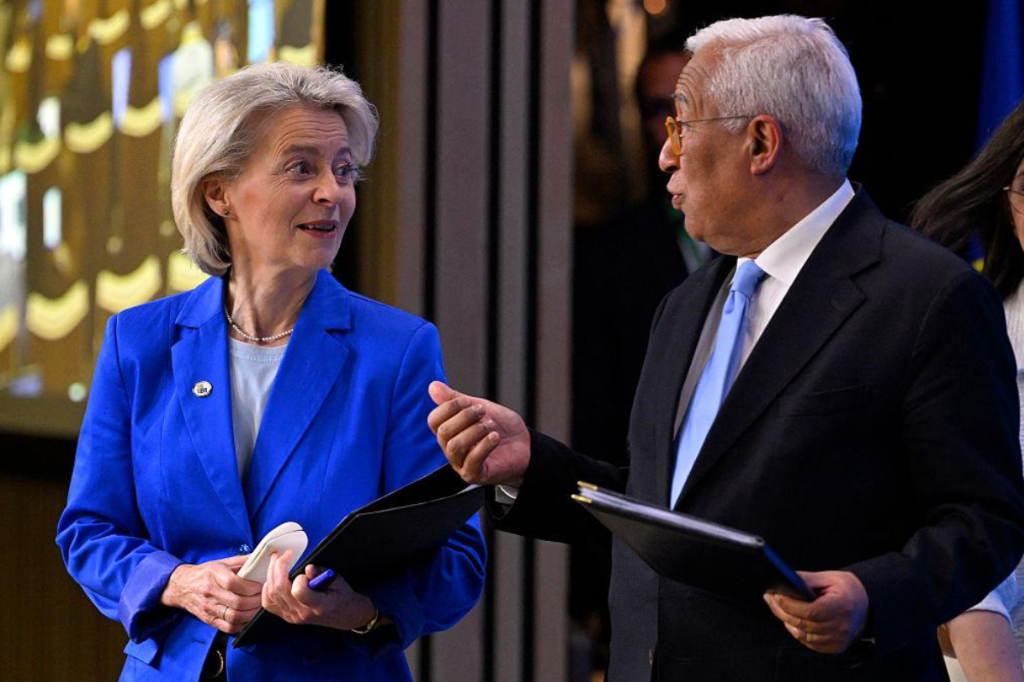
The Bénin has sworn in its first government under President Romuald Wadagni, who took office on May 25, 2026, following the footsteps of Patrice Talon. The new executive team comprises 24 members, with a clear emphasis on continuity rather than disruption. Several key portfolios remain in the hands of seasoned officials from the previous administration, underscoring Wadagni’s long-standing role as Talon’s political successor, particularly as former Minister of Economy and Finance.
Closely aligned with the Talon era
The cabinet lineup, unveiled in Cotonou, features a significant number of familiar faces from the Talon government. This deliberate retention of experienced ministers reflects a commitment to administrative stability, especially as the Bénin government aims to safeguard the strong macroeconomic progress achieved since 2016. The country boasts one of the most robust growth trajectories in the West African Economic and Monetary Union (WAEMU), and Wadagni’s own financial credibility on global markets represents a political asset the new administration is keen to preserve.
The president’s technocratic background—having previously worked with Deloitte—has clearly shaped the composition of his team. Strategic ministries, including Economy, Infrastructure, and Digital Affairs, remain under the leadership of individuals closely aligned with the previous administration. This suggests that major initiatives launched under Talon—such as the expansion of the Cotonou Autonomous Port, the development of special industrial zones, and the digitalization of public services—will continue on their established trajectory.
Six women in the cabinet, but no opposition voices
Out of the 24 ministerial appointments, six are women, accounting for a quarter of the government. While this proportion aligns with the regional average in West Africa, it does not represent a groundbreaking shift. Notably, none of the women appointed hold high-profile sovereignty portfolios, which remain dominated by male figures from the president’s inner circle.
The most politically significant decision, however, lies elsewhere. During the campaign, several opposition figures publicly backed Wadagni’s candidacy, expecting ministerial positions in return for their support. Yet none of them secured a seat in the final lineup. By excluding opposition voices, the new president has chosen to reinforce the existing majority coalition, centered around the Bloc républicain and the Union progressiste le Renouveau. This move raises questions about the sincerity of the political dialogue promises made during the campaign, particularly amid pre-election tensions surrounding opposition parties’ participation conditions.
Economic priorities intact, political compromises delayed
The swift formation of the government, finalized within hours of the president’s swearing-in, signals meticulous preparation. Wadagni appears to have made his selections well in advance, avoiding the institutional uncertainty that often accompanies leadership transitions in West Africa. The Bénin government now has a functional tool to address pressing issues without delay, from implementing International Monetary Fund programs to securing northern borders increasingly threatened by Sahel-based jihadist activity.
Yet, while economic actors may feel reassured by the continuity, the government’s biggest test lies in addressing pressing social challenges. Rising living costs, youth unemployment, and the need for constructive dialogue with civil society demand more than just technical expertise. The absence of any political outreach could prove costly in the coming months, particularly as the majority coalition prepares for upcoming local and legislative elections. The 2026 legislative calendar will serve as an early indicator of the new executive’s ability—or inability—to engage with a political landscape it has, for now, chosen to exclude.