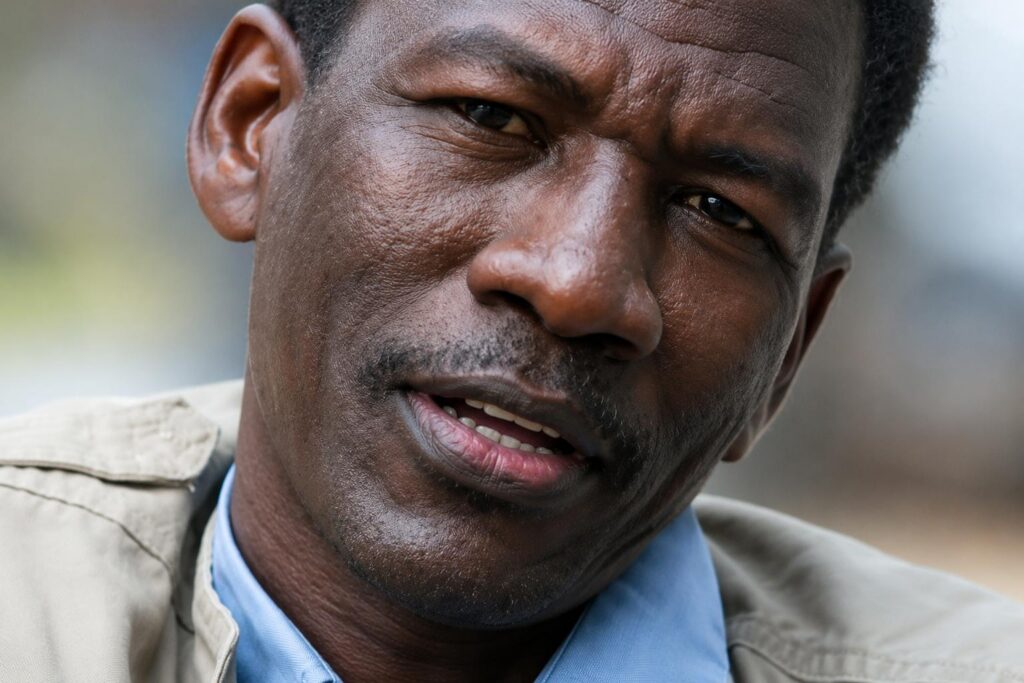
Freshly sworn in as Benin’s president, Romuald Wadagni has embarked on a parallel visit to Niamey and Ouagadougou on June 2, marking his first diplomatic initiative since assuming office. This dual stopover, just days after his inauguration in Cotonou on May 24, signals a clear intent to mend strained relations with Sahelian neighbors led by General Abdourahamane Tiani and Captain Ibrahim Traoré.
Diplomatic thaw: bridging divides in West Africa’s shifting landscape
The timing of Wadagni’s visit underscores the urgency of restoring cooperation between Benin and its northern partners. Tensions have escalated since military takeovers in Niamey and Ouagadougou, prompting a sharp deterioration in bilateral ties. His predecessor’s alignment with the Economic Community of West African States (ECOWAS)—widely seen as adversarial by the region’s new leadership—exacerbated the rift. The former Finance Minister, known for his pragmatic approach, now seeks to rebuild trust through direct engagement rather than formal declarations.
Reviving the Cotonou-Niamey trade corridor: a shared economic lifeline
At the heart of discussions will be the critical trade artery linking Cotonou’s port to landlocked Niger. The imposition of sanctions by ECOWAS, followed by Niger’s withdrawal from the bloc alongside Mali and Burkina Faso, dealt a severe blow to Benin’s logistics sector. Port traffic toward the Sahel has plummeted as alternative routes via Lomé and Tema gain prominence, eroding customs revenues and straining public finances. Reopening borders and dismantling punitive tariffs will be central to any recovery plan.
Security concerns also loom large. Militant activity in the W National Park and along the shared frontier demands intensified cross-border coordination. Benin’s northern regions have faced repeated jihadist incursions, often linked to Al-Qaeda and Islamic State affiliates, making military cooperation with Sahelian forces indispensable.
Balancing ECOWAS membership with Sahelian alliances
Wadagni faces a delicate balancing act: maintaining Benin’s ECOWAS ties while engaging the Alliance of Sahel States (AES), founded in 2023 by Niger, Burkina Faso, and Mali to challenge Abuja’s regional dominance. His challenge is to demonstrate that Benin can pursue independent diplomacy without endorsing military transitions or abandoning its commitments to West African integration.
The symbolic weight of choosing Niamey and Ouagadougou as his inaugural destinations outside the coastal zone cannot be overstated. These visits send a message of reconciliation to historic partners grappling with shared security threats. Success hinges on whether the transitional authorities in both capitals will reciprocate this overture, especially as they deepen partnerships with Moscow and pivot away from traditional West African frameworks.
For Benin, the stakes are high. The viability of its northern economy, the stability of its border regions, and the prosperity of its port-dependent economy all depend on restoring functional ties with the Sahel. Wadagni’s gamble is that pragmatic engagement can yield tangible benefits for both populations and businesses, even amid a fractured regional order.