A mere two weeks before Tabaski 2026, Burkina Faso’s abrupt halt on all livestock exports has left Côte d’Ivoire scrambling to secure 172,000 animals—a task complicated by dwindling regional suppliers. While Ouagadougou frames the move as an economic necessity, the timing and scope of the decision raise questions about deeper diplomatic currents.
The three-line announcement, issued jointly by Burkina Faso’s Ministries of Commerce, Agriculture, and Economy, dropped on May 8, 2026. Effective May 11, all Special Export Authorizations (ASE) for livestock were suspended indefinitely. Operators with valid ASEs had just seven days to complete pending transactions—after which, no live cattle, sheep, or goats would legally cross Burkina Faso’s borders.
Ouagadougou’s stated rationale centers on domestic priorities: « ensuring sufficient livestock supply for national markets » ahead of Tabaski, stabilizing prices, and safeguarding household purchasing power. Yet in Abidjan, the decree lands like a bolt from the blue.
Côte d’Ivoire’s fragile supply chain
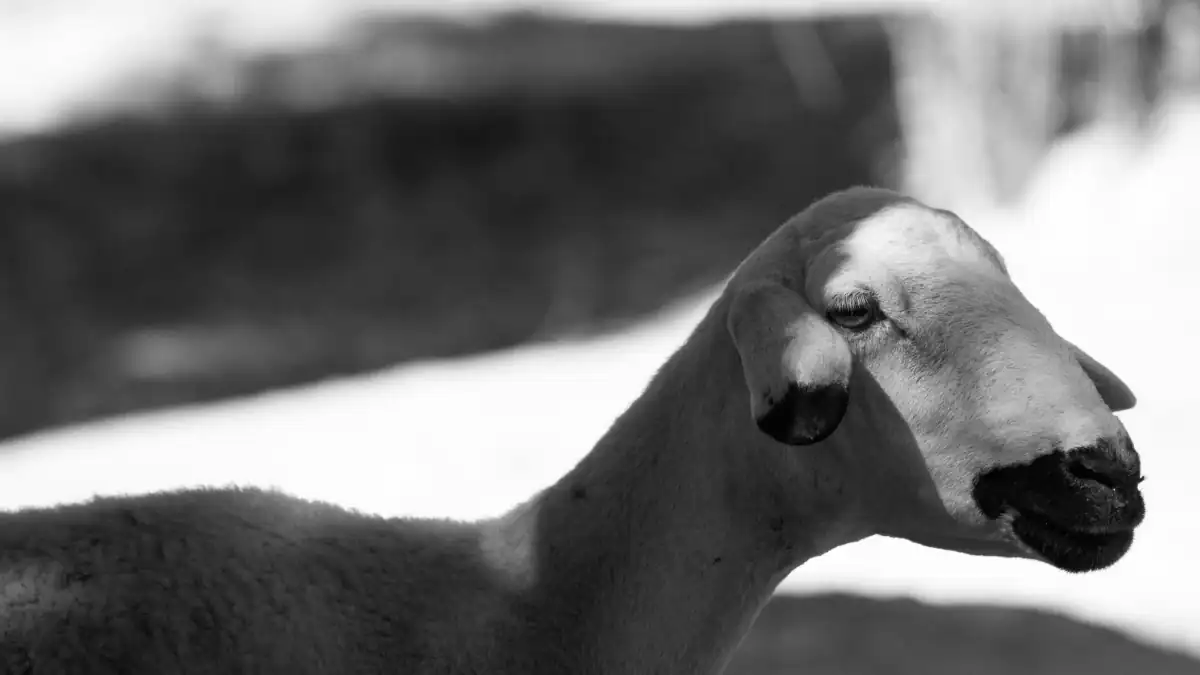
Demand projections for Tabaski 2026 paint a stark picture. Ivorian authorities estimate a need for 172,000 animals, with some projections ballooning to 350,000 when accounting for sheep and goats. Domestic production covers only about 25% of this demand—roughly 87,500 head at best. The remainder traditionally relies on imports from Sahelian neighbors: Burkina Faso, Mali, Niger, and, to a lesser extent, Benin.
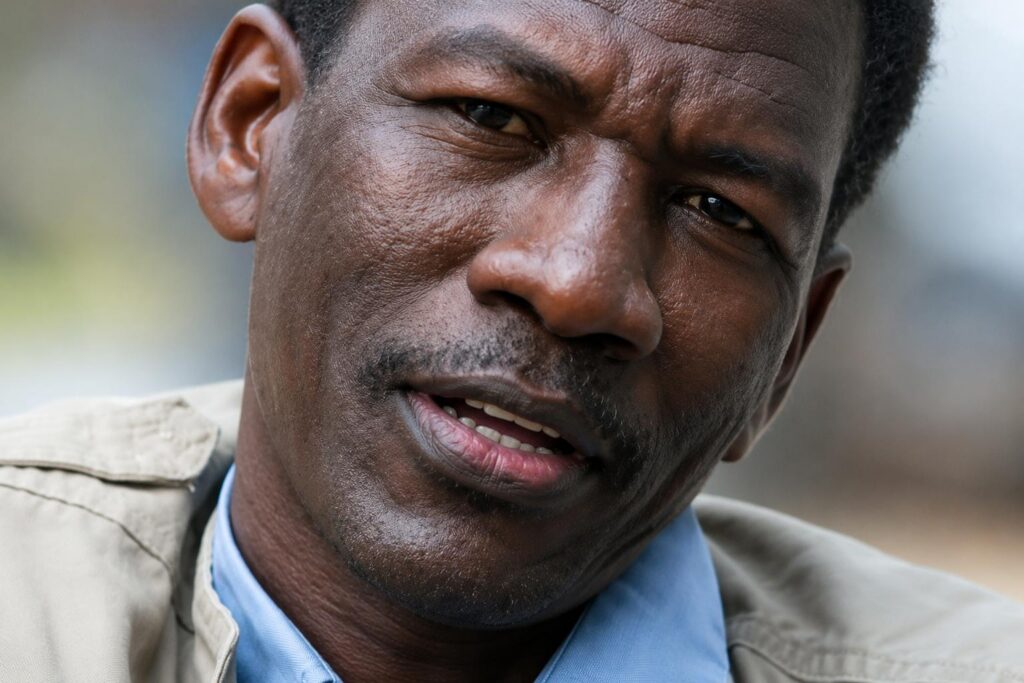
At Yamoussoukro’s livestock market, traders have felt the squeeze for weeks. « Prices have climbed 10% compared to last year », notes Mohamed Touré, spokesperson for Interprix in Yamoussoukro. He points to Sahelian insecurity as the culprit: « Mali and Burkina Faso no longer export due to conflict, and without Niger’s supply, Côte d’Ivoire would face severe shortages. »
With the clock ticking, Ivorian officials sprang into action. On May 11—the same day Burkina Faso’s ban took effect—cabinet director Assoumany Gouromenan met with leaders from the Supreme Council of Imams, Sunnite Organizations, and Structures in Côte d’Ivoire (CODISS). Their plea to Ivorian Muslims? Prioritize local rams for sacrifice. A pragmatic shift, but one that clashes with cultural preferences: local breeds, though hardy, are smaller and less prized than Sahelian sheep.
Burkina Faso’s strategic pivot
Ouagadougou’s move isn’t an isolated incident. It aligns with a broader strategy embraced by the three member states of the Alliance of Sahel States (AES)—Mali, Niger, and Burkina Faso. Niger imposed its own livestock export ban ahead of Tabaski 2025. Burkina Faso, too, has tightened controls in recent years, halting fresh tomato exports and banning day-old chicks.
The goal is clear: transition from exporting live animals to processed meat. The Faso Abattoir Agency, launched in April 2025, symbolizes this shift. According to the National Institute of Statistics and Demography (INSD), Burkina Faso’s livestock exports surged from 400 million FCFA in 2020 to nearly 11.8 billion FCFA in 2024. Live animals now rank as the country’s third-largest export. The suspension, then, strikes at a critical economic pillar—and that’s precisely what lends it political weight.
A diplomatic chess move?
The timing of Burkina Faso’s decision invites scrutiny, given the strained relations between Ouagadougou and Abidjan. Since the September 30, 2022 coup that brought Captain Ibrahim Traoré to power, ties between the two capitals have frayed. In April 2024, Traoré publicly accused Abidjan of harboring « destabilizers » of his regime. By September 2024, Burkina Faso’s Security Minister Mahamadou Sana singled out Burkinabè exiles in Côte d’Ivoire—including former Foreign Minister Alpha Barry—as suspects in « subversive activities. »
Tensions peaked on December 31, 2024, when Traoré recalled his chargé d’affaires Dié Millogo and several consuls from Abidjan. Today, neither country maintains a full ambassador in the other’s capital—only interim chargés d’affaires.
A tentative thaw emerged on December 6, 2025, when Ivorian Minister of African Integration Adama Dosso visited Ouagadougou. The two sides pledged to « consolidate trust » and reaffirmed their status as « two lungs of the same economic and social body. » Yet the communiqué also underscored Burkina Faso’s « firm resolve to act decisively when necessary. »
Five months later, the livestock ban seems to embody that « firm resolve. » While no official link to diplomatic tensions has been drawn, the timing raises eyebrows. The move follows the April 2026 detention death of Burkinabè activist Alino Faso, an episode that reportedly reignited tensions between the two governments.
The suspense hinges on timing
At this stage, it’s premature to label Burkina Faso’s decision a calculated economic lever in its bilateral disputes. Ouagadougou’s arguments—rooted in food sovereignty—align with the AES doctrine, and the domestic urgency is undeniable. By late 2024, Burkina Faso boasted nearly 35 million livestock, including 7.1 million sheep, yet soaring meat prices have strained household budgets.
Still, the ban disproportionately targets Côte d’Ivoire, the historic top destination for Burkinabè livestock. With Mali mired in conflict, Niger likely to follow suit, and Benin unable to fill the gap, Abidjan’s options are vanishingly thin. The true test will be duration. If the suspension lifts promptly after Tabaski, the food sovereignty narrative holds. If it drags on, the political signal to Abidjan gains credibility. In the meantime, Yamoussoukro’s, Abidjan’s, and Bouaké’s markets—and the faith of Ivorian Muslims—will bear the brunt.