
A full year has passed since Tchadian authorities arrested and sentenced Succès Masra, a prominent opposition leader and former Prime Minister, whose detention on politically motivated charges exposes the government’s growing intolerance toward dissent.
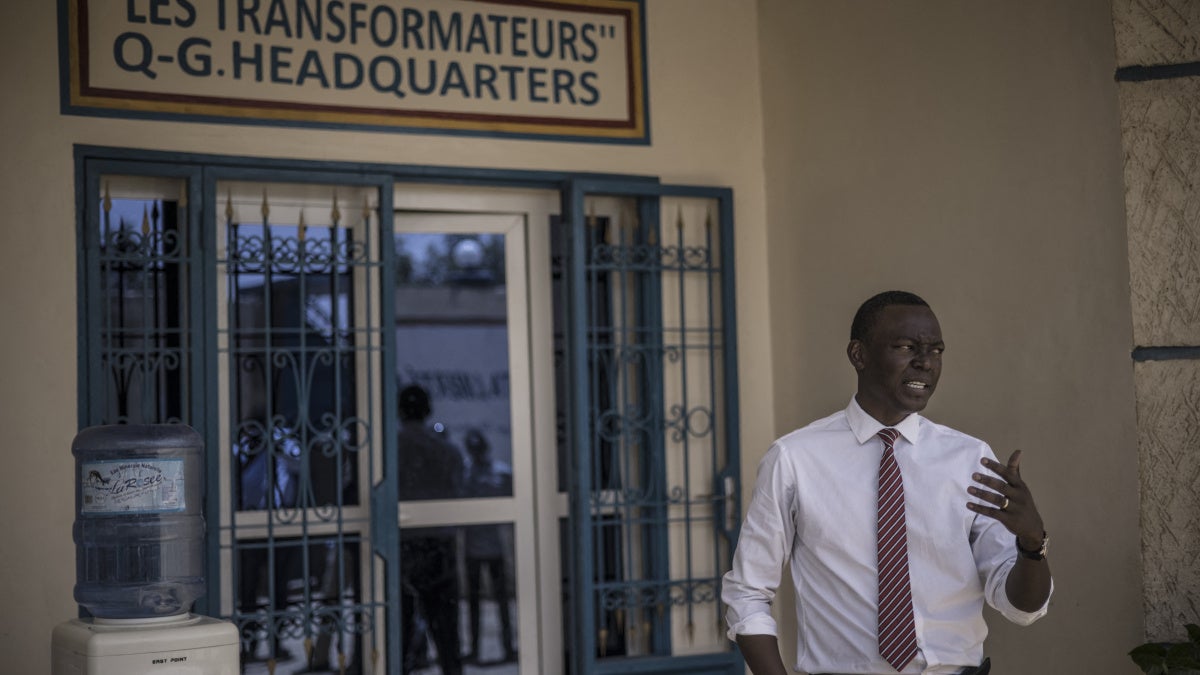
As leader of the opposition party Les Transformateurs, Masra was taken from his home in N’Djamena in the early hours of May 16, 2025. Authorities accused him of inciting hatred and rebellion through social media posts following deadly intercommunal clashes in Logone Occidental—a region where dozens perished in violence on May 14. Hours after the tragedy, Masra used his platform to mourn the victims, declaring, “No life of any Tchadian should ever be treated as insignificant.”
By August 2025, a Tchadian court had convicted Masra on charges of “disseminating hateful and xenophobic messages” and “complicity in murder,” handing down a 20-year prison sentence. The ruling came despite Masra’s plea of innocence. Dozens of co-defendants, most receiving identical 20-year terms, were tried alongside him, with additional heavy fines imposed.
Within days, Masra’s legal team filed an appeal, which remains pending as courts deliberate over the case.
Escalating political crackdowns have become a defining feature of the post-election landscape in Tchad. Before the May 2024 presidential vote—where Masra ran against then-transition leader Mahamat Idriss Déby—his movement faced systematic intimidation, arbitrary arrests, and even the assassination of a key opposition figure, with no subsequent investigations or justice. After the election, Masra publicly alleged electoral fraud.
Violence against protestors and dissenters
Security forces have repeatedly responded to dissent with disproportionate force. The brutal suppression of demonstrations in 2021 and 2022 left dozens dead and scores injured. Hundreds more were detained without cause, with reports of torture and abuse in custody. On May 8, 2026, eight opposition leaders were sentenced to eight years in prison for “rebellion” and “insurrectionary movement” after attempting to organize a banned pro-democracy rally.
As the one-year mark of Masra’s arrest approaches, all eyes are on the Tchadian Supreme Court, where his appeal awaits review.
The regional bloc Economic Community of Central African States (ECCAS)—which has so far failed to uphold democratic norms in Tchad—holds significant influence. International observers argue that ECCAS must exert pressure on Tchadian authorities to restore political freedoms and honor agreements such as the Kinshasa Accord, designed to protect opposition activities, including those of Succès Masra and his party.