The Kremlin’s diplomatic playbook is undergoing a quiet but profound transformation. As Moscow’s global allies face mounting crises—from military setbacks to internal upheavals—the Russian government’s response has shifted from fiery rhetoric to a deliberate, almost clinical muteness. Observers are left wondering: where is the once-vocal patron when its protégés falter?
The art of strategic disappearance
This pattern has become impossible to ignore. Whether it’s allies in Africa grappling with coups, Middle Eastern partners teetering on collapse, or former Soviet states facing unrest, Moscow’s first move isn’t intervention—it’s withdrawal. Gone are the days of immediate statements of solidarity or high-profile diplomatic interventions. In their place? A wall of silence so thick it borders on strategic absence.
Why silence speaks louder than words
For seasoned geopolitical analysts, this isn’t a sign of weakness—it’s a calculated move. The Kremlin’s approach follows a simple but ruthless logic: avoid tying Russia’s global standing to a sinking ship. By staying silent, Moscow maintains maximum flexibility. If an ally recovers, Russia can re-engage without fanfare. If the regime collapses, the earlier silence prevents Moscow from being dragged down with it—and opens the door to discreet talks with new power brokers.
The unspoken rebuke
But this silence isn’t just a tactic—it’s a message. While Western capitals rush to condemn or mediate, Russia’s refusal to comment often speaks volumes. When an ally crosses a red line, mismanages a crisis, or acts without Moscow’s blessing, the absence of support from the Russian foreign ministry serves as a silent rebuke. It signals to the faltering partner: you’re on your own, and any consequences are yours to bear.
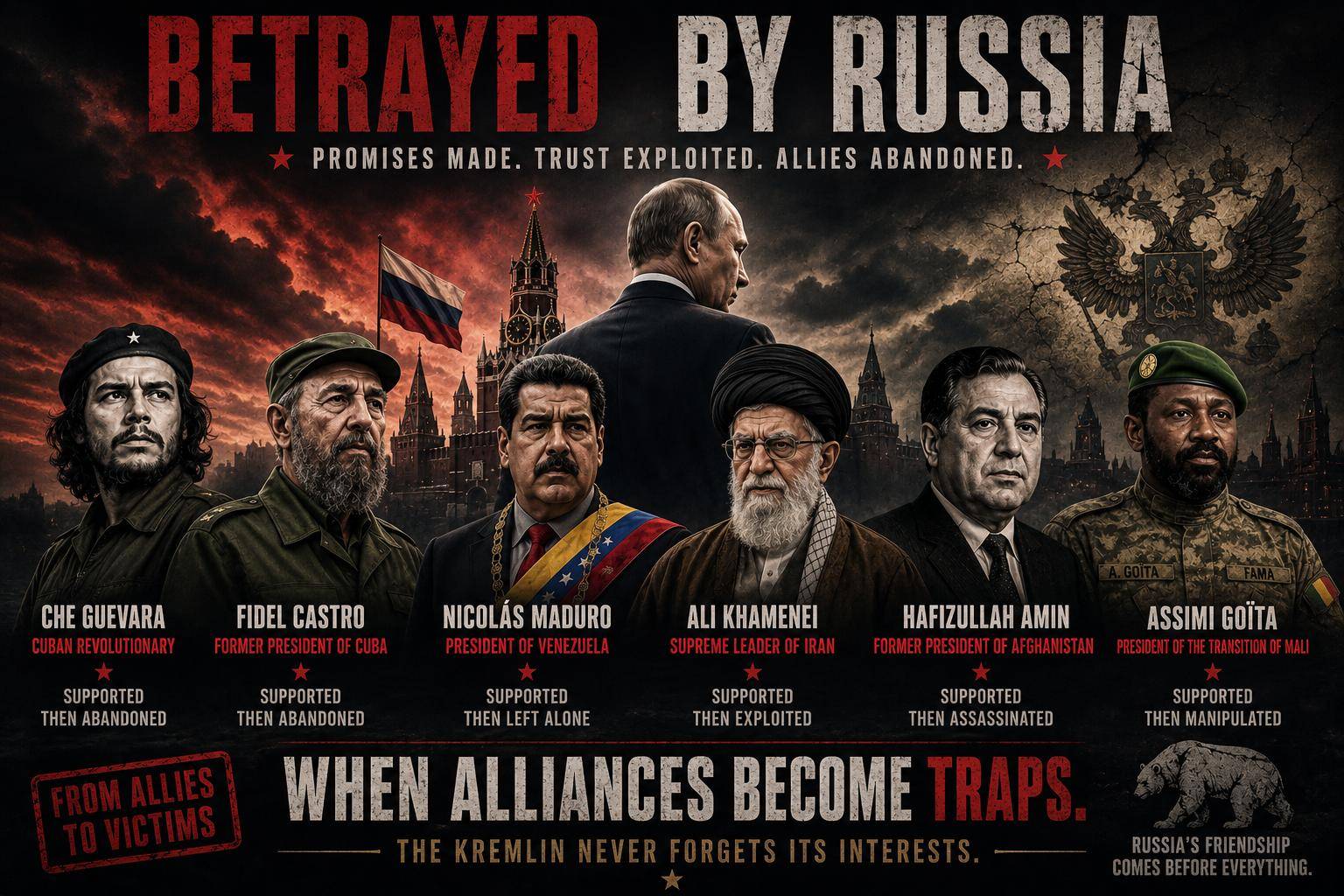
This approach reveals a harsh truth about Moscow’s alliances: they are transactional at best. Russia’s support, whether verbal or material, is reserved for scenarios where its own vital interests or strategic positions are at risk. If the crisis threatens only the local regime, the Kremlin prefers to let the ally bear the international fallout alone.
The shifting face of Russian influence
While official diplomacy retreats into silence, Moscow’s influence machine shifts gears. State-backed media and proxy networks flood the information space with narratives designed to shift blame or distract attention. The goal? Create a smokescreen that obscures the Kremlin’s detachment while fanning the flames of anti-Western sentiment. It’s a strategy of misdirection, masking the absence of real support behind a barrage of rhetoric.
The implications are clear: Russia’s alliances are conditional, its loyalty transactional. The days of unconditional backing are over. Allies may bask in Moscow’s spotlight during times of stability, but when storms gather, they learn the hard way that the Kremlin’s embrace is more a temporary convenience than a lasting commitment. In the end, Moscow’s silence isn’t just a policy—it’s a warning: in geopolitics, loyalty is a luxury few can afford.