The transitional government of Burkina Faso has taken a decisive step toward economic sovereignty by suspending the import of wheat flour, semolina, and couscous. Marketed as a bold move to strengthen the « Agropastoral Offensive » and shield local producers, this protectionist policy has sparked intense debate over its practicality and potential socio-economic repercussions.
Industrial realities collide with policy ambitions
While the push for self-sufficiency enjoys strong political backing, Burkina Faso’s industrial base remains ill-prepared to meet national demand:
- Local milling and processing units, often small-scale or artisanal, struggle to maintain consistent output and quality across the country.
- An abrupt import ban without a proper transition period threatens supply chains, particularly for bakeries and food industries reliant on flour.
Vulnerable households brace for rising costs
The social impact of this policy cannot be ignored. The promise of economic independence may quickly clash with the harsh reality of inflation:
- With insufficient local supply and competition, essential goods—especially bread and baby food—could see steep price hikes.
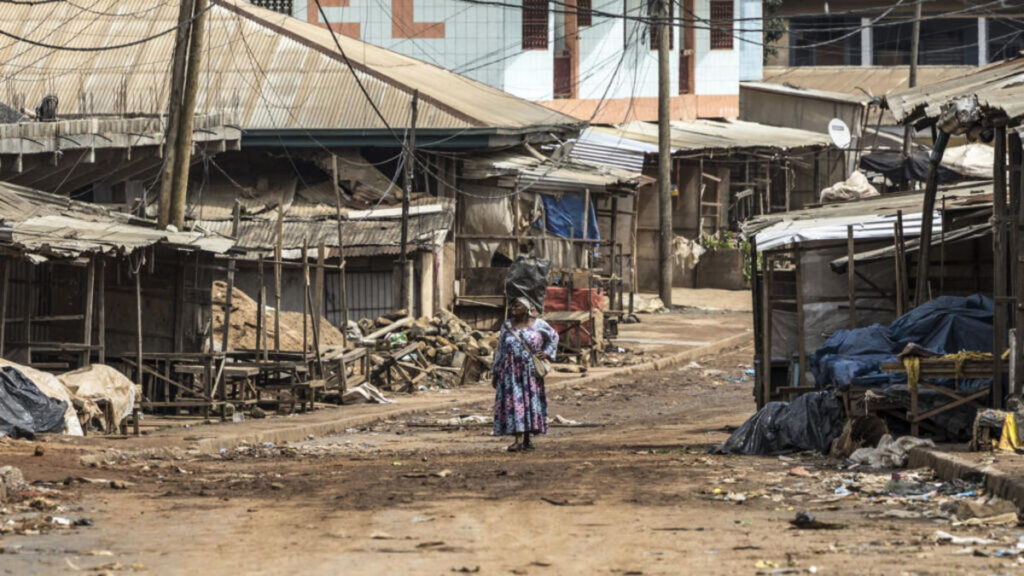
- In a nation already grappling with insecurity and mass displacement, this decision risks worsening the financial strain on low-income families.
- Historically, import restrictions on staple goods have fueled cross-border smuggling and price manipulation.
Sustainability hinges on structural support
Rather than fostering long-term growth through incentives, the government has opted for regulatory enforcement. Without substantial financial backing for modernizing mills, reducing energy costs for processors, or securing stable cultivation zones, the import suspension risks backfiring:
The noble goal of reducing dependence on foreign food supplies may, if poorly executed, turn into an additional burden for citizens. A decree alone cannot guarantee stable prices or adequate stockpiles—it may instead erode public trust in economic policies.