tensions in DRC as C64 march stirs conflict between Kabuya and Mbata
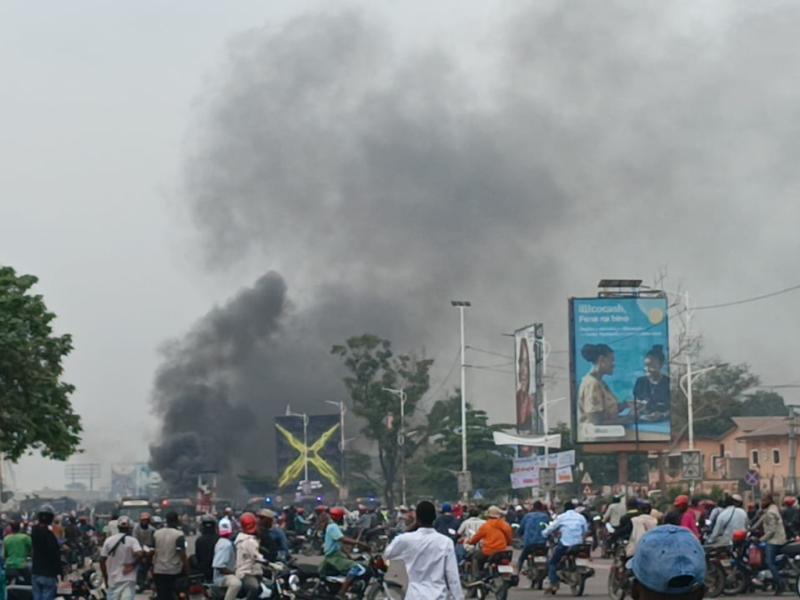
The political landscape in the Democratic Republic of the Congo (DRC) is heating up ahead of a planned march by the Coalition for Article 64, which is set to take place this Wednesday, July 22, in Kinshasa. The march, which will culminate at the Palais de la Nation, demands the resignation of President Félix Tshisekedi, accusing him of betraying his constitutional oath following the unveiling of his plan to amend the 2006 constitution.
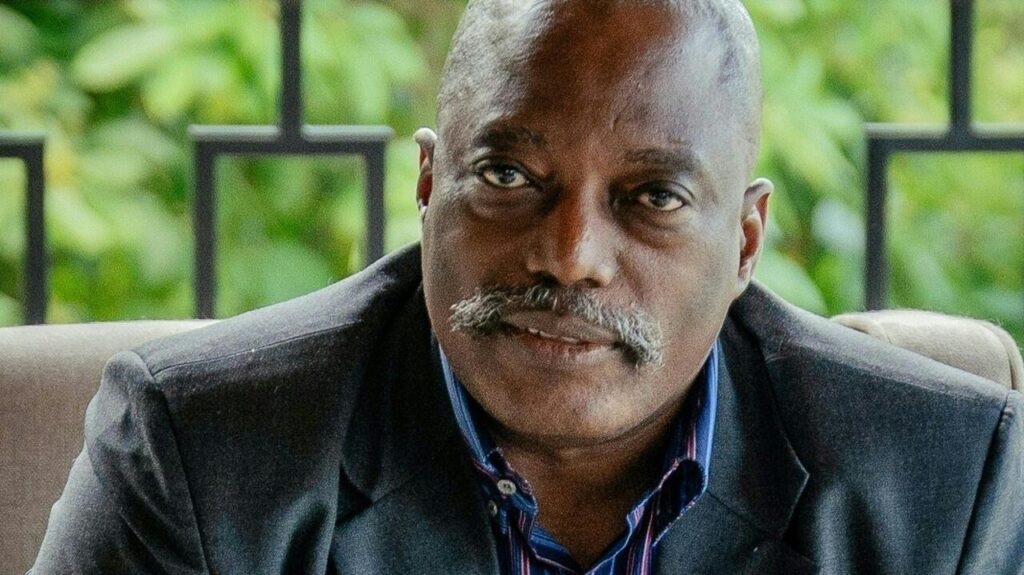
The announcement of the march has reignited a fierce rivalry between two prominent figures within the ruling coalition: Augustin Kabuya, Secretary-General of the Union for Democracy and Social Progress (UDPS), and André Mbata, Permanent Secretary of the Sacred Union of the Nation (USN), the platform supporting President Tshisekedi. Their disagreement over how to respond to the opposition’s initiative has exposed deep divisions within the ruling alliance.
Mbata pushes for a counter-march, Kabuya calls for restraint
While André Mbata, currently on an official mission in Yaoundé, Cameroon, has urged members of the USN to mobilize for a counter-march across Kinshasa, all 25 provincial capitals, and the diaspora, Kabuya has taken a firm stance against organizing any parallel demonstrations on July 22. In a terse statement issued on Tuesday, July 13, Kabuya called on UDPS members to carry on with their usual activities, explicitly warning them against participating in or even approaching routes designated for the opposition’s march.
Kabuya’s directive has not gone unchallenged. Mbata, a constitutional law professor, swiftly responded with a strongly worded rebuttal, reaffirming his call for a counter-march. He emphasized that the USN, which comprises over 900 political parties, associations, and groupings, cannot be reduced to the stance of a single component. Mbata criticized Kabuya’s statement as politically incorrect and premature, stressing that any declaration made by a representative of a USN member entity only binds that individual, not the entire coalition.
Rivalry rooted in past disputes
The tension between Kabuya and Mbata is not new. Their conflict traces back to the 2024 gubernatorial elections in Sankuru Province, where Mbata openly opposed the candidate backed by Kabuya. Instead, Mbata supported Jules Lodi Emongo, who ultimately won the election. This rift further intensified when Kabuya publicly instructed UDPS members to withhold their contributions from Mbata, asserting that he alone was authorized to collect them. This episode underscores the growing internal fractures within the Union Sacrée, the ruling coalition, as the 2028 elections loom closer and President Tshisekedi approaches the end of his second and final term.
The escalating feud between these two key figures within the ruling coalition has raised concerns about the stability and unity of the USN. With the opposition’s march looming, the internal discord threatens to weaken the ruling camp’s ability to present a united front against the challenges posed by the C64 coalition and its demands.